

Ciao splendida Sole !
Abbiamo visionato il sito e l abbiamo trovato fatto molto bene e interessante, riteniamo che sia di facile comprensione e con tutte le...
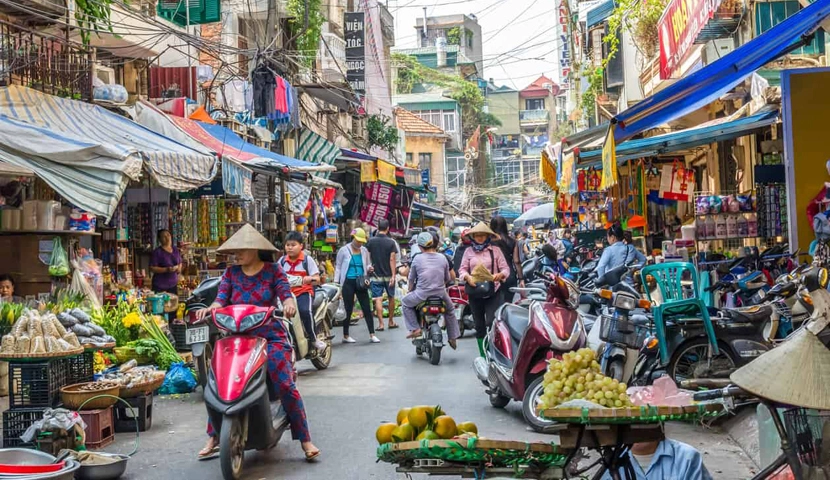
Vietnam is known for its diverse culture and friendly, smiling, cheerful people. Divided into three distinct regions, this long country is a gold mine of stories and traditions. If you are visiting Vietnam for the first time, a basic understanding of local customs can help you interact with the people you meet in a friendly and positive way. Here are eight useful tips to get you started.
1. Practice the art of “saving face” – Giữ thể diện
2. Be mindful when visiting temples or private homes
3. Ask before taking photographs
4. Dress like the Vietnamese
5. Learn the correct greetings
The idea of “saving face” has long been an important part of life in Vietnam. Most Vietnamese people will avoid behavior in public that could compromise their reputation. As a general rule, people remain calm and avoid loud arguments, scenes, reprimanding others for mistakes, or comments that could embarrass the local population.
TIP: Vietnamese people do not like public displays of affection, and men and women often avoid touching each other in front of other people. Try to respect local customs by minimizing public displays of affection.
When entering someone's home, take off your shoes outside the door. Vietnamese families have altars in their shops and homes, including some small ones on the floor: do not step over these floor altars or walk directly in front of them.
When visiting temples, wear modest clothing and always remove your shoes and hat. You may carry your shoes with you, but do not wear them in front of the altar.
TIP: When visiting a family home, bring a gift such as a box of cookies or a cake, fruit, flowers, or soft drinks; never bring anything black. Greet the older members of the family first, shake their right hand, and smile at everyone!
In Vietnam, there are countless opportunities to take beautiful photos, and most people don't mind having their picture taken, but it's important to respect their privacy and always ask permission before raising your camera. Asking for permission shows the same respect you would want for yourself and can be a unique and fascinating opportunity to learn a little about someone's life.
In Vietnamese cities, modern fashion is appreciated and many young people wear contemporary clothing. Outside urban centers, most Vietnamese people are quite traditional and modest. Visible underwear, transparent fabrics, and skimpy clothing will not endear you to the local people.
By observing the locals where you are staying, you can get an idea of what is acceptable in terms of clothing and coverage. Keep in mind that men should not go shirtless in public and that swimwear is only allowed at the beach or resort. You can show respect for Vietnamese customs by wearing clothing that does not offend the local population.
In Vietnam, people rarely use the expression “excuse me.” Instead, they say “hey you!”, but use different variations of “you” to indicate respect.
Use the following variations depending on who you are talking to:
For a man or woman younger than you - Em ơi. Em means “younger brother/sister.”
For a woman who is a little older than you - Chị ơi. Chị means “older sister.”
For a man who is a little older than you - Anh ơi. Anh means “older brother.”
For a woman old enough to be your aunt - Cô ơi.
For a man old enough to be your uncle - Chú ơi.
For a woman old enough to be your grandmother - Bà ơi.
For a man old enough to be your grandfather - Ông ơi.
All this can get a little complicated, so if in doubt, just say “bạn ơi!”, which simply means “hello, friend!”.