Ciao splendida Sole !
Abbiamo visionato il sito e l abbiamo trovato fatto molto bene e interessante, riteniamo che sia di facile comprensione e con tutte le...
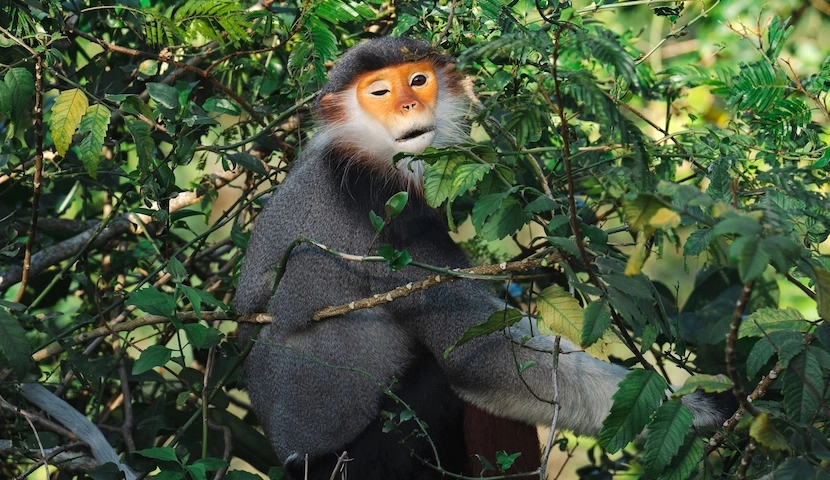
Vietnam is home to 12 UNESCO-recognized biosphere reserves, ranging from mangrove forests and coastal wetlands to limestone karst landscapes, tropical forests, and marine ecosystems. Together, they form a national network of outstanding natural and cultural value: they protect rare species and fragile habitats, support the livelihoods of local communities, and preserve rich indigenous knowledge and traditional crafts. This overview presents these 12 biosphere reserves, highlighting their ecosystems and biodiversity, their local communities, and the close relationship between conservation and sustainable development.
Recognized Biosphere Reserves in Vietnam
1. Can Gio Biosphere Reserve
2. Dong Nai Biosphere Reserve
3. Cat Ba Archipelago Biosphere Reserve
4. Red River Delta Biosphere Reserve
5. Kien Giang Biosphere Reserve
6. Western Nghe An Biosphere Reserve
7. Cu Lao Cham - Hoi An Biosphere Reserve
8. Mui Ca Mau Biosphere Reserve
9. Lang Biang Biosphere Reserve
10. Kon Ha Nung Plateau Biosphere Reserve
11. Nui Chua Biosphere Reserve
12. Phong Nha - Ke Bang Biosphere Reserve
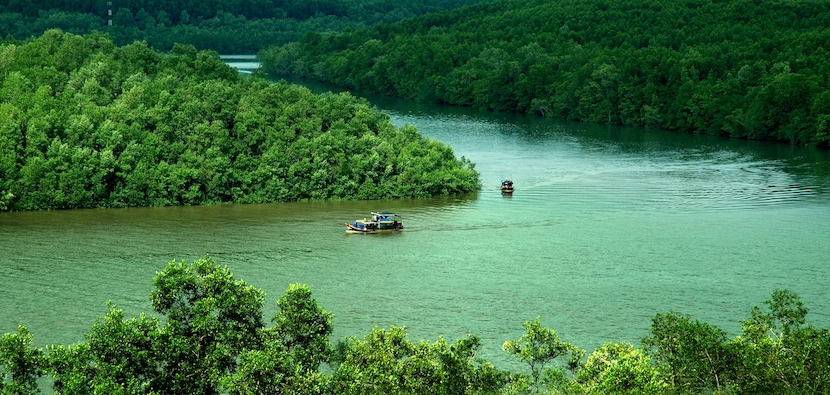
Recognized by UNESCO in 2000, the Can Gio Mangrove Forest is Vietnam’s first world biosphere reserve, spanning more than 75,000 ha. The mangrove ecosystem here is regarded as the “green lung” of Ho Chi Minh City. Once nearly wiped out during the war, Can Gio has revived strongly thanks to persistent forest restoration efforts and the joint efforts of the local community. To date, the mangrove forest area has reached about 35,000 ha, becoming a shared home for nearly 400 animal species, hundreds of plant species, and many fish and migratory bird species. The Kinh, Khmer, and Hoa communities here are engaged in aquaculture, salt production, and ecotourism - livelihoods that both help protect nature and promote local economic development.
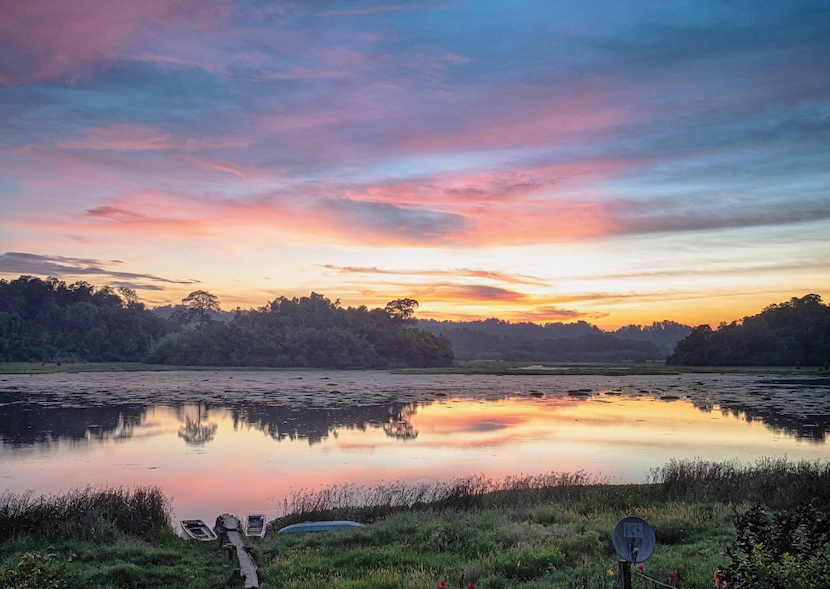
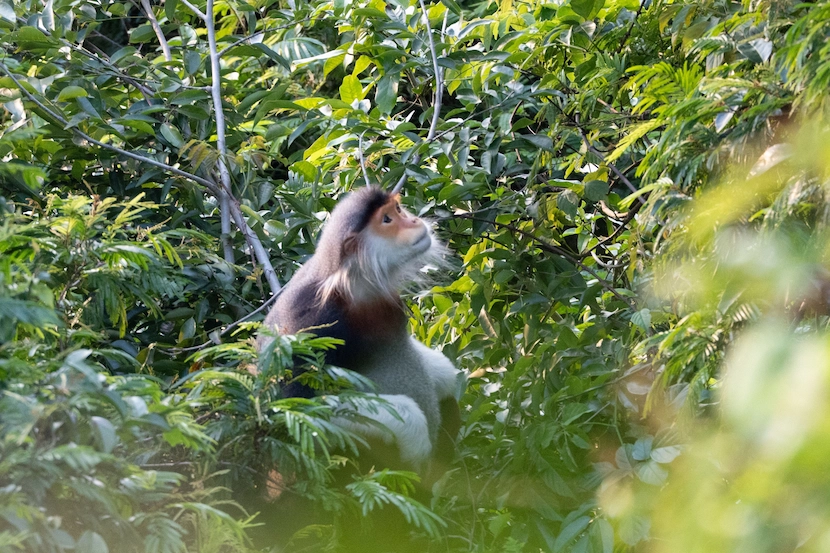
Dong Nai Biosphere Reserve, formerly Cat Tien Biosphere Reserve, was recognized by UNESCO in 2001 and expanded in 2011, with a total area of more than 756,000 ha. At the core of the reserve lies Cat Tien National Park, which preserves habitats formore than 2,800 wild animal species and 2,300 plant species, including rare and threatened species such as the Asian elephant, black-shanked douc langur, and Siamese crocodile. This is also home to 13 ethnic groups, whose livelihoods are tied to agriculture, fishing, and ecotourism. The lives of the communities here are closely linked to one of the remaining areas of natural moist tropical forest in southern Vietnam.
Inscribed by UNESCO in 2004, the Cat Ba Archipelago is where forest, sea, and limestone mountains blend into a diverse ecosystem. Spanning more than 26,000 ha and comprising 366 large and small islands, Cat Ba is striking for its majestic limestone karst landscape, where cliffs, caves, and erosion traces preserve millions of years of geological history. The archipelago has recorded more than 4,000 animal and plant species, including the Cat Ba langur - one of the world’s 25 most endangered primate species. Thanks to conservation efforts involving the local community, the langur population is gradually recovering. In 2023, the Cat Ba Archipelago, together with Ha Long Bay, was inscribed by UNESCO as the Ha Long Bay – Cat Ba Archipelago World Natural Heritage Site, honoring the outstanding natural values of Vietnam’s northeastern coastal and island region.
In 2004, UNESCO inscribed the Red River Delta as a biosphere reserve - Vietnam’s first interprovincial biosphere reserve. With more than 105,000 ha across Ninh Binh and Hung Yen provinces, the site is a coastal wetland that plays an important role: its tidal flats, mangroves, and estuaries form stopover sites for migratory birds on the East Asian–Australasian Flyway. Every autumn, this wetland welcomes large flocks of migratory waterbirds, including the black-faced spoonbill - a rare species listed as Near Threatened on the IUCN Red List. Local people’s lives are tied to the tides and to traditional trades such as salt production, sedge mat weaving, fish sauce production, and ecotourism.
In 2006, UNESCO inscribed Kien Giang as a biosphere reserve, making it Vietnam’s second-largest biosphere reserve. With more than 1.18 million ha, the reserve stretches from the U Minh Thuong melaleuca forest to Phu Quoc Island and includes diverse ecosystems: inland wetland forests, coastal mangroves, and offshore seagrass beds and coral reefs. In the Phu My wetland, Lepironia grasslands serve as important feeding and resting habitats for red-crowned cranes during the non-breeding season. The livelihoods of the Kinh, Khmer, and Hoa communities here are tied to fishing, aquaculture, fish sauce production, and ecotourism.
Western Nghe An Biosphere Reserve is Vietnam’s largest terrestrial biosphere reserve, covering nearly 1.3 million ha along the Truong Son Range and bordering Laos; UNESCO inscribed it in 2007. The reserve has recorded more than 3,600 plant species and nearly 1,500 animal species. It is an important habitat for many rare species, including the saola - a mysterious mammal known as the “Asian unicorn” - and the red-shanked douc langur. Ethnic communities such as the Thai, H’Mong, Dan Lai, and O Du have been attached to this land for generations. From agriculture and fishing to weaving and handicrafts, their lives preserve much indigenous knowledge, rituals, and customs closely linked to the forest.
Located in the lower Thu Bon River basin, Cu Lao Cham – Hoi An is where forest, river, sea, and cultural heritage blend in a vibrant space. Recognized by UNESCO in 2009, this biosphere reserve includes Hoi An Ancient Town - a UNESCO World Cultural Heritage Site inscribed in 1999 - creating a rare landscape with two UNESCO titles. With an area of more than 33,000 ha, it has interconnected ecosystems ranging from island forests to offshore coral reefs, providing habitat formore than 1,600 marine species, including sea turtles, giant clams, and humphead wrasse. Cu Lao Cham – Hoi An also clearly demonstrates the role of the community in environmental protection and cultural preservation, from the “Say no to plastic bags” movement to ecotourism and traditional crafts in Kim Bong and Thanh Ha.
Located at the southernmost tip of the country, where the Mekong Delta meets the sea, Mui Ca Mau was inscribed by UNESCO in 2009 and covers more than 371,000 ha. This land is constantly changing under the effects of sediment accretion and coastal erosion, forming distinctive ecosystems where mangroves transition into seasonally flooded melaleuca forests. It is an important stopover for many migratory bird species, with 208 bird species recorded, including 56 migratory species. Local people, mainly Kinh, Khmer, and Hoa, are closely tied to the forest and waterways through shrimp farming under the forest canopy, shrimp–rice farming, honey harvesting, and ecotourism.
Lang Biang is a biosphere reserve inscribed by UNESCO in 2015, spanning more than 275,000 ha on the Lam Dong Plateau. Here, pine forests, humid evergreen forests, and tropical ecosystems interweave, creating one of Vietnam’s most biodiverse areas. The core area of Bidoup – Nui Ba National Park provides habitat formore than 2,000 vascular plant species, more than 300 orchid species, and many rare animal species. In addition to its natural values, Lang Biang is also a vibrant cultural space of the K’Ho people. Gong music, brocade weaving, and indigenous knowledge have been passed down through generations, reflecting the long-standing bond between people and the mountains and forests.
Located at the intersection of the Pleiku Plateau and the Kon Ha Nung Plateau in the Truong Son Range, the Kon Ha Nung Biosphere Reserve was inscribed by UNESCO in 2021 and covers more than 413,000 ha. The relatively intact natural forests here create one of the Central Highlands’ most important habitats. The fauna is rich, with more than 300 bird species and about 90 mammal species, notably the gray-shanked douc langur - an endemic primate of Vietnam classified as Critically Endangered, with a wild population estimated at only about 1,000 individuals. The Ba Na, Jrai, and other ethnic groups still maintain a close relationship with the forest through brocade weaving, bamboo and rattan weaving, integrated agriculture–forestry farming, and cultural tourism.
Located on the South Central Coast - Vietnam’s driest region - Nui Chua was inscribed by UNESCO in 2021 and is a prime example of a tropical dry forest ecosystem, a habitat type rarely found in Southeast Asia. With an area of more than 106,000 ha, it is where dry forest, coral reefs, and seagrass beds meet, creating one of the most distinctive landscapes. Nui Chua’s beaches serve as important breeding sites for sea turtles, with species recorded in the area such as the green turtle, hawksbill turtle, and olive ridley turtle. The Raglai, Cham, and Kinh people here live on brocade weaving, pottery making, honey gathering, and ecotourism, working together to protect the forest and the sea.
Bordered by the northern Truong Son Range and adjacent to Hin Nam No National Park (Laos), Phong Nha – Ke Bang was inscribed by UNESCO as Vietnam’s 12th world biosphere reserve in 2026, with a total area of more than 515,000 ha. This land has ancient limestone karst landscapes formed about 400 million years ago, including Son Doong Cave - the largest natural cave in the world. It is a shared home for nearly 3,000 vascular plant species and about 1,400 animal species, including rare primates such as the Siki gibbon, red-shanked douc langur, and Ha Tinh langur. The Kinh, Bru – Van Kieu, and Chut communities are closely tied to the forest, preserving a treasure of indigenous knowledge and unique cultural practices, notably the Ma Coong drum-beating festival and the Bru – Van Kieu rice-sowing festival.
The 12 biosphere reserves show that nature conservation and local development can go hand in hand. Their value lies not only in biodiversity and rare species, but also in the communities that live in and around forests, wetlands, and coastal areas and that help protect them through ecotourism, traditional crafts, and indigenous knowledge. To ensure their long-term sustainability, it is essential to strengthen community participation, promote sustainable tourism and environmental education, and reconcile conservation with the livelihoods of local people.
Related articles: