
Ciao splendida Sole !
Abbiamo visionato il sito e l abbiamo trovato fatto molto bene e interessante, riteniamo che sia di facile comprensione e con tutte le...
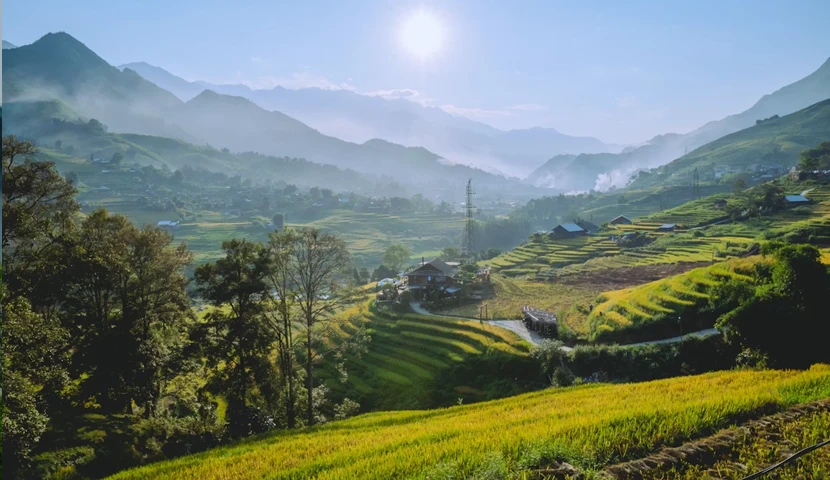
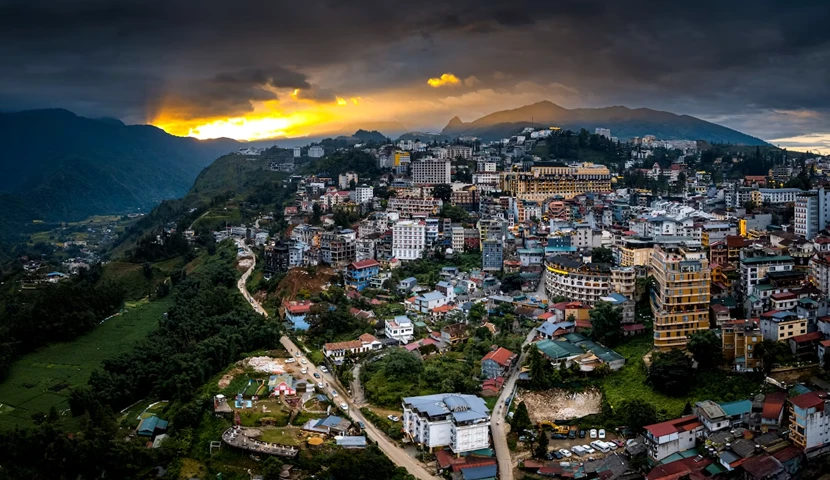
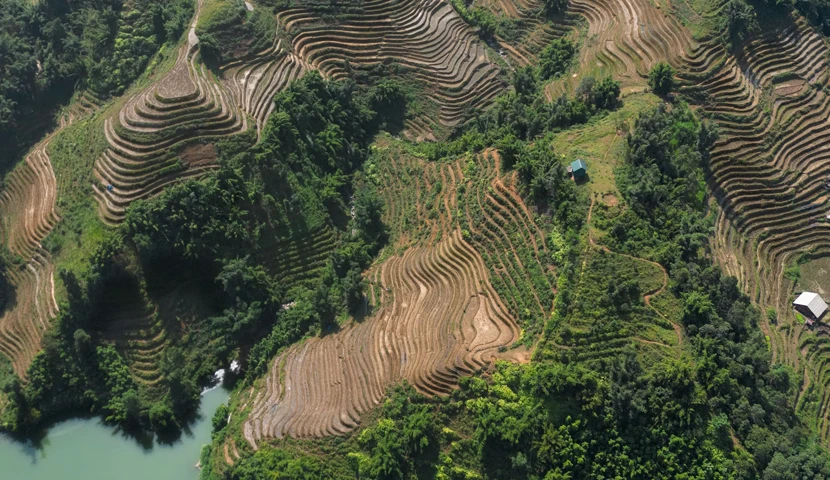
Sapa is a high town in Lao Cai Province, located 1,500 - 1,600m above sea level. People call Sapa a “town in the clouds” because it’s covered with clouds and mist year-round, with an average temperature of about 15 - 18°C. In winter, it can drop to 0°C and have snow. Originally, a French hill station was built in 1903; Sapa is now the most famous destination in the North of Vietnam. It is the home to Fansipan 3,143m - the “Roof of Indochina,” terraced rice fields in Mu Cang Chai and Y Ty, which are among the most gorgeous in Vietnam, and villages of H’Mong, Red Dao, and Tay people living in the mountains. You should come to Sapa to hunt clouds, trek, wear ethnic brocade, and see how majestic Vietnam is. Sapa is cold, but the people are amazingly warm.
1. History of Sapa
2. Geographical location of Sapa
3. Places to visit in Sapa - Mountains and landmarks
4. Places to visit in Sapa - Passes, waterfalls and scenic spots
5. Places to visit in Sapa - Nature and Spiritual Sites
6. Local specialties in Sapa
7. Culture and people of Sapa
8. How to travel to Sapa
The name “Sa Pa” originally comes from the H’Mong “Sa Pả,” meaning “sandbank.” It was once a marketplace for H’Mong and Dao people. In 1903, the French looked more into the area to build a resort for soldiers due to its European-like weather. In 1905, the French built the first “Sapa Meteorological Station” and became the first villa. By the 1940s, Sapa had 200 colonial villas and was called the “Summer Capital of Tonkin.”
From 1947 to 1954, war destroyed Sapa and it was abandoned. After 1960, Kinh people came to build farms, grow chayote and vegetables. Sapa tourism exploded from 1993 when the Hanoi - Lao Cai train reopened. In 2003, the Fansipan cable car opened, making Sapa a must-visit destination in Northern Vietnam. In 2014, Sapa’s rice fields were ranked among the 11 most beautiful in the world. Despite rapid urbanization, Sapa still keeps the heart and soul of a misty town.
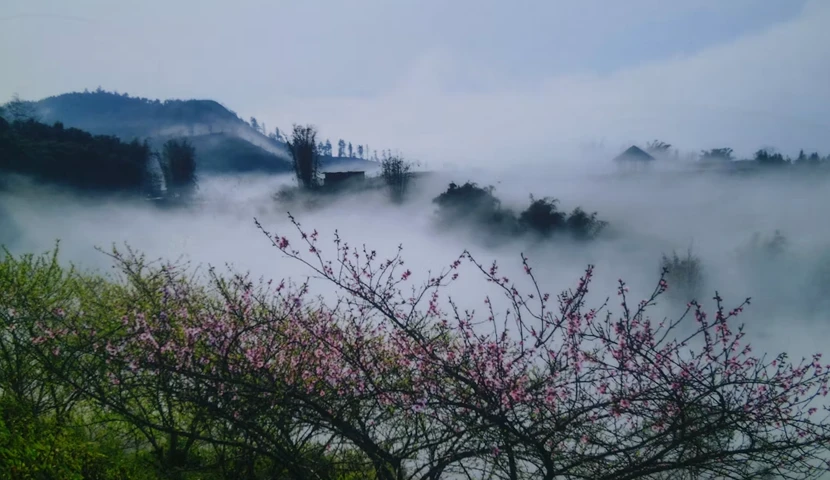
Sapa is in the northwest of Vietnam. It borders: Lao Cai City to the east, Lai Chau Province to the west and south, China’s Yunnan Province to the north, with the border about 38 km away.
The geography here is pretty dramatic. Most of the area is covered by the Hoang Lien Son range, often called the “Tonkinese Alps.” The Muong Hoa Valley goes through the center, with the Muong Hoa River flowing nicely between rice fields. This mix of high peaks, deep valleys, and nice weather made Sapa an ideal hill station during the French colonial period, and it remains a well-liked retreat to this day.
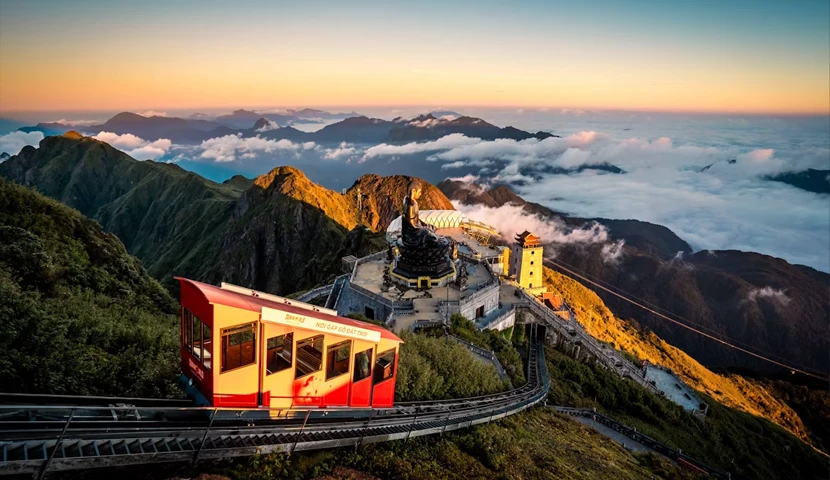
Sapa is famous for its mix of natural wonders and cultural sites. These are the highlights you shouldn’t miss.
Fansipan - The Roof of Indochina.
At 3,143 meters, Fansipan is the highest peak in every nation, including Vietnam, Laos, and Cambodia. You can use the Sun World cable car from Sapa Town, which is only 6 km in 15 minutes through clouds to the summit complex. Up top, you will find the Great Buddha Statue, a bronze pagoda, and a flagpole at the peak. For tourism, the two-day trekking route through Hoang Lien National Park is one of the most rewarding ways to reach the top.
Muong Hoa Valley - Ta Van - Lao Chai - Y Linh Ho.
This is one of the most beautiful trekking roads in Sapa. The valley is covered in rice fields which is one of the most spectacular in Asia. Walking from Lao Chai to Ta Van Village, crossing the Muong Hoa River on a suspension bridge, and staying in a traditional wooden stilt house with a Giay or H’Mong family are some of the experiences of a lifetime. In September and early October, the whole valley turns golden during this harvest season.
Cat Cat Village.
Located just 2 km from the central town, Cat Cat is the oldest H’Mong village in Sapa. A stone path leads through the valley past water wheels, a waterfall, and traditional houses. You can rent ethnic clothing for photography, watch brocade weaving, and learn how the H’Mong make indigo dye. It is one of the lifetime experiences worth trying.
Ham Rong Mountain.
Right behind the stone church, Ham Rong has a nice view of the mountain with gardens, orchid houses, and viewpoints. The Cloud Yard at the top gives you a full view of Sapa Town and the Muong Hoa Valley just below.
O Quy Ho Pass
It is one of the “four great mountain passes” of Vietnam, O Quy Ho connects Lao Cai and Lai Chau. The Heaven’s Gate viewpoint sits at 2,000m and looks out over endless layers of mountains. You should come at sunset for the best light, or in the morning when the valley is filled with clouds. The nearby Lone Tree has become an iconic photoshoot spot.
Silver Waterfall and Love Waterfall
Silver Waterfall drops 200 meters down the side of Hoang Lien Mountain, which is about 12 km from town. Love Waterfall is quieter and requires a 1.5 km walk through a bamboo forest to get there. Local legend says fairies used to bathe there, and one fairy has fallen in love with a boy from the village.
Cloud Bridge - Cau May
An old bridge over the Muong Hoa River is in Ta Van. It is not used anymore, but the view of the valley from there is absolutely stunning, especially in the early morning mist.
Glass Bridge Rong May
It is located 17 km from Sapa toward Lai Chau. This glass-bottomed bridge reaches out over a 300-meter cliff. If you are not scared of heights, you can also try the alpine coaster or mountain swing.
Hoang Lien National Park
It is a biodiversity hotspot with over 2,000 plant species and rare animals like the black gibbon. Trekking routes consist of half-day to multi-day hikes, including the trail to Fansipan. The forest is full of blooming rhododendrons in March and April.
Stone Church of Sapa
The church is the symbol of Sapa Town which was built by the French in 1935. The young H’Mong and Dao people sing and dance in the love market every Saturday.
Ta Phin Village
Ta Phin, which is home to the Red Dao people, is famous for herbal baths made from forest leaves. After a long day of trekking, soaking in a wooden barrel of hot herbal water is the best recovery. The village also has an old French monastery and Ta Phin Cave for visitors to explore.
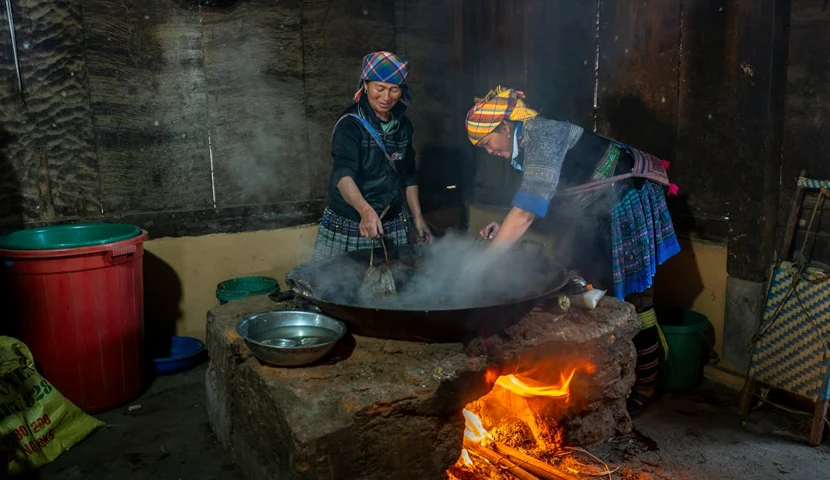
Sapa cuisine is all about grilled food and natural specialties, known for fresh ingredients from the mountains.
Sturgeon & Salmon Hotpot - Lẩu cá tầm, cá hồi
Natural fish in Thac Bac and O Quy Ho are firm and sweet. Sour-spicy hotpot 500–600k/pot for a family of 4 people. Salmon sashimi around 250k/plate, served with wasabi.
Thang Co - Thắng cố
A traditional H’Mong dish cooked from horse or beef offal with cardamom and cinnamon. Eaten with mustard greens for men. Only truly authentic at the Bac Ha market.
Carried underarm pork - Lợn cắp nách
Small 10kg free-range pigs, aromatic and clean. Grilled over charcoal, roasted, or steamed - all absolutely delicious. Dip in cham cheo. 250k/kg.
H’Mong black chicken - Gà đen H’Mông
Distinctive with black skin and bones, firm with nutritious meat. Grilled with honey for crispy skin or stewed with Chinese herbs. Only 300k/chicken.
Sapa grilled food - Đồ nướng Sa Pa
Street stalls by the lake serve com lam, grilled eggs, corn, potatoes, meat skewers, and wrapped greens. Only 10 - 20k/skewer, perfect for dinner with friends.
Khau Nhục and Smoked Buffalo - Khâu nhục and thịt trâu gác bếp
Great gifts to bring home. Smoked buffalo around 900k/kg, shredded and dipped in cham cheo with beer. Khau nhuc is tender, fatty pork belly served with sticky rice.
Temperate Vegetables - Rau ôn đới
Mustard greens, chayote, chayote shoots stir-fried with garlic, wild bamboo shoots fresh by season. Clean vegetables grow at high altitude, naturally crisp and sweet.
Roasted Chestnuts - Hạt dẻ nướng Trùng Khánh
Trung Khanh chestnuts roasted with butter are fragrant and easy to peel. 60k/kg, sold widely at the Sapa night market. Perfect as a gift.
Apple Meo Wine, San Lung Wine - Rượu táo mèo, Rượu San Lùng
Wine infused with wild apple meo fruit or distilled with leaf yeast. About 40% alcohol warms you up. Buy authentic bottles in Ta Phin village.
Breakfast: Con sui - Cốn sủi Lao Cai-style “dry pho” with thick sauce, Bac Ha sour pho - Phở chua Bắc Hà 40k/bowl.
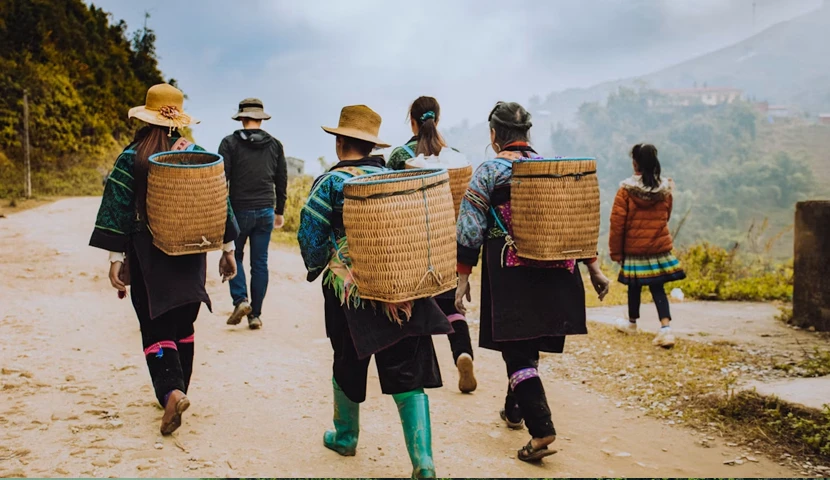
Sapa is home to 6 ethnic groups which are H’Mong, Red Dao, Tay, Giay, Xa Pho, and Kinh. H’Mong is known for colorful dresses, head scarves, and silver necklaces. Red Dao women shave their heads, wear red scarves, and are experts in herbal baths, especially the famous Dao do leaves.
Cultural Highlights:
Highland Markets
Bac Ha Market on Sundays is the largest in the highlands - people say, “go to the market to know how unfortunate you are.” Can Cau Market on Saturdays specializes in buffalo trading. It’s where H’Mong young people meet partners and sell brocade.
Sapa Love Marke
Held Saturday nights in front of the church, H’Mong and Dao boys and girls play leaf trumpets and sing courtship songs.
Festivals
Gau Tao of the H’Mong in January is for blessings and children. The Xa Pho people have the Village Sweeping Ceremony to push away evil. Dao people hold the Maturity Ceremony marking a man into adulthood.

Brocade Craft
H’Mong women hand-embroider and indigo-dye to make scarves, bags, and dresses. Each pattern tells a story of the people.
Red Dao Herbal Bath
With a wooden barrel, soak in water boiled from 10+ forest herbs. Helps with bone pain, detox, and recovery. Only in Ta Phin is the traditional recipe followed.
Sapa people are honest, hospitable, and tourism-savvy. For trekking, hire a local H’Mong guide to hear village stories.
Sapa is 315km away from Hanoi, about a 5–6 hour drive.
From Hanoi to Sapa
Cabin/Limousine bus is the most popular. Double cabin sleeper, 9-seat limousine. Operators like Sao Viet, Inter Bus, Ha Son Hai Van run night buses at 10 - 11 pm which arrive around 4 am. Via Noi Bai - Lao Cai Expressway in 5 hours.
Train: Take SP1/SP3 Hanoi – Lao Cai 8 hours. From Lao Cai Station, take a bus or taxi 38km to Sapa in 1 hour, 50k/person. Scenic but slower.
Motorbike/Car self-drive: About 5 hours drive via expressway. O Quy Ho Pass is beautiful but has sharp turns and thick fog. You should only drive if you are very confident on mountain roads.
From Noi Bai Airport
Limousine buses go straight to Sapa for 400k/person, convenient for late flights.
Related articles: