
Ciao splendida Sole !
Abbiamo visionato il sito e l abbiamo trovato fatto molto bene e interessante, riteniamo che sia di facile comprensione e con tutte le...
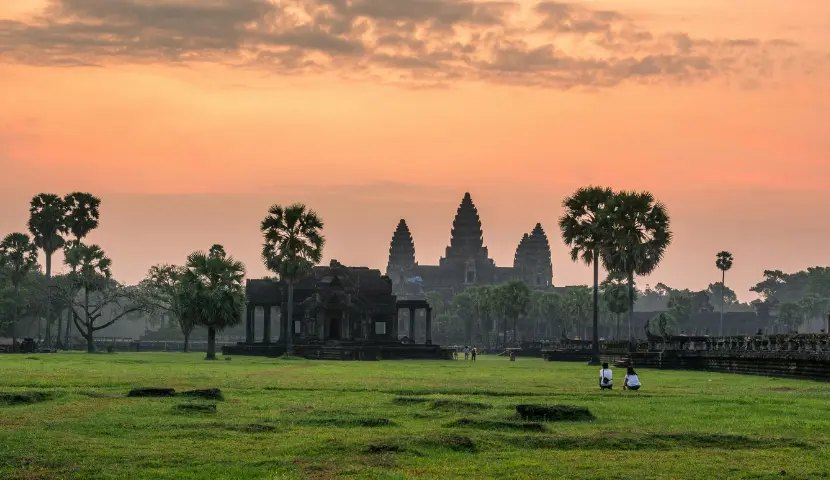
Cambodia has long been considered one of the most captivating cultural paradises in Southeast Asia and is home to one of the most magnificent wonders of the world Angkor Wat. Beyond the image of ancient temples lost in the jungle, Cambodia boasts pristine islands with crystal clear water and fine white sand, lush jungles, mighty rivers, and glorious sunny days. Beyond its stunning ancient scenery, Cambodia attracts tourists with its rare balance between a glorious, thousand year old heritage and a relaxed, friendly, and deeply spiritual pace of life, rich cuisine, and a host of exciting experiences, and that is what makes the question when is the best time to visit Cambodia more intriguing than ever, because the country takes on a completely different appearance in each season.
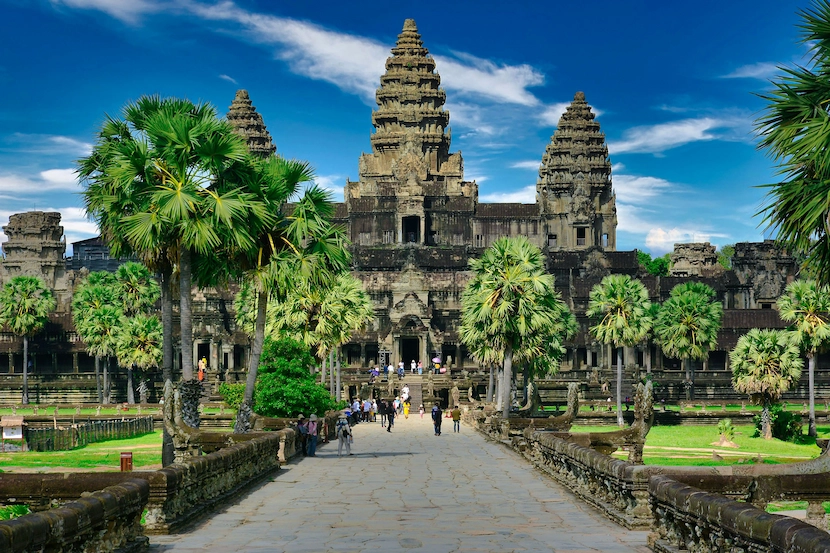
If you visit in the cool dry season, you will see Angkor Wat glowing golden under a clear blue sky. If you visit in the green season, you will see the moats full of water, the jungle vibrant, and Tonle Sap Lake overflowing with life. Each choice offers a completely different Cambodia.
Best time to visit and travel Cambodia
1. Where Exactly Is Cambodia?
2. When Is the Best Season to Travel to Cambodia?
2.1 From November to February: Cool Dry Season - The Best Time Overall
2.2 From March to May: Hot Season - The Best Time for Islands and Fewer Crowds at Temples
2.3 From to October: Green Season - Rainy Season and Beautiful Time for Photographers
3. Useful Tips for a Smooth Trip to Cambodia
4. Top Places to Visit in Cambodia
4.1 Top Places You Must Visit
4.2 Recommended 3D2N Itinerary for Siem Reap & Angkor - Popular plan
4.3 Recommended 5D4N Itinerary for Cambodia - Grand Tour
5. Conclusion
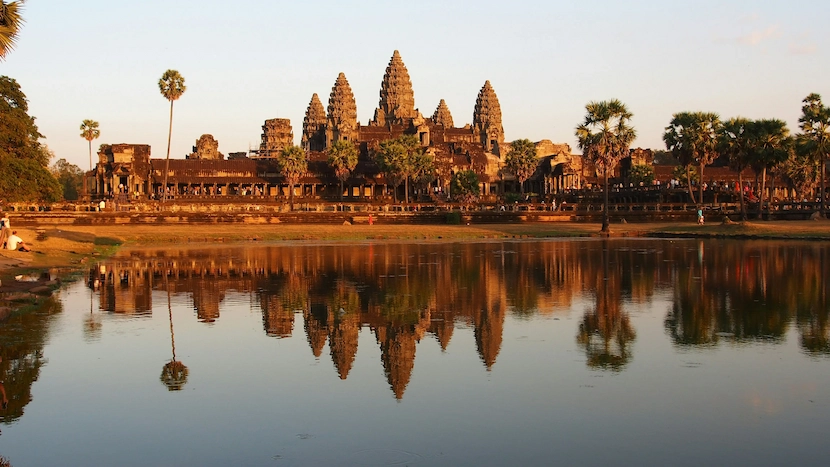
Cambodia is a compact yet diverse country in the heart of mainland Southeast Asia, bordering Vietnam to the east, Thailand to the west and northwest, Laos to the north, and the Gulf of Thailand to the southwest. Thanks to its unique geographical location in the lower Mekong basin, much of the country is low lying plains centered around the mighty Mekong River and the extraordinary Tonle Sap Lake, which changes its flow direction twice a year.
This geography creates two very distinct faces of Cambodia whereas the north and west are home to ancient forests and the world famous Angkor Archaeological Park, while the south offers a long coastline with idyllic islands like Koh Rong and Koh Rong Samloem. The country has a classic tropical monsoon climate with only two main seasons which are dry and wet with temperatures fluctuating around 27-35°C all year around and rarely experiencing extreme cold.
It is located just a short flight from Vietnam, Thailand, and Singapore, Cambodia which is extremely convenient for travel. Getting to Cambodia is very simple. Tourists can choose their preferred mode of transportation, such as airplane, bus, or even boat from Vietnam via the Mekong Delta. Siem Reap–Angkor International Airport (SAI) is the main gateway for visitors travelling to Angkor. Phnom Penh International Airport is ideal for culture and history. Sihanoukville Airport is perfect for beach lovers. Each mode of transportation offers a different experience. Flying is faster, taking a bus through the Bavet Moc Bai border gives you a glimpse of local life, and traveling by boat along the Mekong is an unforgettable journey in itself.
Cambodia has two main seasons: the dry season and the wet season. For travelers, the year can be further divided into three practical periods: the cooler dry season, the hotter dry season, and the green season.
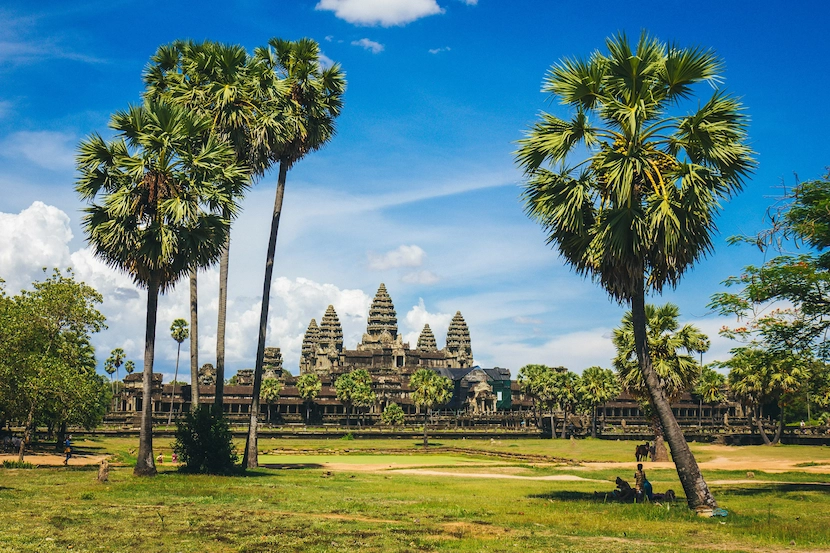
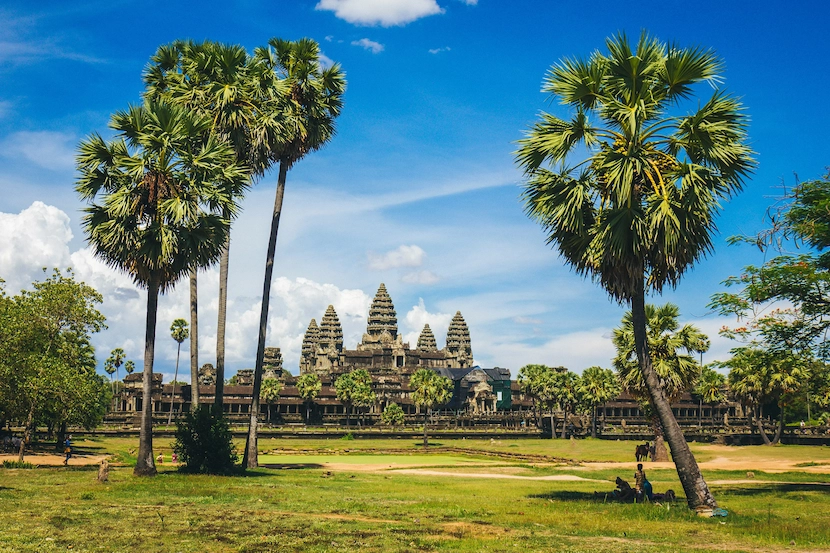
2.1 From November to February Cool Dry Season The Best Time Overall
This is undoubtedly the best time to visit Cambodia for first time travelers and is considered the peak tourist season.
The weather is extremely favorable for all activities. Upon arriving in Cambodia during this season, you will likely be captivated by the bright, dry sunshine, clear deep blue skies without a single cloud, low humidity, and cool breezes in the early morning and evening. The average temperature is from 26 to 30°C during the day, which is perfect for spending hours exploring temples. The jungle around Angkor is not too dense, the paths are dry and easy to walk, and the iconic sunrise over Angkor Wat is at its most spectacular and most reliable.
This is also the perfect time for those who love festivals and vibrant energy. This is Cambodia's festival season. The most famous is the Bon Om Touk Water Festival, usually held in November in Phnom Penh, celebrating the reversal of the Tonle Sap River with three days of spectacular long boat racing, illuminated floats, and fireworks. The Angkor Festival lights up the temples with incredible dance performances right inside Angkor Wat in the late November.
Furthurmore, this is the ideal time for island hopping. The sea in the Gulf of Thailand is calm, crystal clear, and perfect for snorkeling, diving, and kayaking around Koh Rong Samloem. The humidity is low, so you can fully enjoy your trip by strolling on the fine white sand and letting the waves lap against the shore without feeling exhausted by the heat.
The only drawback is this is peak season, so accommodations in Siem Reap and beach resorts are always fully booked and prices are at their highest. The sunrise at Angkor Wat will be shared with thousands of other travelers. If you are planning a trip to Cambodia during this time, do not forget to book your flights and hotels at least 2 to 3 months in advance to find the best rooms.
2.2 From March to May: Hot Season - The Best Time for Islands and Fewer Crowds at Temples
This is the transitional period from the cool season to the rainy season and is the hottest time of the year in Cambodia. Temperatures can reach from 35 to 40°C, especially in April, which is the hottest month.
One drawback is the intense heat at midday, which can make climbing temple stairs exhausting. You might experience hazy skies due to dust, and the moats around Angkor may have low water levels. Furthermore, do not dismiss this season, because it offers unique advantages not found in other seasons.
Foremost, this is the absolute best time for the islands. The sea is at its calmest and clearest of the year, with visibility up to 20 meters for diving, and the sunsets on Koh Rong are simply unbelievable. Khmer New Year, known as Choul Chnam Thmey, is celebrated in mid-April, with the exact dates varying by year. For four days, the entire country turns into a giant celebration. In Siem Reap and Phnom Penh, locals engage in friendly water fights, build sand stupas in pagodas to pray for luck, and play traditional games. It is the most authentic cultural experience you can have.
Around mid May, everything seems to slow down, domestic tourism is low, and the temples of Angkor are no longer as crowded. You can leisurely enjoy your own space, have Angkor Thom almost to yourself in the early afternoon, and get stunning photos without other tourists in the frame. Hotel prices also drop significantly by 30 to 40% compared to peak season.
2.3 From May to October: Green Season - Rainy Season and A Beautiful Time for Photographers
One drawback of traveling during this season is the weather because this is Cambodia's rainy season, you might experience heavy but short downpours. It is usually in the late afternoon, lasting for an hour or two. The rain can last longer and some rural roads may be muddy in October. The Tonle Sap Lake swells to 5 times its size, which could disrupt some schedules.
However, this is a myth that needs to be corrected. The rainy season does not necessarily mean rain all day. Many days begin with sunny or relatively dry mornings, followed by short but heavy afternoon or evening showers. Most days you will have bright, sunny mornings perfect for temple exploration, followed by a dramatic afternoon storm that cools everything down, and if you do not time it right, you might miss the most beautiful Cambodia of all.
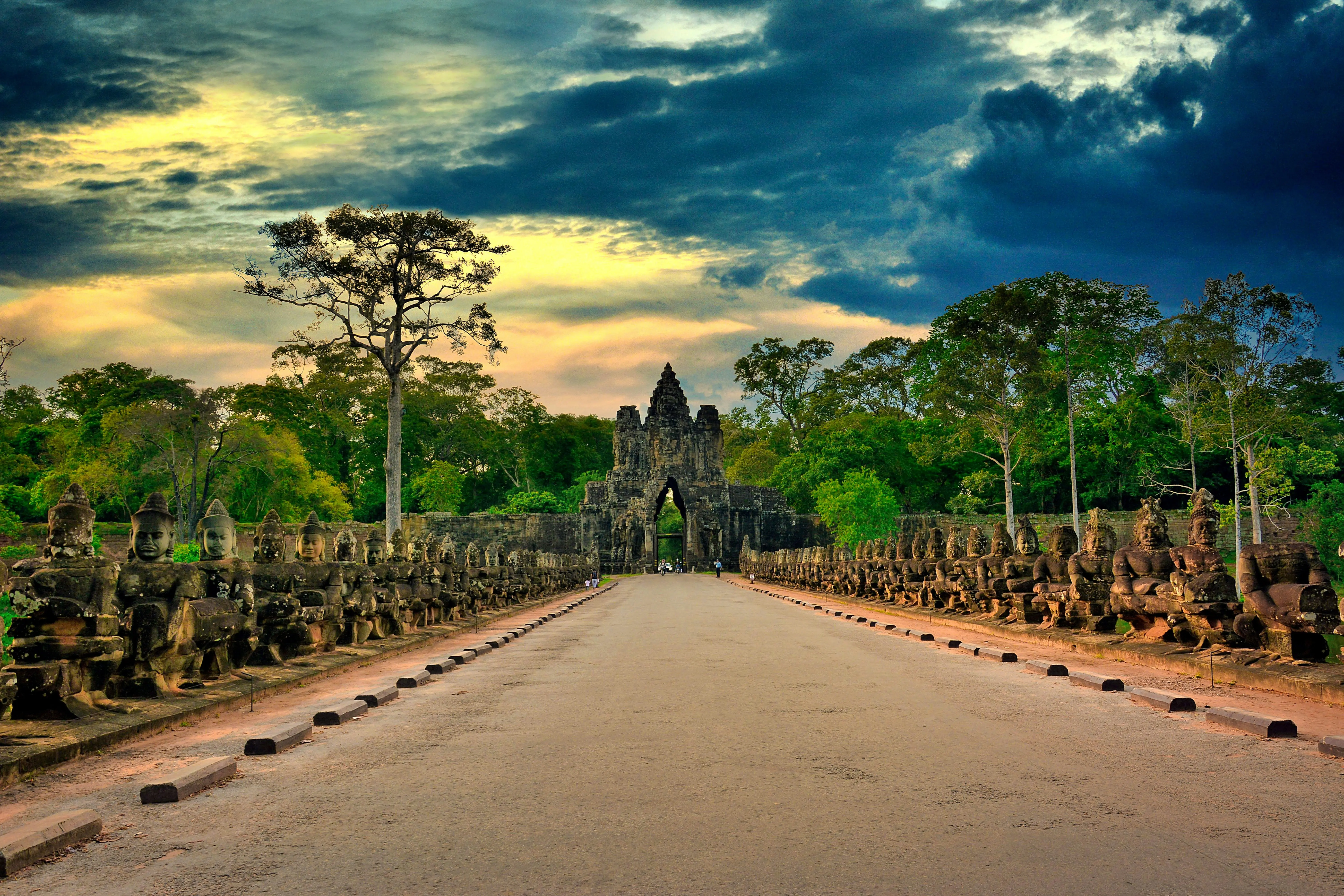
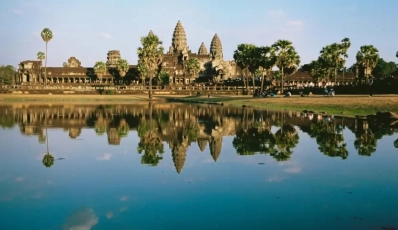
While the dry season is vibrant and golden, the green season brings a quiet, mystical, and incredibly lush beauty to Cambodia. This rare period allows Angkor to return to its true nature. This is when photographers and experienced travelers love to come. The moats are full, reflecting the temples perfectly like mirrors. The jungle that has swallowed Ta Prohm, the famous Tomb Raider temple, which is vibrant green, with moss covering the stones, making it look exactly like the lost world you imagined. The light after the rain is soft and magical.
This is also the best season to experience the real life of Tonle Sap. The floating villages like Kampong Phluk and Kompong Khleang are at their peak. The water is high, so boats can glide deep into the flooded mangrove forests, a maze of trees submerged in water that you cannot see in the dry season. On the coast, the landscape is lush and the waterfalls in Mondulkiri and Ratanakiri are at their most powerful.
The biggest advantage of traveling to Cambodia during this season is the extremely low cost and tranquility, because it is the off season, luxury 5-star rooms in Siem Reap are available at 3 star prices, temple passes require no queuing, and you can explore the country at your own pace. There is no more crowds, no more long queues. You can find a local eatery and savor a delicious Fish Amok in peace.
If you're traveling during this time, check the forecast daily, prepare a good raincoat, waterproof sandals, and insect repellent. You should embrace the flexibility.
Traveling to Cambodia is easy due to the friendly locals and growing tourism infrastructure. Hence, preparation is key.
First, it is essential to check the weather before your trip, especially if you go in shoulder season, and always bring sun protection. The Cambodian sun is strong even on cloudy days. You should prepare appropriate essentials such as high SPF sunscreen, sunglasses, a hat. Dress modestly when visiting religious and royal sites, covering your shoulders and knees where required.
Second, during peak season from November to February, especially around Christmas and Khmer New Year, Siem Reap is usually very crowded, so remember to plan your itinerary early to book flights, hotels, and the Angkor sunrise tour to avoid disappointment. It is best to book at least 6 to 8 weeks in advance.
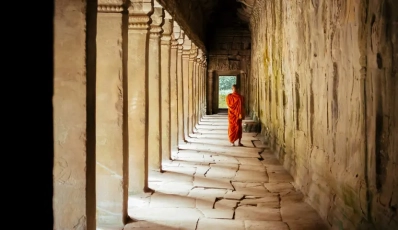
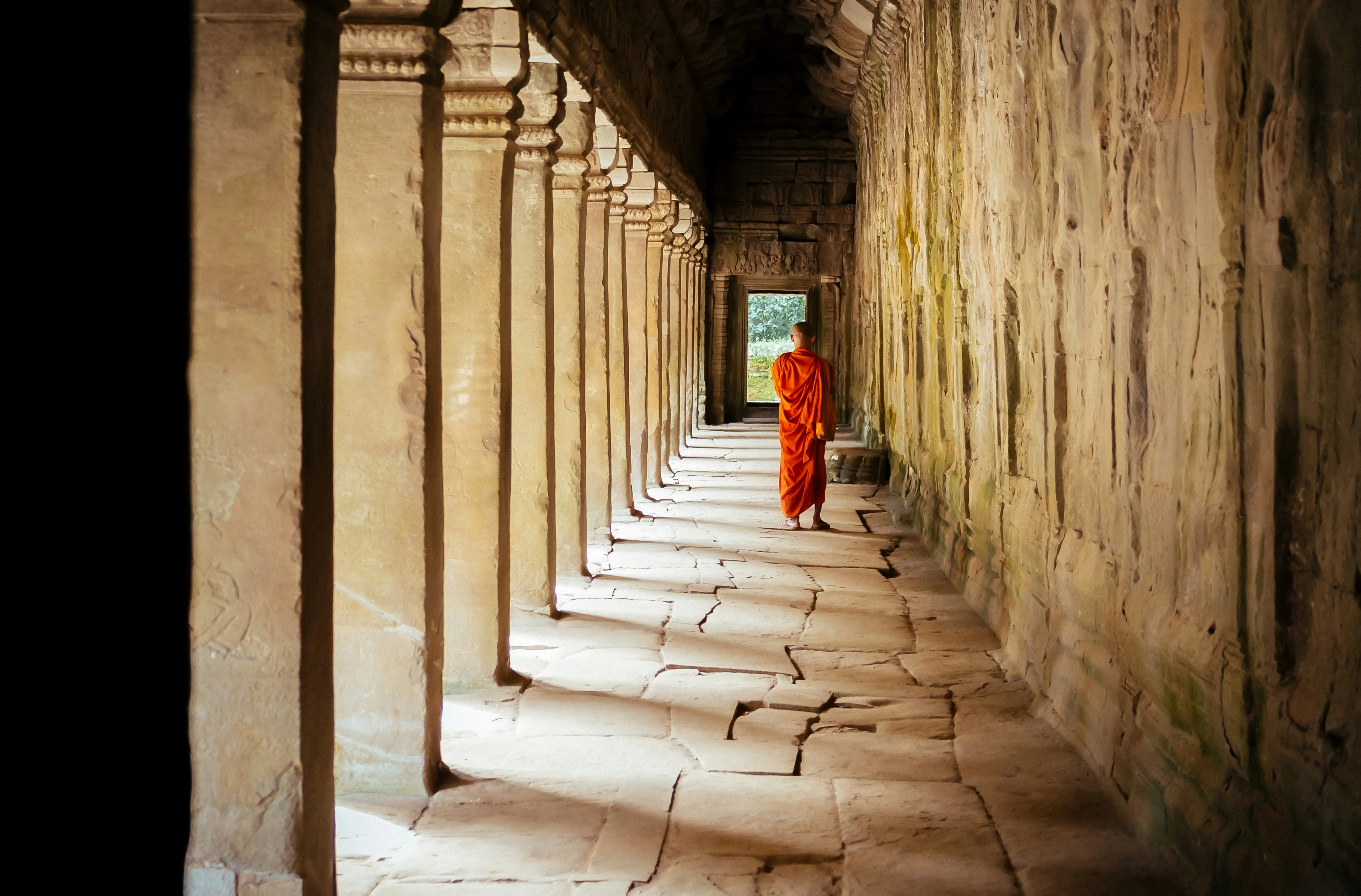
Third, you should always respect local customs. You should take off your shoes before entering a pagoda, ask before taking photos of monks, and bargain politely at markets. You should always ask for prices before eating or shopping. The Cambodian Riel (KHR) is the official currency, while US dollars remain widely accepted, particularly in tourist areas and for larger transactions. Small purchases are often paid in Riel.
Finally, you should choose a suitable itinerary that combines culture and relaxation, and be flexible enough to adjust according to the weather. You can start temple tours at 5:00 AM to catch sunrise and avoid the midday heat, then rest at your hotel pool in the afternoon.
A trip to Cambodia would not be complete without more than just temples. Beyond Angkor, Cambodia boasts many unique and outstanding cultural and natural sites.
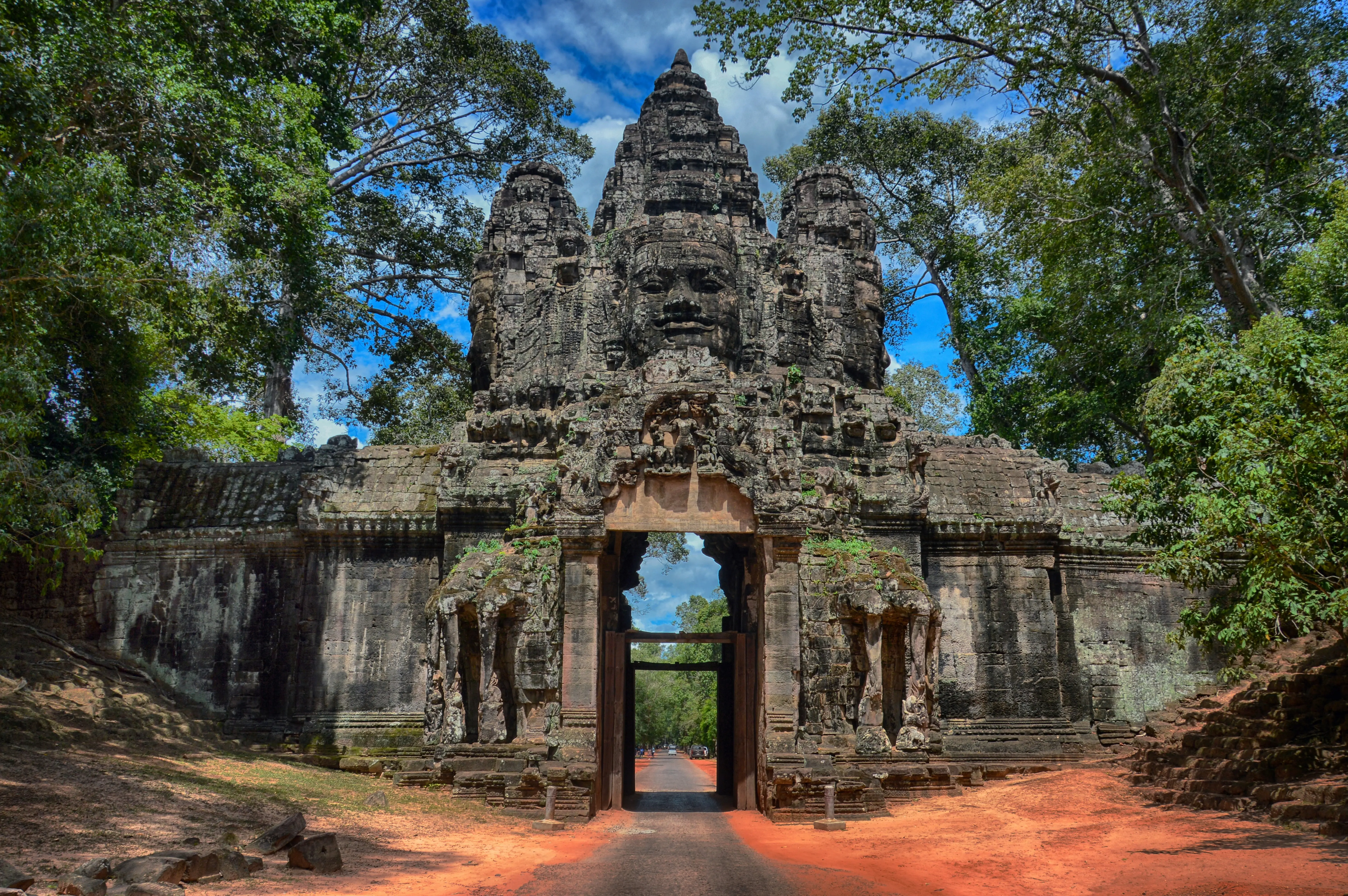
People must visit places include Angkor Wat which is the world's largest religious monument and a UNESCO World Heritage Site. Angkor Thom and the smiling faces of Bayon Temple. Ta Prohm, embraced by giant tree roots. Phnom Penh, home to the Royal Palace, Silver Pagoda, and the poignant Tuol Sleng Genocide Museum and Killing Fields. Tonle Sap Lake and its floating villages; and the pristine southern islands of Koh Rong Samloem and Koh Rong, with bioluminescent plankton at night.
You can try a blessing from a Buddhist monk, a signature spiritual experience in Angkor, or visit the night market on Pub Street to fully enjoy the local cuisine. Dishes you should not miss include Fish Amok, Lok Lak beef, Khmer red curry, and Nom Banh Chok - Khmer noodles.
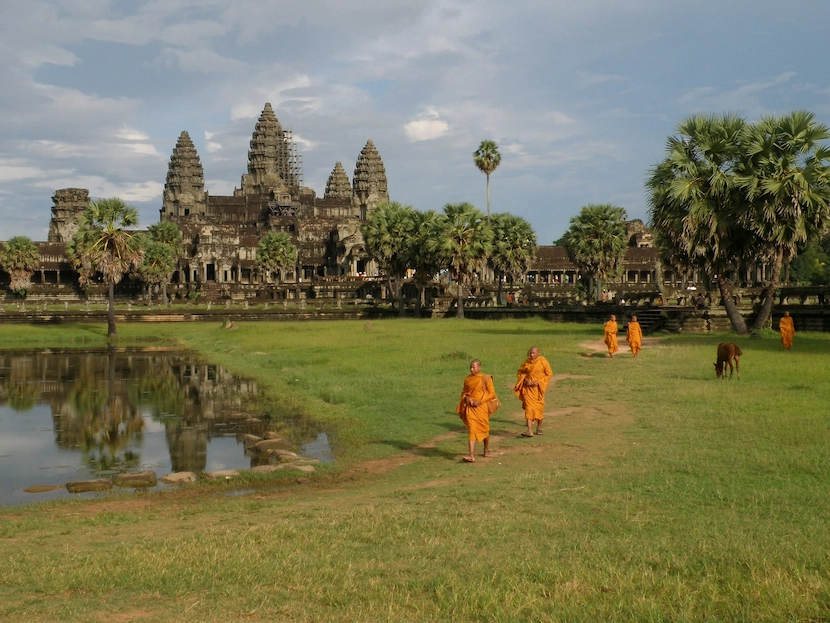
4.2 Recommended 3D2N Itinerary for Siem Reap & Angkor - Popular plan
Day 1: Grand Temple Sunrise and Jungle Temples
Morning
4:30 AM Angkor Wat Sunrise, Angkor Thom, Bayon Temple, Baphuon Temple
Afternoon
Ta Prohm (Tomb Raider Temple), Banteay Kdei, Srah Srang sunset
Evening
Pub Street, Siem Reap Night Market, Apsara Dance Show
Day 2: The Remote Temples and Floating Life
Morning
Banteay Srei, famous for its intricate pink sandstone carvings, Kulen Mountain Waterfall
Afternoon
Tonle Sap Lake, Kompong Phluk Floating Village, Flooded Mangrove Forest Boat Ride
Evening
Tonle Sap sunset, Local Fish Amok dinner
Day 3: Siem Reap Culture
Morning
Angkor National Museum, Artisans Angkor Silk Farm
Afternoon
Old Market, Departure from Siem Reap
4.3 Recommended 5D4N Itinerary for Cambodia - Recommended Itinerary
Day 1: Arrival in Phnom Penh
Morning
Arrive in Phnom Penh, Royal Palace, Silver Pagoda
Afternoon
Wat Phnom, Central Market, Sunset cruise on Mekong River
Evening
Bassac Lane street food
Day 2: History and Transfer to Siem Reap
Morning
Tuol Sleng Museum & Killing Fields (for understanding history)
Afternoon
Fly to Siem Reap (45 mins), Evening: Pub Street
Day 3 & 4: Angkor Magic
Follow the 3D2N Angkor plan above in depth, including Beng Mealea temple - the untouched jungle temple.
Day 5: Beach or Departure
Option A
Fly to Sihanoukville and boat to Koh Rong Samloem for a full beach day before departure.
Option B
Morning at leisure, visit a local pagoda for a water blessing, and departure.
Cambodia is truly a country worth stopping by on your journey to explore Southeast Asia. The diverse beauty throughout the year offers surprising and exciting experiences. If you want to immerse yourself in a vibrant, cool, and festive atmosphere with the best temple weather, visit from November to February. If you want crystal-clear islands and a deep dive into Khmer culture during New Year, visit from March to May. Conversely, if you need a place to experience a mystical, green, tranquil, and budget-friendly Angkor with the most dramatic photos, visit from June to October.
No matter when you go, Cambodia will greet you with its famous warm smile: "Choum Reap Suor." Wishing you many wonderful memories in this beautiful kingdom.
Related articles: