Ciao splendida Sole !
Abbiamo visionato il sito e l abbiamo trovato fatto molto bene e interessante, riteniamo che sia di facile comprensione e con tutte le...
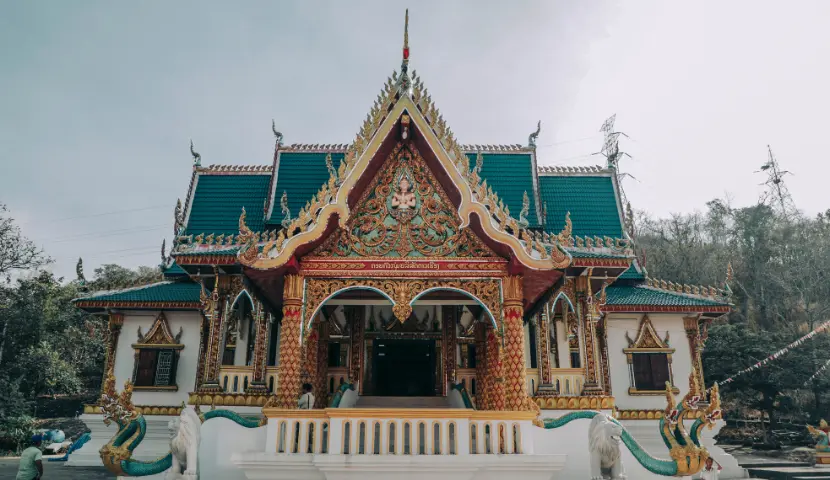
Laos is a beautiful country and an ideal destination for those who cherish tranquility, pristine nature, and mystical Buddhist spirituality. It is renowned not only for its landscapes but also for the gentle, unhurried, and incredibly hospitable nature of its people. However, as a nation that deeply values moral and religious traditions, Laos has certain unwritten codes of conduct that visitors should know by heart. "When in Rome, do as the Romans do" is the golden rule of travel; to avoid awkward situations or inadvertently violating local taboos, keep this guide of "dos and don'ts" handy. It will help ensure a smooth journey while demonstrating respect for the host country.
Laos Travel Etiquette: Dos and Don’ts for Visitors
1. The DOS
2. The DON'Ts
3. Etiquette for participating in the Alms-Giving Ceremony (Tak Bat) in Luang Prabang
To quickly blend in and make a good impression on the locals, you should adopt the following behaviors that are respectful and in line with Lao customs and traditions:
1.1. Greeting with the "Nop" gesture and the phrase "Sabaidee"
When meeting Lao people, rather than shaking hands, embracing, or waving from a distance, the most polite and respectful way to greet them is to press your palms together in front of your chest (like a prayer position) and bow your head slightly, accompanied by the greeting "Sabaidee" (Hello). This gesture is known as the "Nop"; the unwritten rule is that the higher you hold your hands, such as at chest or chin level, the greater the respect shown to the other person, especially when greeting elders, dignitaries, or monks.
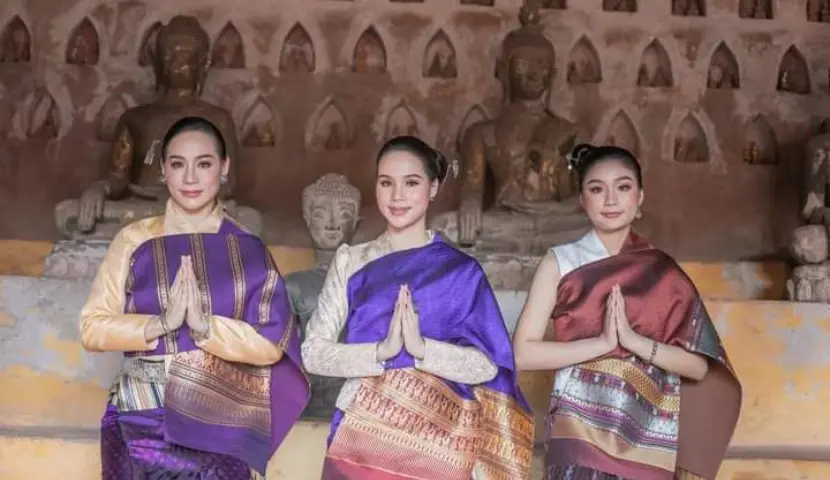
1.2. Dress modestly and respectfully when visiting temples and pagodas.
Laos is a Theravada Buddhist country where temples (Wats) serve as sacred sanctuaries and hubs of community cultural life; consequently, a strict dress code applies: tops must have sleeves (covering the shoulders, no tank tops or spaghetti straps), and trousers or skirts must extend below the knees. Women may choose to wear a traditional Lao sinh, especially when visiting temples or attending cultural events. You can rent or purchase one right outside the gates of major temples, a choice that ensures cultural propriety while also providing a wonderful opportunity for memorable photos. Additionally, visitors must always remove their shoes, sunglasses, and hats before entering the main temple hall or a local resident's home.
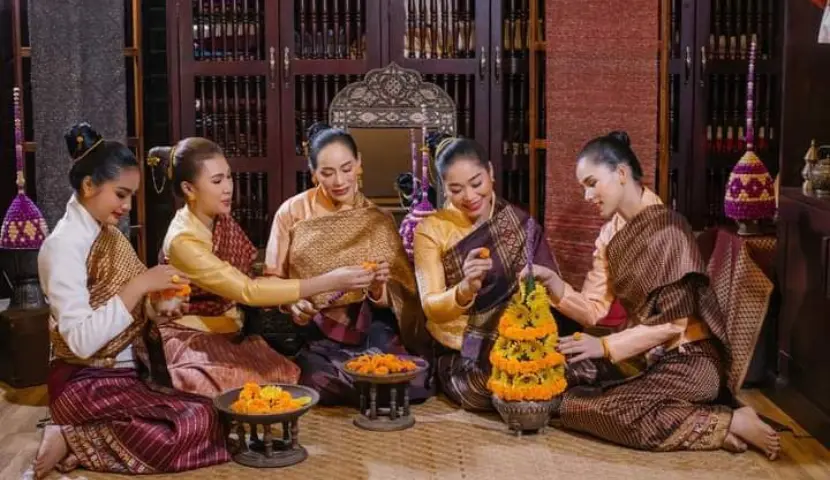
1.3. Maintain a calm demeanor and speak gently.
A crucial tip for traveling in Laos is learning to adapt to the local pace of life. Lao people strongly dislike noise, loud voices, or displays of anger in public; therefore, if you encounter a problem such as a vehicle breakdown, slow service, or a wrong order remain calm, smile, and handle the situation gently. Shouting or losing your temper may make the situation more uncomfortable and can be perceived as disrespectful.
1.4. Bargain gently and cheerfully while shopping.
At famous night markets like those in Luang Prabang or Vientiane, bargaining is commonplace. If bargaining is appropriate, do so politely and avoid becoming overly aggressive or confrontational. Negotiate prices in a friendly manner; if the seller does not agree to your offer, simply smile and say "Khop chai" (Thank you) before walking away.
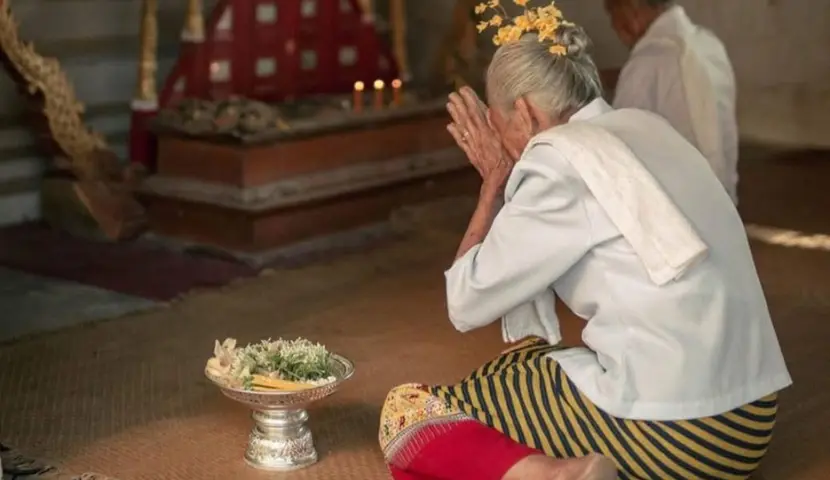
1.5 Respectful guest at the table.
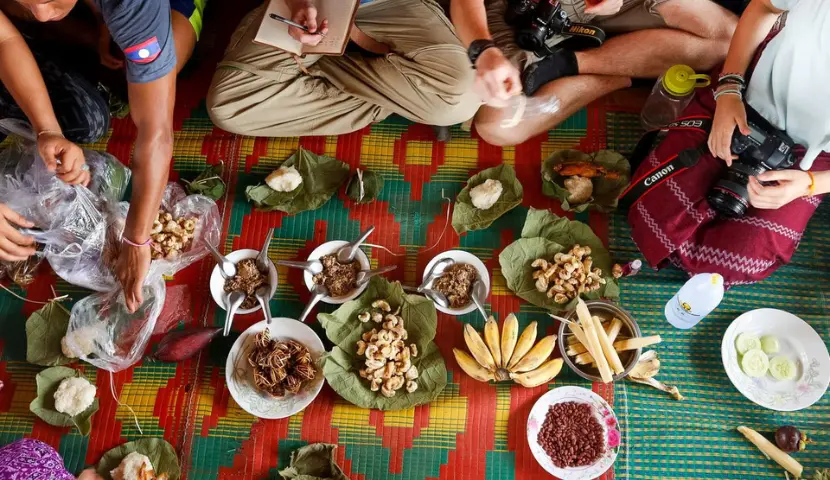
Sharing a meal with a Lao family is a wonderful way to experience the country's warm hospitality and rich cultural traditions. Dishes are often shared communally, and hosts may offer additional servings as a gesture of generosity and care. If you find yourself full, there is no need to feel uncomfortable. Simply smile, thank your host, and politely decline more food with a friendly “Khop chai”, which means “thank you” in Lao. Demonstrating gratitude, modesty, and respect for local customs helps create a positive dining experience for everyone.
To avoid coming across as an inconsiderate tourist or running into legal trouble, keep the following taboos in Laos firmly in mind.
2.1. Do not touch other people's heads.
In Lao culture, the head is considered the most sacred part of the body and is associated with a person's spirit and dignity. Touching someone else's head, even as a friendly gesture, may be viewed as disrespectful or inappropriate, travelers should avoid patting adults or children on the head and should always be mindful of personal space when interacting with locals. Respecting this cultural norm is a simple way to show courtesy and gain a deeper appreciation for traditional Lao values
2.2. Do not use your feet to point at or direct towards sacred places.
In contrast to the head, the feet are considered the lowest and most unclean part of the body therefore, you must strictly avoid using your feet to point at people, objects, or Buddha statues. Additionally, When sitting in temples or homes, avoid pointing the soles of your feet toward people, Buddha images, or altars. Finally, avoid using your feet to move objects, especially books or food.
2.3. Strict rules for monks (Especially regarding women)
Monks in Laos hold a highly respected social and religious status and must adhere to hundreds of strict precepts. Women should not touch monks or their robes. When offering something, they should place it on a cloth or tray, or ask a man to pass it to the monk. When taking photos with monks, maintain a respectful distance and avoid touching them or putting your arm around them.
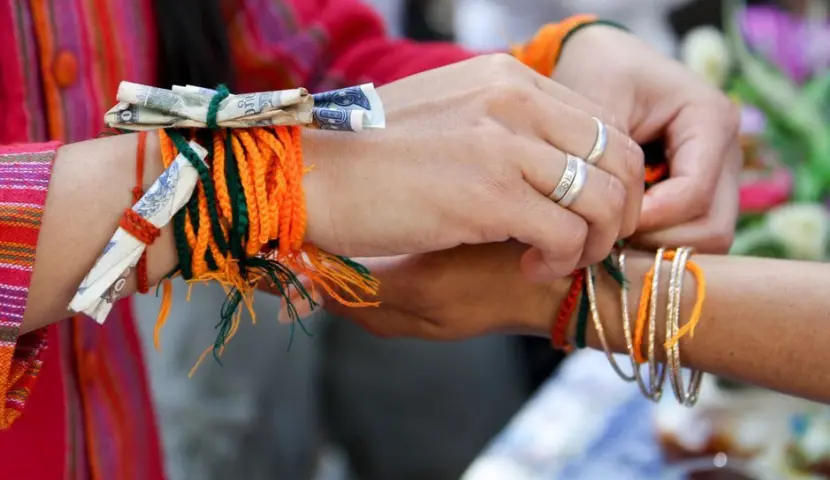
2.4. Do not display excessive affection in public.
Laos is a culturally conservative country where modesty and respectful behavior are highly valued. While holding hands is generally acceptable, excessive public displays of affection, such as prolonged kissing or intimate behavior, may make locals uncomfortable and can be considered inappropriate, especially in rural areas and near religious sites. Visitors are encouraged to show affection discreetly and respect local social norms.
2.5. Do not take photos of local people or children without permission.
Laos is home to many beautiful ethnic minority villages (such as those of the Hmong and Khmu people). However, these communities often hold specific beliefs regarding photography for instance, the idea that taking a photo can cause one to lose a part of their soul. Therefore, always be polite and ask for permission first with a nod or by saying "Chup thap dai bo?" (May I take a photo?). If they decline or appear uncomfortable, graciously put your camera away to respect their privacy.
2.6. Do not use your left hand to give or receive items.
In Laos, the right hand is traditionally used when giving or receiving money, gifts, business cards, and other items and using only the left hand may be considered impolite, as the left hand is traditionally associated with personal hygiene. To show extra respect, especially when interacting with elders, monks, or in formal situations, it is common to use both hands when presenting or receiving an item.
The Alms-Giving Ceremony (offering alms to monks early each morning) is a deeply sacred spiritual tradition and a signature cultural experience of the ancient capital, Luang Prabang. To participate respectfully, please observe the following etiquette guidelines:
In general, the people of Laos are incredibly tolerant, generous, and hospitable; if you inadvertently make a minor mistake due to a lack of prior knowledge, they will usually offer a friendly smile to gently correct you and let it slide. However, taking the initiative to learn about local customs what to do and what to avoid before your trip will mark you as a knowledgeable and considerate traveler. This not only saves you from potential trouble but also earns you the genuine affection and respect of the people of the Land of a Million Elephants. Wishing you a peaceful, smooth journey to Laos filled with memorable cultural experiences!
Related articles: