Ciao splendida Sole !
Abbiamo visionato il sito e l abbiamo trovato fatto molto bene e interessante, riteniamo che sia di facile comprensione e con tutte le...
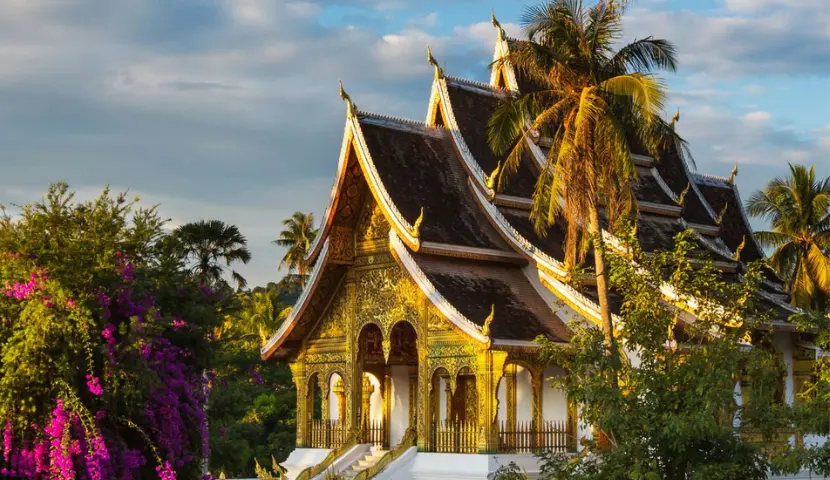
Luang Prabang is one of the most enchanting destinations in Laos, where ancient Buddhist temples, French colonial architecture, the Mekong River and lush mountain landscapes come together in a remarkably peaceful setting. Recognized as a UNESCO World Heritage Site since 1995, this former royal capital is best explored at a slow and relaxed pace. From witnessing the traditional morning alms giving ceremony and exploring the elegant Wat Xieng Thong to swimming in the turquoise pools of Kuang Si Falls, cruising along the Mekong to Pak Ou Caves and browsing the famous Night Market, there are plenty of memorable things to do in Luang Prabang. Whether you are interested in Lao culture and Buddhist traditions, nature and adventure, local handicrafts, photography, food or simply escaping the pace of modern life, Luang Prabang offers an authentic Southeast Asian experience that rewards travelers who take their time. In this guide, we explore the best things to do in Luang Prabang, including the city's must-see attractions, cultural experiences and relaxing activities to help you plan an unforgettable trip to northern Laos.
Best Things to Do In Luang Prabang
1. Experience the Sacred Morning Alms Giving Ceremony in Luang Prabang
2. Admire the Unique Sweeping Roofs at Wat Xieng Thong Temple
3. Conquer the 328 Steps for a Dramatic Sunset Atop Mount Phousi
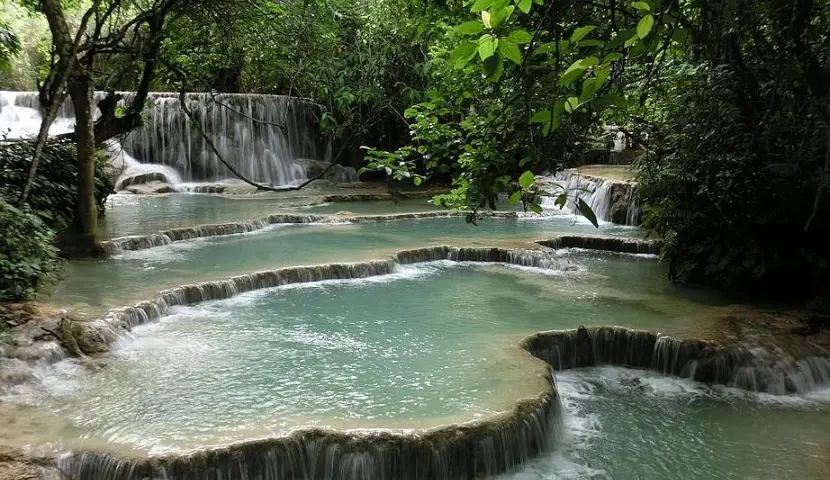
4. Immerse Yourself in the Turquoise Waters of Kuang Si Falls
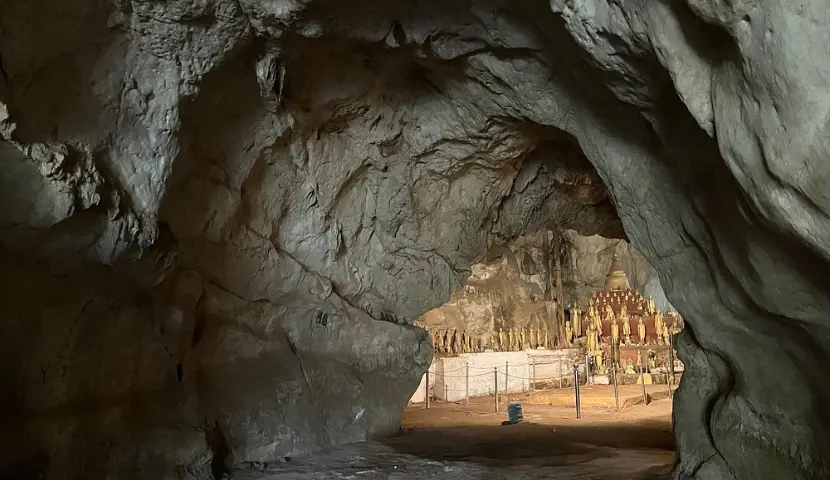
5. Take a Traditional Slow-Boat Cruise up the Mekong River to Pak Ou Caves
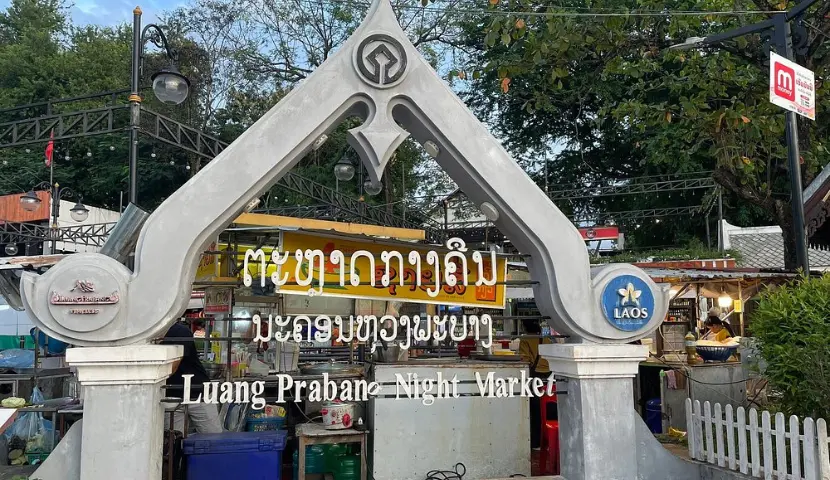
6. Dive Into the Vibrant Shopping Atmosphere at Luang Prabang Night Market
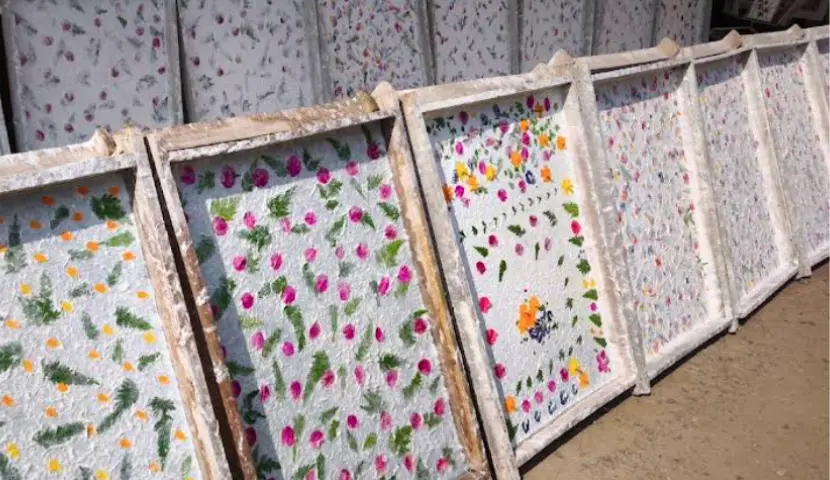
7. Learn Saa Paper Making and Silk Weaving at Ban Xang Khong Craft Village
8. Snap the Perfect Check-In Photos at Nam Khan Bamboo Bridge
9. Partake in a Traditional Baci Ceremony to Receive Blessings and Peace
10. Embrace the Art of "Slow Living" at a Riverside Cafe
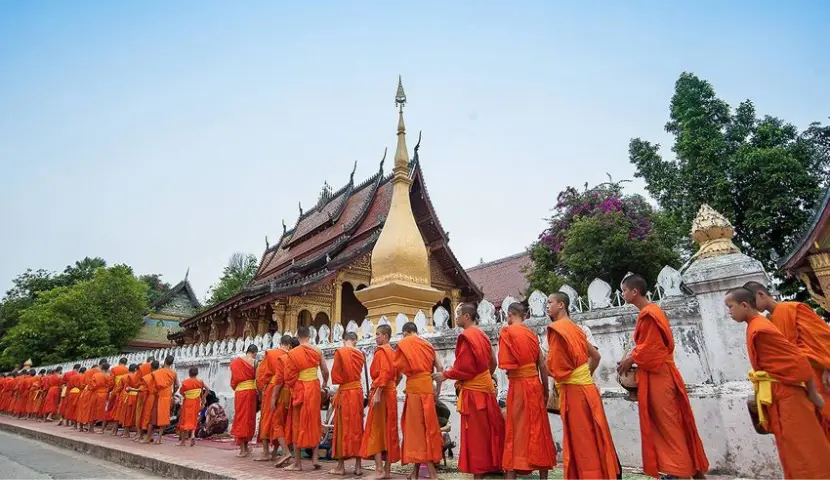
If there is one experience in the ancient capital that touches the deepest part of your soul, it is the "Tak Bat" alms-giving ceremony. While darkness still blankets the streets and the mist from the Mekong River has yet to lift, hundreds of monks clad in brilliant saffron robes walk silently in long lines through the old town. The only sounds are the soft patter of bare feet on the ground and the opening of bamboo baskets containing sticky rice. This sacred scene creates a moment of absolute serenity, instilling a profound sense of peace in anyone who witnesses it.
The alms-giving ceremony in Luang Prabang is not a tourist performance but a beautiful spiritual tradition dating back to the 14th century. For the Lao people, rising between 4:00 and 5:00 AM to prepare steaming hot sticky rice offerings for the monks is a way to demonstrate their reverence for Buddhism. Thus, the ritual not only provides the monks with sustenance for their day of study and practice but also offers laypeople an opportunity to accumulate merit, pray for their families' well-being, and cultivate compassion within themselves. To ensure a fulfilling and respectful spiritual experience in Luang Prabang, visitors should observe the following etiquette:
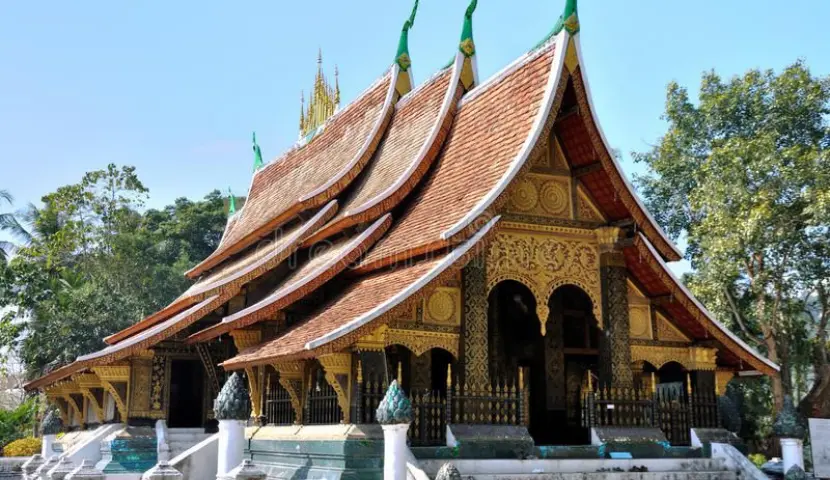
It is traditionally said to have survived the destruction that affected much of Luang Prabang during the 1887 conflict. Wat Xieng Thong (meaning "Temple of the Golden City") served not only as the largest religious center but also as the site for supreme royal ceremonies during the era of the ancient Lan Xang Kingdom. What makes this temple truly invaluable is its ability to preserve the authentic essence of classical Luang Prabang architecture, offering visitors a rare glimpse into the city's rich cultural heritage. After witnessing a serene sunrise, your heritage exploration is truly complete upon arriving at Wat Xieng Thong, situated at the confluence of the Mekong and Nam Khan rivers. Often likened to a "precious gem," the temple represents the pinnacle of the ancient capital's architectural artistry. No amount of praise is too much for this site; the moment you step through the gate, you are captivated by an atmosphere of solemn tranquility, where moss-covered roofs and gold-leafed walls shimmer in the sunlight, revealing a mesmerizing world of art.
The most spectacular highlight-and a magnet for visitors' gazes-is the "Tree of Life" relief adorning the rear wall of the main sanctuary. This magnificent artwork is composed of thousands of pieces of colored glass and exquisite ceramics inlaid directly onto a brilliant vermilion lacquer background, holding profound spiritual significance in the lives of the local people. The artwork depicts Buddhist legends and various animals, symbolizing the connection between heaven, earth, nature, and humanity, while conveying a message about the cycle of life. Additionally, as dusk falls, the glass fragments reflect the light to create a shimmering, magical dance of colors-perfect for capturing artistic souvenir photos. Entrance fee: around 30,000 LAK for foreign visitors. Opening hours are generally 8:00 AM–5:00 PM, although fees and hours may change. The best times to visit are between 8:00 and 10:00 AM or 3:00 and 5:00 PM, when natural light streams directly onto the glass mosaics.
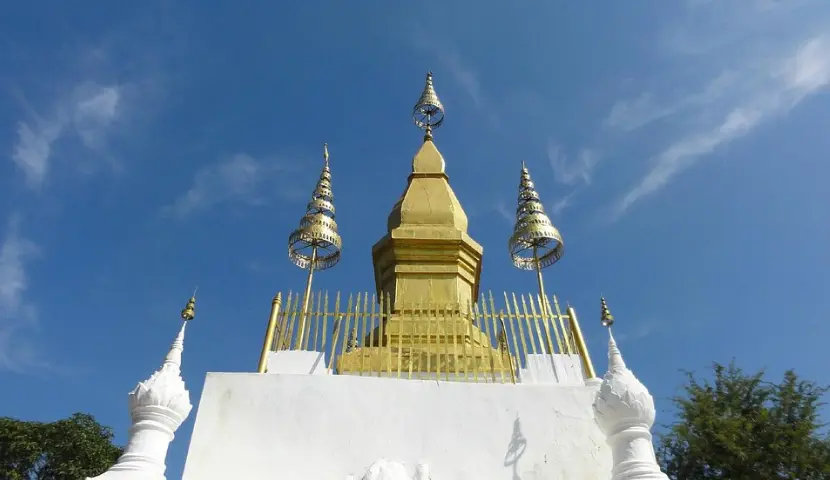
If you are looking for a vantage point to take in the full splendor of the ancient capital, the journey to the summit of Mount Phousi is the ideal experience. Situated in the heart of the old town, this sacred peak-rising about 150 metres above the surrounding area-is often described as the "spiritual lighthouse" of Luang Prabang. The climb is more than just a physical activity; it is a scenic journey where every step takes you away from the bustle and closer to the most romantic moments of nature. To reach the summit, you must ascend 328 winding brick steps shaded by "champa" trees-Laos' national flower. The path is punctuated by well-placed resting spots featuring gilded Buddha statues in various poses nestled against the cliffs, creating an atmosphere of mystical serenity. The rustling of leaves and the faint, sweet fragrance of frangipani flowers help you forget the fatigue of the climb. Upon reaching the top of Phousi, your perseverance is rewarded with a breathtaking 360-degree panorama. From the ancient stupa of Wat Chom Si, you can gaze out over the moss-covered roofs of the old quarter, the network of small canals, and the confluence of the mighty Mekong and the gentle Nam Khan rivers. Visitors can also witness a magnificent sunset as the Luang Prabang sky shifts from golden yellow to fiery red and finally to deep purple. It is the premier sunset spot in Luang Prabang-a location highly coveted by photographers and travel bloggers alike. You should start the climb between 4:30 and 5:00 PM to secure the best spot before sunset-as the summit tends to get very crowded at that time-and remember to wear modest clothing and bring a small bottle of water.
While ancient temples offer a sense of spiritual serenity, Kuang Si Falls awakens a deep appreciation for untamed nature. Located approximately 29km south of the ancient capital's center, Kuang Si is celebrated as one of Southeast Asia's most stunning limestone waterfalls. The journey involves traversing lush green forests and listening to the distant roar of cascading water before a refreshing paradise -featuring surreal turquoise pools-reveals itself; it is an experience that will remain an unforgettable memory of your trip to Luang Prabang. The waterfall’s beauty lies in its unique multi-tiered structure, cascading over gentle limestone terraces; the centerpiece is a majestic 60-meter-high main drop, where the rushing water creates a magical, misty atmosphere. Thanks to abundant mineral deposits, the water in the lower pools boasts a crystal-clear turquoise hue that contrasts beautifully with the surrounding tropical vegetation, creating a scene that is both majestic and poetic-making you feel as though you have stepped into a real-life fairytale garden.
At this renowned Luang Prabang attraction, you can do more than just admire the scenery; you can also engage in exciting, hands-on activities. Visitors are free to swim in designated natural pools, and taking a dip in the cool, refreshing water on a summer day is the perfect way to wash away travel fatigue and feel truly revitalized. You can also snap a photo on the wooden bridge spanning the waterfall-a classic vantage point for capturing the cascading water in the background-and visit the rescue center located right at the entrance to the eco-tourism site; this safe haven houses Asian black bears rescued from illegal poaching, allowing you to watch them play and climb while learning about meaningful wildlife conservation efforts in Laos. Between December and April-after the rainy season has passed and the water has cleared to a stunning turquoise-you can easily reach the site by renting a motorbike, taking a shared tuk-tuk, or booking a round-trip minivan from the Old Town.
To truly connect with the rhythm of Luang Prabang, a journey along the legendary Mekong River is an experience not to be missed; specifically, a slow-boat trip to the Pak Ou Caves offers a blend of romance and exploration like no other. As you glide gently along the water in a wooden boat-admiring towering limestone cliffs and the simple lives of local fishermen on the riverbanks-you will understand why this river is considered the lifeblood of Southeast Asia. Departing from the pier at the edge of Luang Prabang’s Old Town, The boat journey takes around 1.5 hours upstream, giving you the time and space to cast aside your worries and simply immerse yourself in the breathtaking natural scenery. Along the way, you pass small fishing villages, spot buffaloes wallowing in the water, and see local children cheering and waving at travelers from the shore; the tranquil atmosphere and the steady hum of the boat engine create a wonderfully relaxing sensation.
The journey culminates at the Pak Ou Caves, located at the confluence of the Nam Ou and Mekong rivers. This is a deeply revered spiritual site in Luang Prabang, featuring two main caves nestled within the limestone cliffs. The Lower Cave (Tham Ting), situated at the entrance, is bathed in natural light that illuminates thousands of lacquered and gilded wooden Buddha statues arranged closely together in rock niches. A climb of approximately 300 steps leads to the Upper Cave (Tham Theung), the upper cave is darker, so carrying a flashlight or using your phone torch can be helpful that houses ancient Buddha statues bearing the marks of time. The more than thousands of Buddha statues here have been brought as offerings by local residents and devotees from far and wide over the centuries-particularly during the Lao New Year-as prayers for a year of favorable weather and abundant rain.
You can easily purchase boat tickets directly at the Old Town pier in the morning (boats typically depart around 8:30 AM) or book through travel agencies that offer combined sunset tours. Most boat trips to Pak Ou stop at Ban Xang Hai (Whiskey Village), where you can sample the famous "Lao-Lao" rice whiskey and purchase unique handicrafts; be sure to bring a flashlight (or ensure your phone is fully charged) to explore the upper cave, and remember to dress modestly when entering the area where the Buddha statues are enshrined.
As dusk falls behind Mount Phousi, the main street of Sisavangvong instantly transforms; hundreds of stalls with vibrant red and blue canopies light up a corner of the ancient town. The Luang Prabang Night Market is not merely a bustling shopping haven but also the perfect place to experience the colorful yet serene nightlife of the local people. Unlike the noisy, aggressive touting often found at other tourist night markets, this market in the ancient capital offers a pleasant atmosphere. Friendly Lao vendors greet visitors with gentle smiles and showcase unique products-ranging from naturally dyed, hand-woven silk scarves and meticulously hand-embroidered brocade bags to traditional "Sa" paper paintings and jewelry crafted from recycled bomb fragments as a message of peace. The market operates daily from 5:00 PM to around 10:00 PM.
Food lovers certainly shouldn't miss the food alley located right at the market entrance. The mouth-watering aromas wafting from glowing charcoal grills will awaken your senses as you explore the vegetarian buffet stalls; here, you simply pay for a plate and fill it with as much stir-fried noodle, vegetable, or tofu as you like. Alternatively, try "Ping Pa" (bamboo-clamped, salt-grilled snakehead fish) or "Ping Kai" (crispy-skinned grilled chicken) paired with spicy "Cheo" sauce and fragrant, sticky Lao rice served in charming little bamboo baskets. Don't miss out on the rich, melt-in-your-mouth "Khao Nom Kok" (grilled coconut cakes) or a refreshing tropical fruit smoothie to wrap up your food tour.
To step away from the bustling tourist trails and reconnect with authentic craftsmanship, spend a morning visiting the artisan village of Ban Xang Khong. Located about 3km northeast of Luang Prabang’s Old Town, this peaceful village on the banks of the Nam Khan River preserves centuries-old traditions of silk weaving and paper making. Strolling under the shade of green trees, listening to the rhythmic clacking of wooden looms, and creating your own unique artwork will be an unforgettable highlight of your cultural journey. Inside the weaving workshops, you can witness the remarkable skill of Lao artisans as they hand-weave intricate brocade scarves on rustic wooden looms. You also have the opportunity to purchase high-quality silk directly from the makers at excellent prices.
In addition to weaving, Ban Xang Khong is renowned throughout Laos for its "Sa" paper-a textured paper made from the bark of the wild mulberry tree using a unique process. You can personally decorate your own sheet of paper by arranging fresh flowers, leaves, or dried petals onto the wet surface before leaving it to dry in the sun. The finished products-such as lovely postcards, notebooks, or paper lanterns-will bear your own unique personal touch.
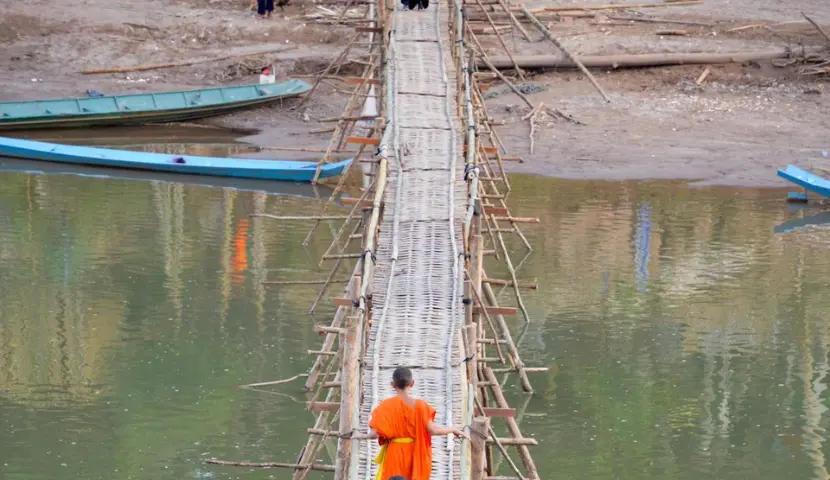
If you are looking for an iconic, poetic photo spot unique to the ancient capital, make sure to visit the Nam Khan bamboo bridge. For photography enthusiasts and travel bloggers, this Luang Prabang bridge offers a flawless backdrop for stunning photos. More than just a means of crossing the river, the bridge is a unique work of artisanal craftsmanship-a testament to the locals' remarkable ability to adapt to nature. The tightly woven bamboo structure, winding gracefully over the clear blue water, creates a highly photogenic scene-especially when paired with traditional or vintage attire. Standing in the middle of the bridge, you can easily capture moments such as fishermen casting their nets, monks walking across, or slow boats gliding gently in the distance.
Walking across the bamboo slats offers a unique, slightly swaying sensation; visitors can listen to the gentle lapping of the water beneath their feet while watching the sunset. The bridge’s magic and allure lie in its unique "lifecycle," which is tied to the local climate: during the dry season (November to May), when the Nam Khan River’s water level drops and the current slows, locals collaborate to build the bridge using simple yet incredibly sturdy techniques to facilitate travel between the Old Town and the craft villages on the opposite bank; come the rainy season (June to October), the bridge disappears, only to be rebuilt the following year. While the bridge features sturdy handrails, the bamboo surface itself can be slightly slippery or prone to gentle swaying. You should wear flat shoes or sandals with good grip, avoid high heels, and make sure to hold your phone or camera securely while taking photos.
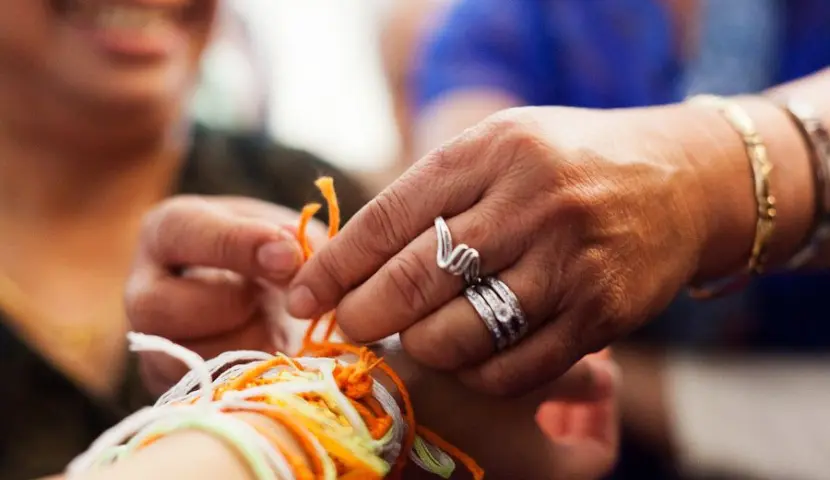
If you are looking for an emotionally moving experience that allows you to truly feel the hospitality of the people of Luang Prabang, consider participating in the Baci (or "Soukhwan") wrist-tying ceremony. This is not merely a traditional Lao ritual for welcoming honored guests and offering blessings; it is an invaluable spiritual and cultural treasure-a symbol of love and human connection. The Baci ceremony has roots in traditional Lao beliefs and continues to be an important cultural practice today. According to traditional Lao beliefs, a person has 32 khwan, understood as spiritual essences associated with different aspects of life and well-being. These spirits can wander off when a person travels far, experiences sorrow, or falls ill. The Baci ceremony is held to "call the spirits back," restore balance, and offer protection against misfortune; it typically takes place on special occasions such as the Lao New Year (Bun Pi May), weddings, the birth of a baby, or when welcoming friends and honored guests from afar.
The focal point of the ceremony is the "Pha Khuan"-a conical floral centerpiece meticulously crafted from banana leaves, vibrant yellow marigolds, and pure white "champa" (frangipani) flowers, adorned with hanging colorful cotton threads. Once the ritual begins, participants touch the centerpiece while taking turns tying white or colorful cotton threads around your wrists; each tie is accompanied by a heartfelt wish for health, happiness, good fortune, and safe travels. According to local custom, you should keep these threads on your wrist for at least three days (or until they fall off naturally) to fully preserve the luck and blessings bestowed upon you by the locals. You can participate in this ceremony at local homestays or community-based tourism households, or book it in advance through cultural tours in Luang Prabang’s Old Town. Additionally, during the Lao New Year (in April), you may easily be invited by locals to join a Baci ceremony right on the street; when participating, remember to remove your shoes, sit cross-legged (or with your legs tucked to one side if you are a woman), and avoid pointing your feet directly at the "Pha Khuan" (flower offering centerpiece) or the officiant.
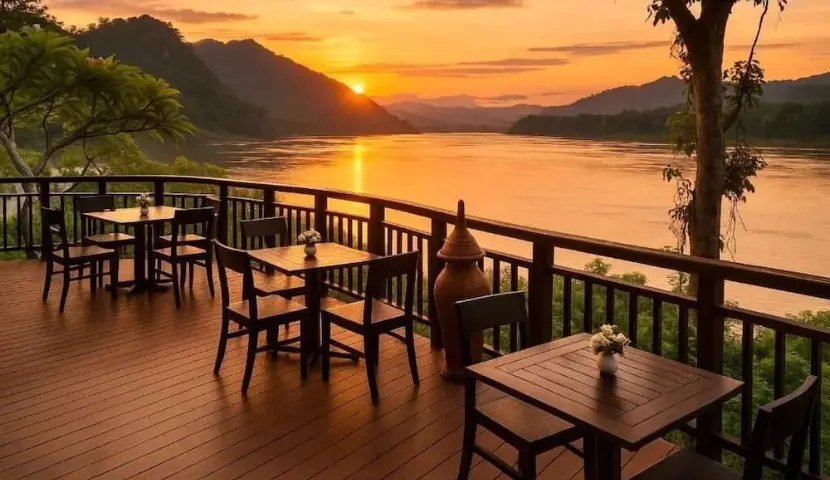
After long days spent exploring temples or trekking to waterfalls amidst the wilderness, the perfect way to wind down in this ancient capital is to settle into a riverside café. Luang Prabang is not a place for those in a rush; it is a sanctuary for the art of "slow living." Simply find a breezy balcony seat, order a rich cup of coffee, and leisurely watch the river drift by-in doing so, you will discover the true meaning of peace here. The charm of Luang Prabang’s cafés lies in a unique cultural fusion: two-story brick buildings featuring Indochinese architecture-complete with wooden balconies and moss-covered tiled roofs-have been transformed into artistic café spaces. Visitors can savor premium coffee beans grown in the Bolaven Plateau of southern Laos; these beans are roasted and ground by hand, yielding a rich, aromatic brew with a distinctive, delicate bitterness. Alternatively, you might try a sweet, traditional Lao-style iced coffee with milk, or sip a smooth cappuccino paired with a perfectly crisp, authentic French croissant. For the ultimate Luang Prabang coffee experience, consider visiting Saffron Coffee (known for its organic coffee line that supports ethnic minority farmers), Le Banneton (famous for classic French pastries), or Viewpoint Cafe (situated at the river confluence, offering breathtaking views). The ideal time is between 3:30 PM and 5:30 PM, when the sun is less intense and the air is cool; from your table, you can fully enjoy the moment the sun sets, bathing the entire river in a crimson glow.
The ancient capital of Luang Prabang is not a destination for those who crave haste or boisterous entertainment; instead, it leaves visitors with the simplest, most profound impressions. From the reverent atmosphere of the dawn alms-giving ceremony and the cool, pristine waters of Kuang Si Falls to lazy afternoons sipping coffee by the tranquil Mekong River, every detail holds a magical, healing energy that invites travelers to slow down and listen to their inner selves. Exploring these unique experiences in Luang Prabang promises to create unforgettable memories. If you are seeking a peaceful sanctuary to escape the pressures of a hectic life, hesitate no longer-pack your bags, plan your independent trip to Luang Prabang today, and experience the soul of this serene heritage land for yourself. "Sok Dee"-wishing you a truly fulfilling journey filled with blessings!
Related articles: