
Ciao splendida Sole !
Abbiamo visionato il sito e l abbiamo trovato fatto molto bene e interessante, riteniamo che sia di facile comprensione e con tutte le...
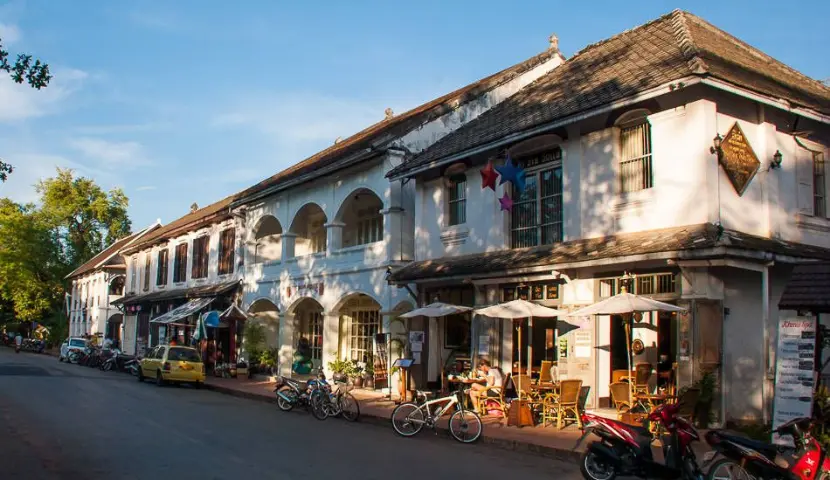
Luang Prabang is the cultural jewel of Laos, renowned for its ancient temples, architecture bearing the distinct imprint of Indochina, and peaceful natural scenery along the Mekong River. Recognized by UNESCO as a World Heritage Site, the city captivates visitors with its harmonious blend of history, culture, spirituality, and the pristine beauty of the surrounding mountains and forests. In this article, we explore everything you need to know about Luang Prabang - from the ideal time to visit, transportation options, and key attractions to the culinary specialties not to be missed during your journey to this charming former capital of Laos.
Luang Prabang Travel Guide: Best Time to Visit, Things to Do & Travel Tips
1. Where Is Luang Prabang? An Overview of Laos’ Heritage City
2. The Best Time to Visit Luang Prabang
3. Top Attractions in Luang Prabang
4. Discover Natural Wonders Near Luang Prabang
5. What to Eat in Luang Prabang?
6. Interesting Facts About Luang Prabang
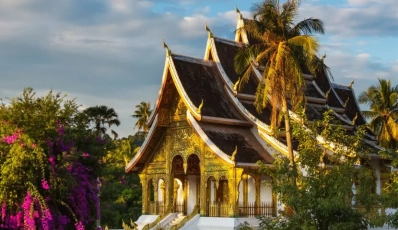
Luang Prabang is a renowned heritage city in northern Laos, situated at the confluence of the Mekong and Nam Khan rivers; once the ancient capital of the Kingdom of Lan Xang, it is regarded as a vital cultural and religious hub of the nation. Today, the city attracts millions of visitors annually, drawn by the harmonious blend of ancient architecture, sacred temples, and stunning natural landscapes. Located about 340 km by road north of Vientiane, Luang Prabang is surrounded by mountains and sits at the confluence of the Mekong and Nam Khan rivers, creating a rare, poetic setting. With a history spanning over a millennium. Luang Prabang was the capital of the Kingdom of Lan Xang from the 14 th to the 16th century and later served as the royal capital of Laos until 1946. Thanks to its strategic location and rich heritage, the city evolved into a regional center for trade, culture, and Buddhism, with its surviving ancient structures, temples, and historical monuments standing as testaments to its glorious past.
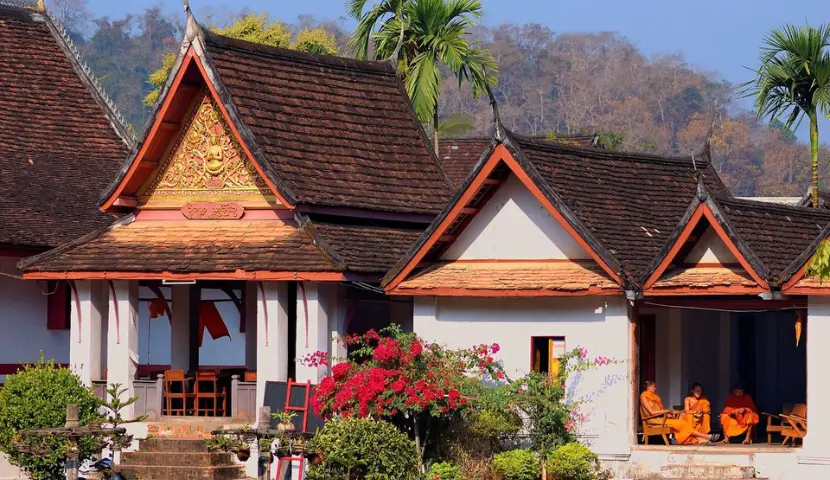
A visit to Luang Prabang reveals a distinct character that sets it apart from other Laotian cities. It is defined by a peaceful atmosphere, a leisurely pace of life, and a well-preserved cultural identity. Visitors can easily encounter scenes such as monks collecting alms at dawn, centuries-old gilded temples, and old streets featuring distinctive Indochinese architecture. Furthermore, the seamless blend of nature, history, and spirituality makes Luang Prabang a unique destination, offering a depth of experience that contrasts with the modern urban centers found elsewhere in the region. Consequently, in 1995, Luang Prabang was recognized by UNESCO as a World Heritage Site for its exceptional historical, cultural, and architectural significance. Its remarkably well-preserved historic townscape combines traditional Lao architecture, Buddhist temples, traditional houses and French colonial buildings. The harmonious blend of indigenous architecture and European cultural influences gives Luang Prabang its unique character, making it a premier destination for travelers visiting Laos.
Today, improved infrastructure has made traveling to Luang Prabang much easier. International visitors can reach the city via direct or connecting flights from various major cities across Southeast Asia. Additionally, the Laos-China high-speed railway connects Luang Prabang with Vientiane, significantly reducing travel time. For those who enjoy taking in the scenery, long-distance buses or Mekong River cruises offer appealing alternatives, allowing you to experience some of Laos's natural beauty before arriving at this renowned heritage city.
Thanks to its compact size and convenient transport network, getting around Luang Prabang is quite easy for visitors. The Old Town - home to famous landmarks such as Wat Xieng Thong, the Royal Palace, and the Luang Prabang Night Market - is best explored on foot; walking allows you to soak up the peaceful atmosphere, admire the heritage architecture, and experience the unique rhythm of life in this UNESCO-listed city. For attractions located outside the center, visitors can use tuk-tuks, the most popular and widely available mode of transport in the area. Alternatively, renting a bicycle or motorbike is a favorite choice for many, offering affordability and schedule flexibility for those wishing to explore every nook and cranny of the city. Another equally unique option is taking a Mekong River cruise to admire the natural scenery and observe local life along the riverbanks.
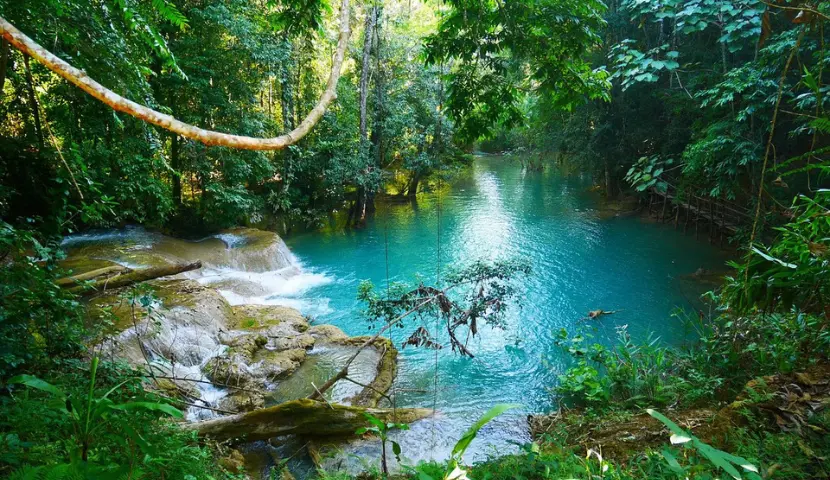
Thanks to its tropical monsoon climate, Luang Prabang welcomes visitors year-round without the worry of severe storms or harsh weather. From the cool temperatures ideal for sightseeing at heritage sites and the vibrant festival seasons to the lush greenery of the rainy season, this heritage city holds a unique appeal for travelers. However, certain times are particularly well-suited for enjoying the city's beauty while experiencing its festive atmosphere and exciting activities. November to February is generally considered the best time to visit Luang Prabang, thanks to cooler temperatures, lower rainfall and comfortable conditions for sightseeing and outdoor activities. This is an ideal period to explore the UNESCO-listed Old Town, visit famous temples, watch the sunrise over the Mekong River, or climb Mount Phou Si for a panoramic view of the city.
From March to May, the weather warms up, but this period hosts many traditional festivals offering a chance to experience authentic and lively Lao culture. Meanwhile, the rainy season generally runs from around May or June to October blankets Luang Prabang in fresh greenery, making the waterfalls and natural landscapes even more spectacular. Despite occasional brief showers, this season is a great choice for nature lovers, those wishing to avoid crowds, and budget-conscious travelers. Whether you prioritize weather, festivals, or exploration, every season offers unique experiences, ensuring Luang Prabang remains a captivating destination for international visitors.
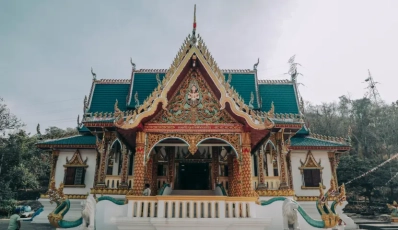
As Laos' most renowned heritage city, Luang Prabang boasts numerous attractions rich in historical, cultural, and spiritual significance. From ancient temples built centuries ago to royal structures and vibrant local markets, each landmark reflects the unique charm of the region that once served as the capital of the Kingdom of Lan Xang.
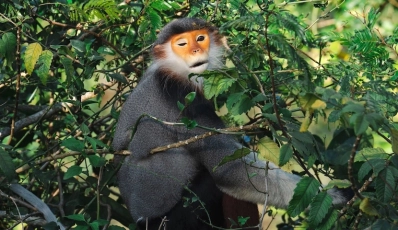
Beyond its historical landmarks and ancient temples, Luang Prabang is renowned for its pristine natural landscapes and stunning surrounding destinations, each offering a unique experience for visitors. If you wish to explore the natural beauty of Northern Laos, the natural wonders near Luang Prabang are undoubtedly highlights not to be missed on your journey.
Luang Prabang is renowned not only for its ancient temples and UNESCO heritage status but also for a unique culinary scene that embodies the essence of Laos. From time-honored traditional dishes and enticing street food to romantic restaurants along the Mekong River, a culinary journey through Luang Prabang promises unforgettable experiences for every traveler and food enthusiast.
Savoring Local Culinary Delights: Tasting the local cuisine - characterized by bold yet harmonious flavors and prepared using fresh ingredients and distinctive Lao herbs - is an essential part of visiting this heritage city. Visitors can enjoy famous dishes such as "Laap", "Or Lam", "Khao Soi", and traditional sticky rice, all of which vividly reflect the culture and daily lives of the local people. Beyond their delicious taste, these dishes offer a gateway for visitors to gain a deeper understanding of the cultural identity of this ancient capital.
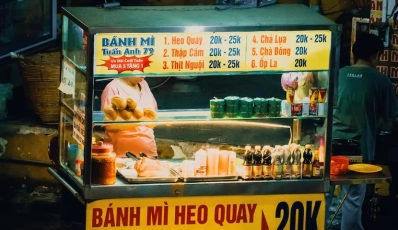
Exploring the Night Market and Street Food Culture: The Luang Prabang Night Market is an ideal destination for those wishing to experience local cuisine at an affordable price. Along the central streets, visitors will find a multitude of stalls serving grilled meats, traditional noodles, sticky rice dishes, and various other tempting local specialties. The bustling atmosphere, the pervasive aroma of delicious food, and the friendliness of the locals combine to create the unique appeal of Luang Prabang’s street food scene.
Dining Along the Mekong River: One of the most cherished experiences in Luang Prabang is enjoying a meal beside the poetic Mekong River. Visitors can savor Lao specialties while soaking up the city's peaceful, romantic atmosphere; a wide array of riverside restaurants and cafés offers relaxing settings and stunning sunset views.
A Fusion of Lao and French Cuisine: Thanks to its colonial history, Luang Prabang boasts a unique culinary scene that blends traditional Lao flavors with French culinary styles. Alongside local dishes, visitors can find numerous bakeries, cafés, and restaurants serving high-quality European cuisine in the Old Town. This cultural fusion creates a distinctive charm, making the dining experience in Luang Prabang diverse and unique compared to other destinations in Laos.
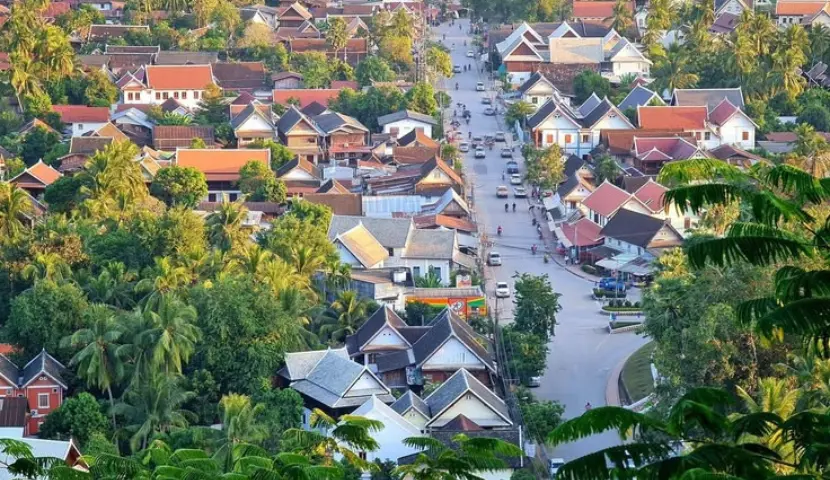
Beyond its ancient temples and poetic natural landscapes, Luang Prabang boasts fascinating stories that make it one of Laos's most captivating destinations. The following facts offer visitors a deeper understanding of the historical significance, cultural richness, and unique character of this renowned heritage city.
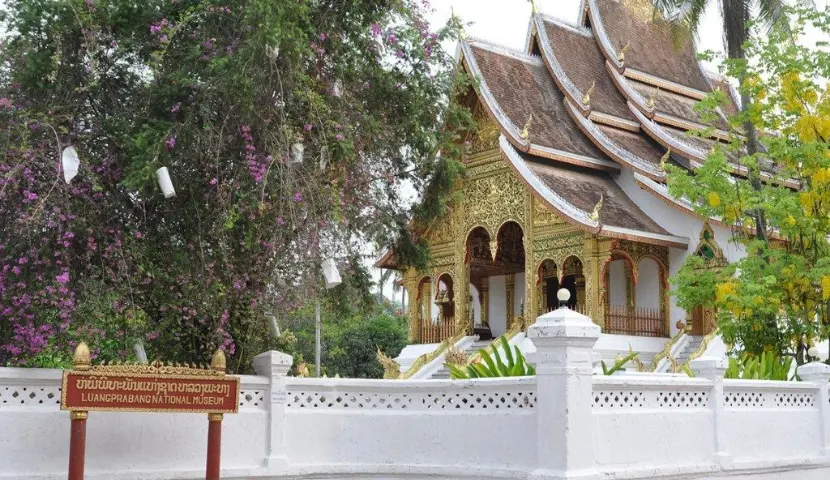
As the former royal capital of Laos and a UNESCO World Heritage Site, Luang Prabang is a destination that captivates visitors with its rich history, well-preserved cultural heritage, stunning natural landscapes, and authentic local experiences. From exploring iconic landmarks such as Wat Xieng Thong, Mount Phousi, and the Royal Palace Museum to discovering the beauty of Kuang Si Waterfall, Pak Ou Caves, and the majestic Mekong River, every corner of the city offers something unique to experience. Beyond its attractions, Luang Prabang is also renowned for its traditional Buddhist culture, vibrant festivals, and flavorful Lao cuisine that reflect the city's timeless charm. Whether you are planning a cultural getaway, a nature-focused adventure, or a relaxing holiday in Laos, Luang Prabang promises unforgettable memories and meaningful experiences. With its blend of history, spirituality, and natural beauty, it remains one of the best places to visit in Laos and a must-see destination in Southeast Asia.
Related articles: