

Ciao splendida Sole !
Abbiamo visionato il sito e l abbiamo trovato fatto molto bene e interessante, riteniamo che sia di facile comprensione e con tutte le...
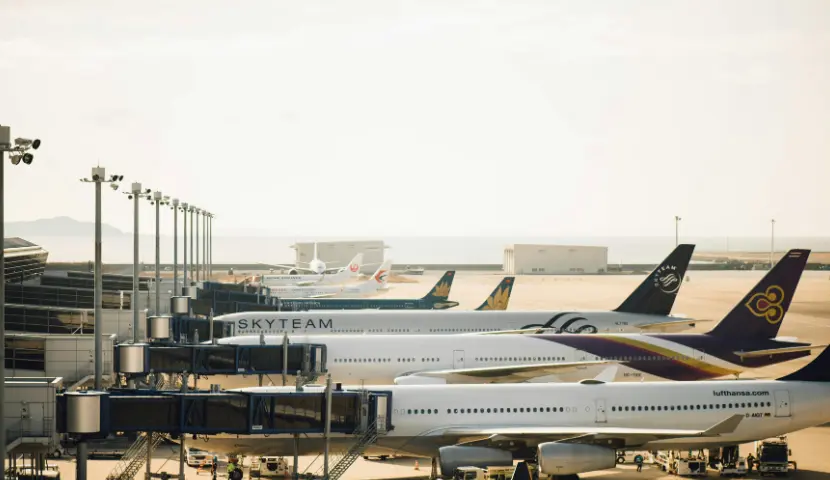
Siem Reap is Cambodia's temple town. The gateway to Angkor Wat and the vast archaeological park that surrounds it. Road and eventually through a small airport almost inside the city itself for centuries travelers arrived by river that changed in October 2023. Siem Reap Angkor International Airport, SAI, is where you will now land. It is located about 50 kilometers southeast of the city center in Sotr Nikum District. It is a huge, brand new airport built to handle the next 30 years of growth. This guide will help you navigate it without stress.
Siem Reap Angkor International Airport
Siem Reap now has two airports on the map. But only one in operation. Commercial flights moved from the old Siem Reap International Airport (REP) to SAI from 16 October 2023. Siem Reap Angkor International Airport, SAI, with the code (IATA: SAI; ICAO: VDSA).
SAI is a completely different scale of airport. It is built with Chinese investment and designed to handle 7 million passengers in the first phase and up to 12 million in the future. It is one of Cambodia's largest airports by planned passenger capacity. The terminal is a single, long, modern building with two main levels and a strong Khmer architectural influence. The roofline is inspired by traditional temple forms and the naga serpent. The interior uses a lot of local stone and wood, which gives it more warmth than many new airports in the region. The ground floor handles arrivals. You will walk through air conditioned corridors. The terminal is spacious and modern, with dedicated arrival and departure areas and multiple passenger boarding bridges.
Facilities are still growing into the space inside. You will find cafes, including Costa Coffee and local Khmer coffee shops, a handful of restaurants airside, duty free shops, souvenir shops, a pharmacy, ATMs, currency exchange counters, and baby care rooms. There are also two business class lounges airside, operated by Plaza Premium and another local provider. Free Wi-Fi is available throughout the terminal, though speeds can vary when several large flights land at once. The airport is clean, quiet, well signed in Khmer, Chinese and English, and easy to navigate because everything is under one roof. The main adjustment for returning visitors is the size. This is no longer a walk across the tarmac airport which allow more time for walking to your gate.
Despite its size, SAI is straightforward for international arrivals. Most flights are from South Korea, China, Vietnam, Thailand, Singapore and Malaysia, with seasonal charters and increasing connections to other Asian hubs. If you are flying from Europe, North America or Australia, you will almost always connect through Bangkok, Singapore, Ho Chi Minh City or Kuala Lumpur.
Cambodia offers several visa options. Many nationalities can get a Tourist Visa on Arrival at SAI, valid for 30 days. You will need a passport valid for at least six months beyond your entry date. One passport sized photo, and cash in US dollars for the fee. As of 2026, the fee is 30 dollars for a tourist visa and 35 dollars for an ordinary visa. However, the visa on arrival queue can be very slow when two or three wide body flights land together.
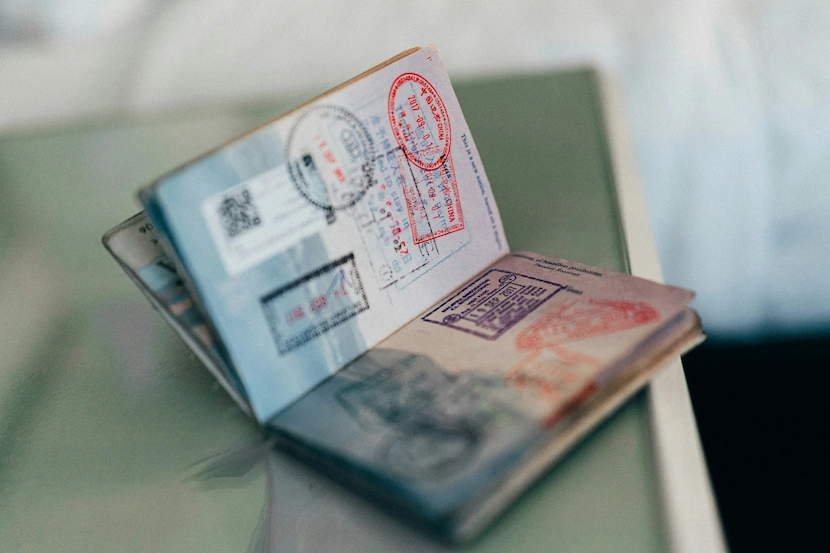
The most practical route for most travelers is the eVisa. You apply online at evisa.gov.kh before you travel. You can upload a photo and pay by card. The Tourist eVisa is valid for three months from the date of issue and permits a stay of up to 30 days. It is accepted at SAI and saves you a significant amount of time on arrival. You can double check that your entry point is listed correctly and that the details match your passport exactly. A small number of nationalities are not eligible for eVisa and must arrange a visa through a Cambodian embassy. In advance, so you can check your specific situation before you book.
After you clear immigration, baggage claim is clearly signed. The hall has eight carousels and moves efficiently for an airport of this size. Trolleys are free. As with any Cambodian airport, customs is usually a quick walk through, but officers may ask about large quantities of new electronics in original boxes, large amounts of tobacco or alcohol above the duty free limit, or drone equipment. If you are carrying a drone, be aware that drone use around Angkor Archaeological Park is subject to APSARA Authority regulations and permission requirements. Keeping drones in checked luggage and carrying permits if you have them avoids unnecessary delays. For lost luggage, there is a desk in the arrivals hall near the carousels staffed by ground handling agents. You can keep your baggage tag until you have cleared customs.
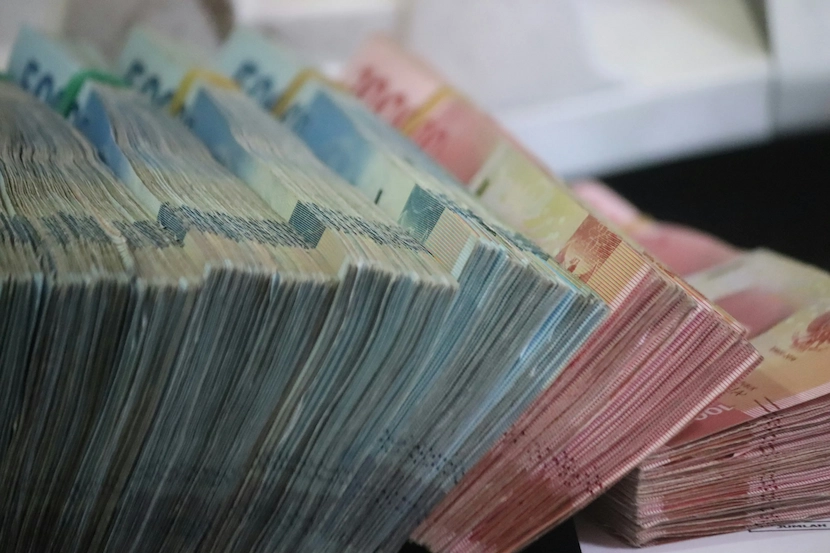
Cambodia commonly uses both the Cambodian riel (KHR) and US dollars. Riel is increasingly preferred for small transactions, while US dollars remain widely accepted. But change is often given in riel and small transactions in town are easier in riel. At SAI, currency exchange counters are available in the arrivals hall before and after customs, as well as airside in departures. The rates are acceptable but not excellent. Withdrawing cash from ATMs is a better option for most people. ATMs from ABA Bank, Canadia Bank and others are located in arrivals and airside. ATM fees vary by bank and card issuer, so check the fee displayed before confirming the withdrawal. Withdraw a reasonable amount on arrival, as you will need cash for tuk tuks, small restaurants, temple drinks stalls and market shopping in Siem Reap.
SIM cards and tourist eSIMs are available at the airport for mobile connectivity. Three main providers operate in Cambodia are Cellcard, Smart and Metfone. All have counters in the arrivals hall selling tourist SIMs with data packages for 7, 15 or 30 days, typically costing between 5 and 15 dollars. The process is quick but can involve a queue when a large flight from China or Korea has just landed. The staff will register the SIM with your passport and install it for you.
If you want to avoid the queue entirely, consider buying a Cambodian eSIM online before you travel. Providers like Cellcard and Smart now offer eSIMs that you can activate before landing, so you have data as soon as you switch off airplane mode. Coverage is excellent in Siem Reap town and around the main temples, though it can be patchy at remote temples like Beng Mealea.
There is also a small convenience store and a pharmacy in arrivals where you can pick up water, snacks, mosquito repellent and other essentials before the long drive to town.
This is the biggest change compared to the old airport. SAI is about 50 km east/southeast of Siem Reap city centre , and the drive takes 45 to 70 minutes depending on traffic and where your hotel is. There is no train and no ride share pickup inside the terminal itself in the way you might expect in other countries. Plan your transfer in advance.
The official airport shuttle bus is the cheapest option. It is operated by the airport. It runs on a fixed schedule between SAI and downtown Siem Reap, with stops at the main bus station and near the Old Market area. Buses are air conditioned, have space for luggage, and the airport shuttle bus is the cheapest option. It operates on a fixed timetable between SAI and central Siem Reap, with a one-way fare of about USD 8 per person and can be bought at a counter in the arrivals hall or on the bus. It is reliable and good value if you are traveling light.

Taxis and private transfers are the most common choice for most visitors. A fleet of licensed airport taxis waits outside the arrivals exit, managed by a counter inside the hall where you pay a fixed price based on vehicle type. A standard sedan to central Siem Reap typically costs 35 to 40 dollars, a minivan 45 to 55 dollars. Prices are fixed and posted, so there is no need to bargain. But confirm whether the price includes tolls and parking. The cars are generally new and drivers are professional, though English may be limited.
Hotel shuttles are offered by almost all mid range and luxury hotels in Siem Reap and are worth asking about when you book. Many hotels include the transfer in the room rate for longer stays, or charge a similar rate to the airport taxis but with the advantage of a driver waiting with your name and tracking your flight. If you arrive late at night, this is the least stressful option. App-based ride-hailing pickup arrangements can be less straightforward at SAI than in the city, so many visitors prefer the official shuttle, airport taxi or a pre-arranged hotel transfer. If you want to use them, you would need to walk well outside the airport gates, which is not practical given the distance and heat. For the airport leg, you can use the official shuttle, taxi or hotel transfer, and save Grab for getting around town.
One practical tip
You should keep your seatbelt on. The new airport expressway is fast and well paved, but the last stretch into town is busy with motorbikes, tractors and water buffalo.
Departures from SAI are calmer than at many Southeast Asian airports, but its distance means you need to allow more time than you used to.
Aim to leave Siem Reap town at least three and a half hours before an international flight and two and a half hours before a domestic flight to Phnom Penh or Sihanoukville. This gives you an hour for the drive and two hours for check in and security, with a buffer for traffic or for the long walk to your gate. During high season from November to February, and around Khmer New Year in April, you can check in queues can be long, particularly for flights to South Korea and China.
Online check in is available with most carriers serving SAI, including Cambodia Angkor Air, Vietnam Airlines, Singapore Airlines, Bangkok Airways and Korean Air. If you have only hand luggage, you can go straight to security after getting your boarding pass. At security, laptops, large power banks and liquids need to come out of your bag. Power banks over 100Wh need airline approval, and over 160Wh are prohibited. Airside, there is a decent selection of duty free shops selling alcohol, tobacco, perfume and local souvenirs like Kampot pepper and silk. Prices are higher than in town, so do your main souvenir shopping before you leave Siem Reap. There are also several cafes and a food court with Khmer and Western options. The business lounges offer more comfortable seating, Wi-Fi and light food if you have a long layover.
One note on shopping refunds
Cambodia's VAT refund rules are not the same as Thailand's tourist shopping refund system. Check the latest Cambodian tax guidance if you are making a high-value purchase.
SAI is a big step up for Siem Reap. It is modern, spacious, well organized and built for the future. The only real drawback is the distance from town, which makes advance planning essential. You should sort your visa online, have cash ready, book your transfer before you land, and arrange your SIM or eSIM ahead of time. If you do that, and getting in and out of the temple town will be far smoother than you might expect for an airport that only opened so recently.
Related articles: