




Ciao splendida Sole !
Abbiamo visionato il sito e l abbiamo trovato fatto molto bene e interessante, riteniamo che sia di facile comprensione e con tutte le...
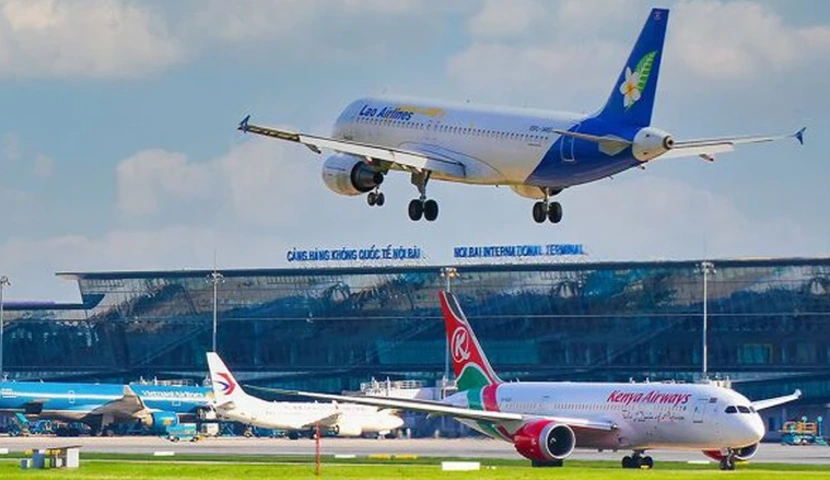
Vietnam is continuing to grow as a desirable travel destination for travellers from all over the world. The country offers amazing scenery, rich culture, and incredible culinary offerings across all three regions. But this rapid growth is also putting pressure on its airports - and for first-time visitors especially, navigating arrivals and departures can be more stressful than it needs to be. Hopefully, this article can change that. With the right digital tools, a basic understanding of immigration rules and a few smart choices on transportation, you can cut down your transit time significantly and start your trip smoothly.
Tips to save time at the airport
1. Pre-Departure: Document & Flight Preparation
2. At the Airport: Check-in & Security Tips
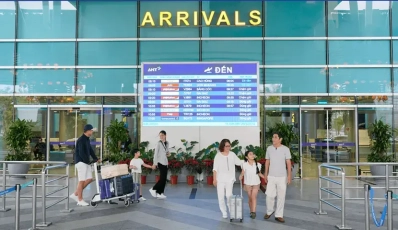
3. Arrival: Speeding Through Immigration
4. Baggage & Customs: Avoiding Common Delays
5. Money: Managing Currency & Payments
6. Transport: Getting to Your Destination
7. Transfers: Navigating Terminal Connections
The first step to avoiding delays at the airport happens before you even leave home. This means getting your paperwork sorted and double-checking your details when applying for your visa. You can conveniently enter Vietnam through the e-visa system, which lets travellers from most countries register online for a 90 day visa quickly and at a low cost. One thing to watch out for make sure the entry port listed on your e-visa matches the airport you're flying into. If they don't match, you could be held up at immigration and that's the last thing you need after a long flight. It goes without saying but keep your physical passport and visa documents on you throughout the whole process.
As an extra step, consider buying an eSIM before you arrive. This lets you skip the often long queues at SIM card kiosks at the airport and means you'll be able to go online and make calls the moment you land.
Check in online: Most major carriers flying out of Vietnam open online check-in 24 hours before departure. Both Vietnam Airlines and Vietjet both follow this window. Checking in online means you can go straight to the bag drop queue (if you have checked luggage) or head directly to security if you're travelling with carry-on only - saving a good chunk of time at the airport. In many cases, checking in early online also allows you to select the seat that you want without having to pay extra. It also prevents you from being pushed to later flights due to overbooking during peak season.
Sorting your luggage: You should know how much and what you're allowed to bring with you on flights to your destination in Vietnam. For budget airlines like Vietjet, they may not offer free checked baggage, so remember to check and purchase additional luggage if you intend to have checked bags. Most other airlines will allow around 10kg of carry-on and around 20kg of checked-in luggage. Checked baggage must not contain explosives or flammable materials, while carry-on baggage must not include e-cigarettes, sharp objects such as knives and scissors, or liquids exceeding the permitted limit. On top of these general restrictions, airlines worldwide have introduced increasingly strict regulations regarding power banks: While you are allowed to bring them, you must keep them with your carry-on, in your sight and the number is limited to 2 and the capacity to 100Wh (~27.000mAh) or less, so take note of this.
Going through security: Vietnamese airport security follows fairly standard procedures, but to avoid being stopped for a secondary check, make sure you take out the following items before going through the scanner: shoes, belts, laptops, and large power banks. Having these ready in a separate tray will keep the line continuous and save you from the hassle of being asked to step aside.
VAT refunds: If you've bought things from stores that are part of the VAT refund scheme, you can claim some money back before you fly home. Just make sure you do this before going through immigration - you can't turn back. Head to the VAT refund desk with your receipts, passport, and the items you bought. The desk is usually somewhere in the check-in hall, so try to find it early rather than scrambling for it when you're already short on time.
Timing: For international flights, aim to arrive at least three hours before departure to allow enough time for check-in, security and VAT refunds if needed. For domestic flights within Vietnam, arriving around two hours before departure should be sufficient.
Once your documents and flight are sorted, it's worth thinking about how to make the arrival process as smooth as possible. If your airline offers seat selection, choosing a seat near the front of the plane - or near a rear exit door if the plane allows deboarding from both ends - can give you a head start on getting off and securing a closer spot in the immigration line.
There are a few other ways to skip the long immigration lines if you dislike rushing to get off the plane. Vietnamese citizens and foreign nationals holding a Residence Card (when departing) can use the Autogate lanes, which move considerably faster. Note that this feature is currently not available to foreign visitors entering Vietnam. If you are willing to spend a bit more money for comfort, there are FastTrack services that accelerate your immigration experience.
If neither of those applies to you, a simple trick is to look for the lanes furthest from the entrance and escalators - these tend to have shorter queues since most people instinctively go for the lanes directly in front of them.
Baggage claim can also slow you down. To find your bag faster, make it unique by putting a brightly colored tag on it. If you’re tech-savvy, an AirTag or a similar tracking device tucked inside your bag lets you track exactly where it is, which can also help if your luggage gets delayed or misplaced.
It's also worth brushing up on what you're allowed to bring into Vietnam before you fly. Certain items can attract customs duties, so it's good to know what to expect. If you're bringing in new electronics like iPhones as gifts, take them out of the box before you travel. Sealed boxes can raise flags with customs officers who may assume the items are for resale rather than personal use.
Vietnam is moving towards cashless payments, but plenty of smaller shops, street food stalls, and local services still run on cash. For foreigners, having Vietnamese dong on hand will save you a lot of trouble.
To avoid wasting time, the easiest options are to exchange your currency before leaving home or to withdraw cash from ATMs at the airport on arrival. Banks like HSBC, TPBank, and Vietcombank have ATMs available at major airports. Just keep in mind that these may charge a withdrawal fee or offer slightly worse exchange rates than you'd get elsewhere, so it's worth checking with your home bank beforehand to see what fees apply on their end too.
Ride-hailing apps are by far the most popular way to get around in Vietnam, outside of having your own vehicle. The main ones are Grab, Be, and Xanh SM (the latter uses entirely electric vehicles, if that matters to you). If you've used Uber before, these apps work in exactly the same way. They all have English interfaces and accept international cards, so there's very little barrier to getting started. The big advantage of these apps over jumping into a random taxi is that the price is fixed before you confirm the ride - no surprises at the end of the journey. You can also apply discount codes, though most of these only work when you pay by card rather than cash, so it's worth adding your card to the app ahead of time. When your driver arrives, always double-check that the model and license plate on the app match the vehicle in front of you before you get in.
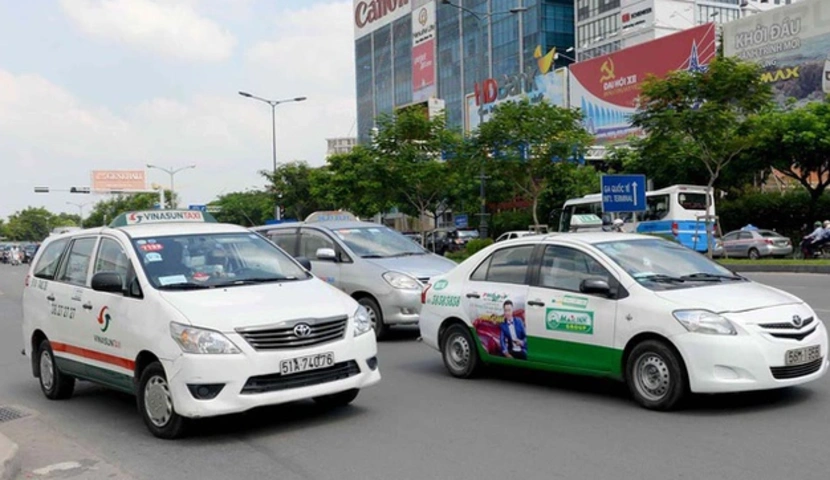
If you find the apps aren't working for you, look out for taxis from reputable companies like Vinasun or Mai Linh. These are metered and generally reliable. Avoid accepting rides from drivers who approach you directly in the arrivals hall, as these are almost always overpriced.
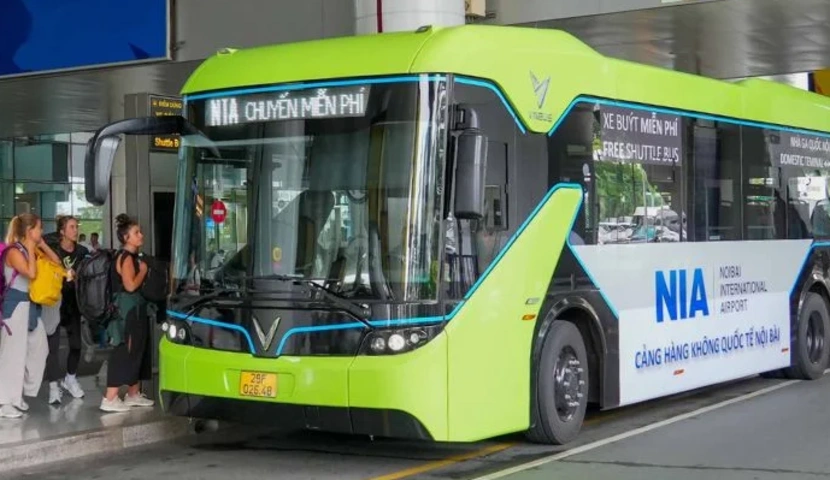
If you're connecting between a domestic and international flight (or vice versa), knowing the layout of the airport ahead of time will save you a lot of stress.
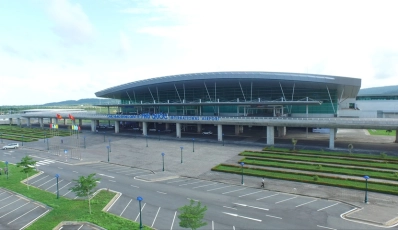
Noi Bai Airport (Hanoi): The domestic terminal (T1) and international terminal (T2) are separate buildings. There is a free shuttle bus that runs between them, but you should factor in at least 30-45 minutes for this transfer, including the bus wait time. You’ll see signs for the shuttle right outside each terminal. If you're in a rush, tell the staff at check-in so they can point you in the right direction.
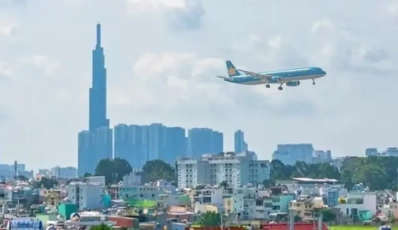
Tan Son Nhat Airport (Ho Chi Minh City): The two terminals here are actually connected and close enough to walk between them, which makes the transfer much easier. Despite what you might think, taking a taxi between the two terminals is not a good idea - the airport road gets crowded quickly and you'll almost certainly spend more time stuck in traffic than it would take to walk. Follow the signs inside the terminal and it’s only a quick 10 - 15 minute walk.
Vietnam is a fantastic country to explore, and the airports don't have to be the stressful part of the trip. A little preparation before you travel goes a long way - after all, a good start makes the whole trip so much better.