




Ciao splendida Sole !
Abbiamo visionato il sito e l abbiamo trovato fatto molto bene e interessante, riteniamo che sia di facile comprensione e con tutte le...
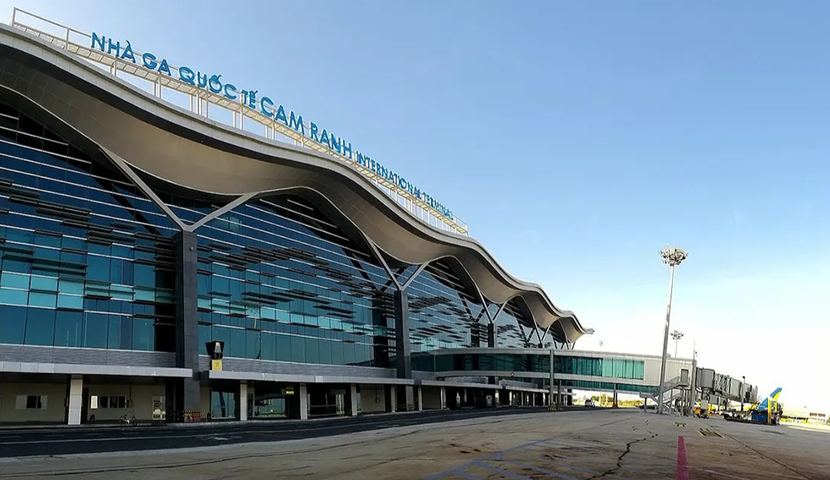
For most visitors to Nha Trang, the journey begins at Cam Ranh International Airport (CRX). Lying on the Cam Ranh Peninsula roughly 35 kilometers from the city, the airport is relatively small but efficient, making arrivals here relatively less overwhelming than at Vietnam’s busiest airports.This guide covers the key things to know before arriving at Cam Ranh Airport, from visas and immigration to transport and connectivity.
Cam Ranh International Airport guide
Four domestic carriers operate flights into Cam Ranh: Vietnam Airlines, VietJet Air, Bamboo Airways, and Pacific Airlines. There are quite a few options for departure: Hanoi, Hai Phong, Ho Chi Minh City, Phu Quoc, Da Nang, Vinh, and Thanh Hoa. Flight frequency on each route varies by season, and airlines typically offer more trips during peak season. Hunting for promotional tickets can secure you a flight with as little as 50-80 dollars, but typical prices during peak season can range from 100-200 dollars, so look out for good ticketing opportunities.
Cam Ranh Airport is not large by international standards, so do not expect the same range you would find in Ho Chi Minh City or Hanoi, but everything you need for a comfortable transit is there.
The airport has two terminals sitting side by side - a domestic terminal (T1) and an international terminal (T2), which opened in 2018. Both are modern, well-maintained, and easy to navigate. If you are transferring between a domestic and international flight, the terminals are a short walk apart, but allow yourself at least 60 to 90 minutes between connections to clear immigration and security comfortably.
Inside the terminals, you will find cafes and restaurants, currency exchange counters, ATMs (including Vietcombank and Agribank), and a small selection of retail and souvenir shops. The dining options are limited but functional - good enough for a coffee and a meal while you wait, though do not expect a wide variety. If you are departing on an early morning flight, it is worth grabbing something to eat before you arrive, as not all outlets open at the same time.
You can access the airport website at https://camranh.aero/mapv2/ to see an interactive map of the airport with all utilities listed.
The airport serves domestic routes as well as international connections to South Korea, China, Russia, and several other Southeast Asian countries, with schedules that vary by season. For international arrivals, the immigration process is generally straightforward, provided your documents are in order before you land.
The e-visa is the most convenient option for most nationalities. Foreign visitors can apply for this online at the official government portal (evisa.xuatnhapcanh.gov.vn). It covers a 90-day stay and removes the need to queue at a visa-on-arrival desk. It typically takes three days to process, but there may be a need to supplement information, so try to apply well in advance of your trip to avoid any troubles. Whichever visa type you use, double-check that the entry port listed on your application matches the flight you booked to Cam Ranh - a mismatch can cause unnecessary delays at immigration.
Once through immigration, you can move to the baggage claim, which is clearly signposted and moves quite efficiently. Cam Ranh does not handle the volume of arrivals that major hubs do, so the waiting time at the baggage claim is usually reasonable. If you are traveling with valuable electronics, take note that items that appear new and boxed can attract the attention of customs officers, as they can look like goods brought in for resale. Unboxing anything you plan to declare as personal use before you fly is a simple way to avoid a stop at the customs desk.
If you were not able to exchange currency at home, you can find currency exchange counters in the arrivals hall and airside. However, as with most things, rates at the airport are often not the most competitive.
You can also use the ATMs on site to withdraw Vietnamese dong - just keep in mind that a withdrawal fee is usually applied to international cards. Vietnam is moving towards cashless payments, and Nha Trang's larger hotels, restaurants, and shops will generally accept cards without issue. That said, cash remains useful at local markets, street food stalls, and smaller shops, so withdrawing a reasonable amount on arrival saves the trouble of finding a bank later in your trip.
To ensure connection, you can visit SIM card kiosks from Viettel, Mobifone, and Vinaphone available in the arrivals hall. These are Vietnam’s most popular providers, offering affordable tourist packages with solid data allowances. If you are planning to visit more remote areas, Viettel is the recommended option for network coverage.
Lines can be slow at peak times, so buying a Vietnam eSIM before you travel is the simpler option as it gives you data from the moment you land with no waiting around.
It can take between 45 minutes and an hour for the trip to Nha Trang city center, depending on traffic. The 35-kilometer drive to Nha Trang city center. The road connecting the airport to the city passes along a stretch of coastline that offers some genuinely impressive views - a pleasant introduction to Khanh Hoa if it is your first time visiting. There are several reliable ways to make this trip:
Ride-hailing apps are the most straightforward option for most travelers. Grab, Be, and Xanh SM all operate in the area and offer pre-determined, transparent pricing with English-language interfaces. Download the app before you land and add your payment card - this avoids the need for cash and keeps the whole process simple. Before getting in, check to see if the car model and license plate of the vehicle match what is shown in the app.
Airport taxis are available outside the arrivals hall, with branded booths and staff who can speak English and are generally knowledgable about your destinations. Look out for reputable providers such as Mai Linh or Vinasun, and make sure the meter is running. Avoid unmarked vehicles or drivers who approach you directly inside the terminal. There is a possibility that private drivers will try to charge you more than the trip is worth, and using a known provider removes that risk.
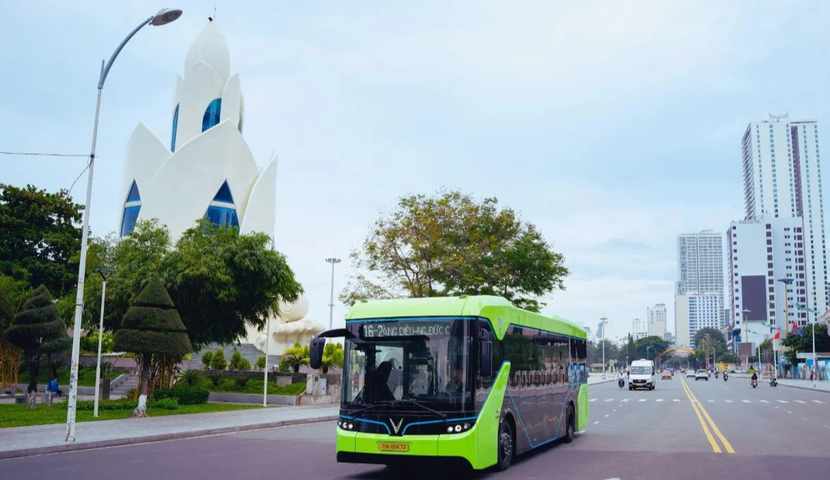
Shuttle buses run between the airport and Nha Trang, stopping at major hotels along the way. They are the most affordable option, though the journey takes longer due to multiple stops - worth considering if you are on a budget and not in a hurry. For travelers staying at Vinpearl or other larger resorts in Khanh Hoa, the bus can also be a surprisingly convenient choice - check in advance on the Vinbus website for whether your accommodation is on the route. The buses are spacious, rarely crowded on departure from the airport, and staffed by a well-trained crew, so there is no reason to rule it out even if you are used to traveling by taxi.
You can also ask for a private transfer from your accommodation or tour operator. This option is usually a fixed rate and door-to-door. If you are arriving late or traveling with a group, this is often the most convenient choice. However, make sure to check the pricing first and consider your options if you are budgeting your trip.
After a relaxing stay in Nha Trang, the last thing you want is a stressful departure. Aim to arrive at least two hours before a domestic flight and three hours before an international one. Cam Ranh is not a chaotic airport, but departure lines build quickly during peak season - particularly domestic flights fill up over the summer months, while international departures tend to be busiest around the December holiday period.
Online check-in is available with most carriers, including Vietnam Airlines and VietJet, and completing it 24 hours before your flight lets you skip the check-in desk line entirely. If you are traveling with checked luggage, proceed directly to the bag drop counter, which is typically much faster than the standard check-in queue. At security, laptops and large power banks need to come out of your bag, and belts and shoes may need to be removed - keeping these items easily accessible in your carry-on saves time at the checkpoint.
Overall, Cam Ranh offers a straightforward arrival experience that complements Nha Trang’s relaxed atmosphere. Taking care of your visa, transport apps, and mobile connectivity ahead of time will help you start your trip with minimal stress.
Related articles:
>> Guide about Vietnam International Airports