



Ciao splendida Sole !
Abbiamo visionato il sito e l abbiamo trovato fatto molto bene e interessante, riteniamo che sia di facile comprensione e con tutte le...
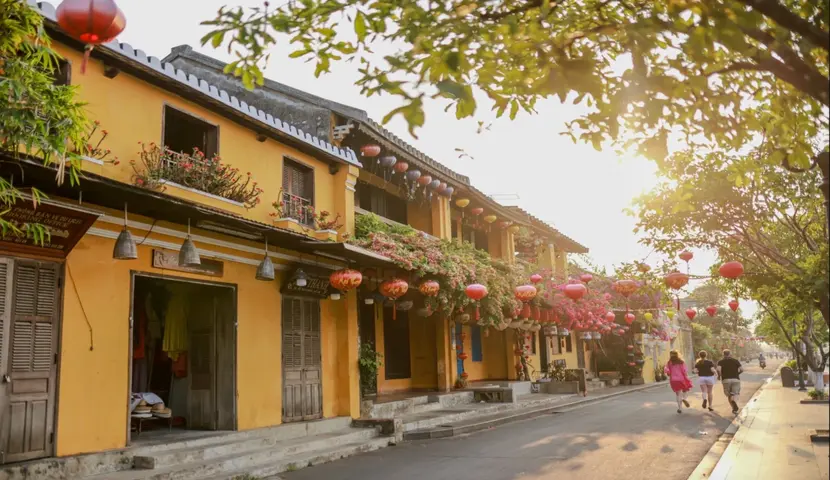
The weather in Hoi An carries a unique charm in every season, painting a breathtaking picture that captivates every traveler. If you’ve ever wondered " When is the best time to visit Hoi An?", let’s find the answer in this guide by Vietnam Travel Price !
1. Introduction about Hoi An
2. The Dry Season
3. The Rainy Season
4. Highlights of the Hoi An Calendar
5. Where to Stay in Hoi An ?
6. Practical tips for each season
Hoi An - famous for Hoi An Ancient Town - has been recognized as a UNESCO World Cultural Heritage site since December 4, 1999. Located on the central coast of Vietnam, Hoi An is one of those places that feels magical no matter when you visit. It can be recognized with old-world architecture, cobbled streets, and distinctive yellow shop fronts festooned with colorful lanterns. Of course, Hoi An is always on the bucket list of every guest when they come to South East Asia.
The average annual temperature hovers around 25°C, which is an ideal temperature to go out in Vietnam. However, this average hides a dramatic range from cozy nights at 18°C (~64℉) in January to super hot summer afternoons that can hit nearly 40°C (~104℉). Besides, Hoi An has two identical seasons: Dry season and Rainy season. It could be an amazing trip if you want to enjoy the sun and come in the dry season, but could be terrible for anyone who cannot stand the heat. The information below will help you to be well-prepared before coming to Hoi An and spend the best time here.
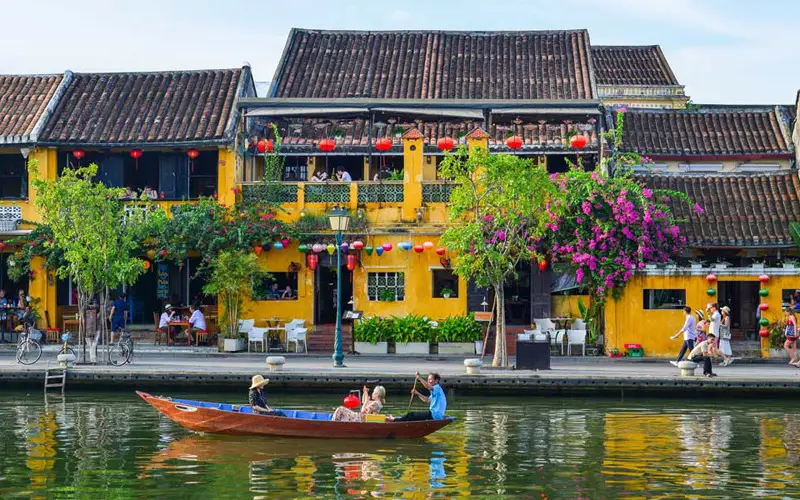
The dry season in Hoi An lasts from February to August. It is often called the "postcard" version of Hoi An: the sky is blue, the sun is shining, the river is calm, and the yellow walls of the Old Town seem to glow in the sunlight.
2.1 Early Dry Season (February to April)
Ask any local and they will tell you this is the most beautiful time of the year. The humidity is low, and the air is crisp. Many tourists agree this is the best time to go to Hoi An Vietnam because the vibe is energetic yet gentle. This is the peak time for walking tours. You can wander the narrow alleys for hours without breaking a sweat. It is also the best time for cycling tours through the Cam Thanh coconut groves or the Tra Que vegetable village, where the greens are at their most vibrant. You should also go for a walk around Hoi An ancient town to try some Vietnamese coffee to enjoy the slow-paced life here.
Specifically, this period often hosts the Tet (Vietnam Lunar New Year). You will see Hoi An at its most traditional - decked in apricot blossoms and red envelopes. Everyone will wear Ao Dai - the Vietnam traditional clothes and visit pagodas. However, most shops will be closed as this is the biggest and most important holiday in Vietnam.
2.2 High Summer (May to August)
As May approaches, the heat begins to climb up higher. From June to August, the sun is at its strongest. This is the ultimate time for anyone needing “Vitamin Sea” (Beach lovers). An Bang Beach and Cua Dai Beach are just a short drive from the central of Hoi An Ancient Town, offering turquoise waters and refreshing sea breezes. At this time of the year, the calm seas are perfect for snorkeling or taking a speedboat to the Cu Lao Cham (Cham Islands), where the coral reefs are visible through crystal-clear water.
Tip for traveler: If you visit during these months, you should explore early in the morning (6:00 AM – 10:00 AM), retreat at a café or at your hotel at noon, and go out again when the sun begins to set.
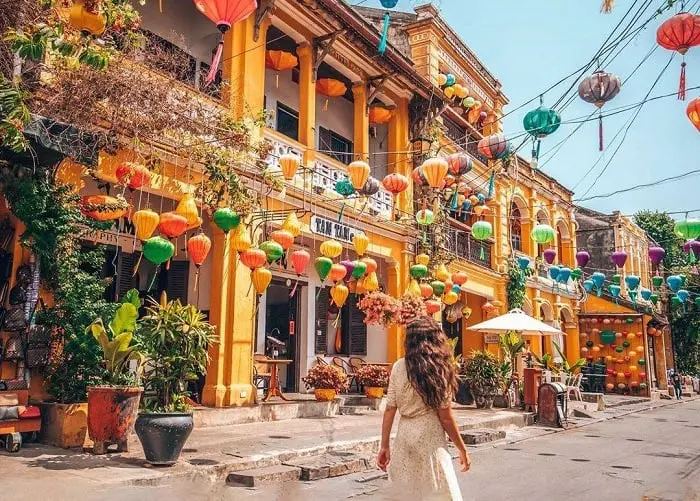
The rainy season in Hoi An lasts from September to January next year. Many travelers avoid the rainy season, but they might miss out on a side of Hoi An that is beautiful and deeply peaceful.
3.1 The peak of rain (October – November)
These are the wettest months of the year. Tropical downpours can be heavy and persistent that prevents you from going anywhere. Moreover, Hoi An is located downstream of the Thu Bon River. On hard raining days, the river can overflow, making the streets of the Ancient Town become canals. Instead of walking, locals and tourists have to use boats or kayak to move. It is such an once-in-a-lifetime experience to see the eaves of ancient houses reflected in the floodwaters.
However, you should consider carefully if you have a tight schedule. Flights can be delayed for hours due to this is also stormy season.
3.2 The low season perks
Travelers on a budget or solo travelers will find the rainy season is an ideal time to visit Hoi An Vietnam. The airfare and luxury accommodations are often lower cost with feature significant promotions. Not so many tourists come at this time so the ancient town is kinda quiet. You can have a famous Banh Mi Phuong (Phuong Bread) or a seat at a popular riverside café without the long queue. The weather may become a bit cold so sitting in a dark-wood tea house, listening to the rhythm of the rain against the roof while sipping hot Vietnamese coffee would be the best thing to do.

4.1 The Lantern Festival (Monthly)
Regardless of the season Hoi An celebrates the Full Moon Lantern Festival on the 14th day of every lunar month. The town turns off its electric lights, and only the soft glow of lanterns illuminates the streets. It is most spectacular in February (the first full moon of the year).
4.2 Traditional Craft Villages
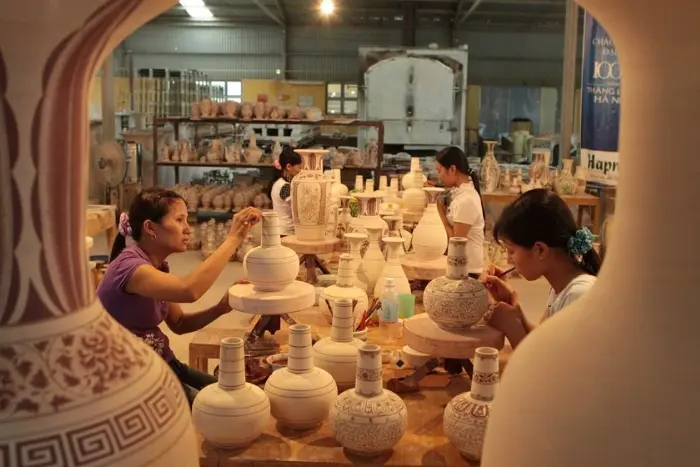
Thanh Ha Pottery Village : In the dry season, you can watch the artisans dry their clay creations in the sun. In the rainy season, the indoor museum provides a fascinating historical escape.
Kim Bong Carpentry Village : A short boat ride away, this village is best visited in the morning during the dry season to see the woodworkers in action.
There are many places to stay in Hoi An from traditional places to modern, luxury ones. It’s totally based on your type, budget and need for experience. Hereby there are some recommendations for your stay when you are in Hoi An, Vietnam.
5.1 High-end resorts and hotels
For those seeking luxury the price for a night at a 4 or 5-star hotel or resort typically starts from 2,500,000 VND for a double room. The accommodation landscape in Hoi An is in a constant state of evolution, with many breathtaking new resorts opening their doors in prime locations such as the Cam Chau ward, as well as along the picturesque beaches of An Bang and Cua Dai.
5.2 The homestay experience
There are plenty of homestays in Hoi An, providing accommodation for all types of tourists, whether they are solo adventurers, groups of friends, or families. These are not just places to sleep; they are also a blend of traditional aesthetics and modern comfort. Many homestays are decorated with a concept like a common home to make guests feel like home as much as possible. One of the most significant advantages of staying in a homestay in Hoi An is that they have a very reasonable price. The prices are stable even during the high season, at as low as 200,000 VND per person per night.

To enhance your experience during your trip in Hoi An, I would recommend you to do some of the things below:

In my opinion, there is no perfect time to go to Hoi An. No matter when you arrive, the town will greet you with open arms and a story to tell. Here is some recommendations if you want to choose which time would suit you best:
Choose March or April if you want to enjoy the cool weather
Choose June or July if you are a beach lover and want to dive for coral
Choose October to witness the power of the monsoon and the resilience of the local culture.
Choose December or January if you want to find calm in your mind and prefer the rain to the sun.