

Ciao splendida Sole !
Abbiamo visionato il sito e l abbiamo trovato fatto molto bene e interessante, riteniamo che sia di facile comprensione e con tutte le...
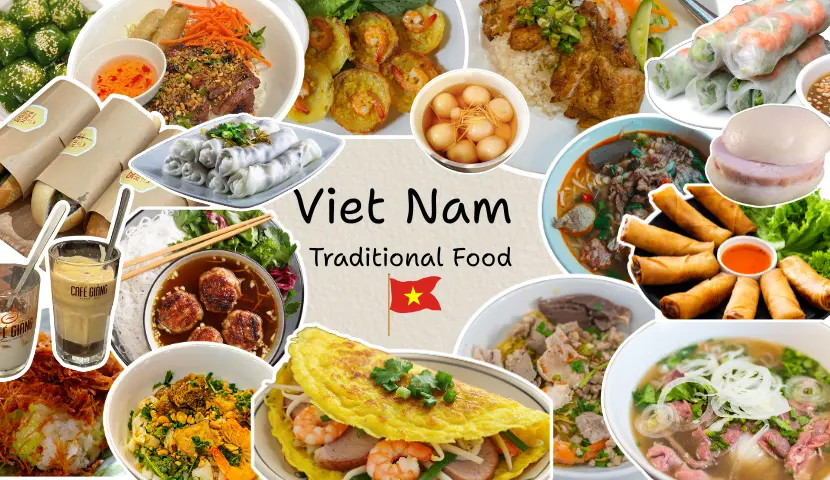
If someone were to ask me what I like about Vietnam, I wouldn't hesitate to tell them, "I love my country's cuisine." Indeed, I would show them pictures of simple street food stalls or simply invite them to a warm family meal. I'm sure that for me, and for other Vietnamese people, we share the same sentiment. Cuisine is always a source of pride for Vietnam, a country with a history spanning thousands of years. It's not just about filling a hungry stomach; it also holds many stories behind each dish. That's why so many tourists are fascinated by and eager to experience Vietnamese food. Let's explore why Vietnamese cuisine is so appealing!
Vietnamese traditional dishes
1. Food as the Language of Vietnam’s Soul
2. Northern Vietnam - The Taste of Purity and Elegance
3. Central Vietnam - Bold, Spicy, and Intense Flavors
4. Southern Vietnam - Fresh, Sweet, and Generous
5. The Meaning of Traditional Food in Folklore
6. Vietnamese Traditional Dishes: No Borders, No Limits
7. Conclusion - The Taste of Home
Looking around at Vietnam's neighboring countries, where dishes are cooked with intense spiciness like Thailand or are rich and oily like China, Vietnamese cuisine manages to balance all those flavors in a single dish. Believe it or not, that's the formula for harmonious "five flavors." Sourness comes from tamarind or star fruit, combined with the pungent spiciness of pepper and chili, blended with the saltiness of fish sauce, the sweetness of bone broth, and finally the freshness of herbs and spices. That's the general philosophy; however, each region of Vietnam has its own unique culinary story behind its dishes, making them unlike any other. For example, even with the same type of pho, you'll find that “Phở” in the North has different noodles than “Phở” in the South. Similarly, the climate in Central Vietnam makes dishes slightly saltier and spicier than those in other regions. This is the diversity in traditional cuisine created and adapted by our grandparents and parents, reflecting the stories and regions they live in. Therefore, it's not an exaggeration to say that cuisine is the soul of a country or a region. Vietnam has three regions, so let's explore the distinctive culinary characteristics of each.
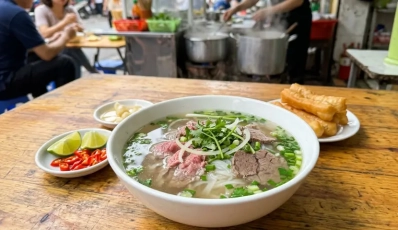
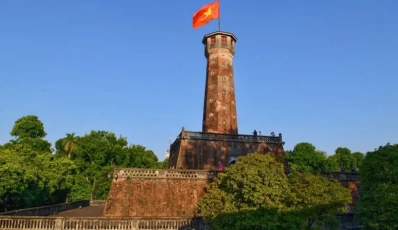
Let's explore Northern Vietnamese cuisine. If we had to summarize the various aspects of Northern Vietnamese cuisine for tourists to easily visualize, it would be “Thanh” (Purity/Lightness). But that's not all; the flavors of Northern Vietnamese cuisine are enough to soothe the hearts of anyone who has tried them. With basic ingredients like golden rice noodles, green scallions, thinly sliced omelets, and beef... cooked meticulously and presented perfectly, I'm sure everyone will be amazed and exclaim after the first bite. Here, Hanoi is the capital of Vietnam, so the capital's cuisine is representative of Northern Vietnamese cuisine. Typical dishes include “Phở”, with its fragrant, rich broth that's not too heavy, perfect for a leisurely breakfast, subtly scented with cinnamon, star anise, and cardamom. Or the legendary “bún chả”, with its charcoal-grilled pork patties served with rice noodles, sweet and sour dipping sauce, and fresh vegetables. And there are many other dishes such as Bún thang, Bánh đa cua, Xôi cốm...
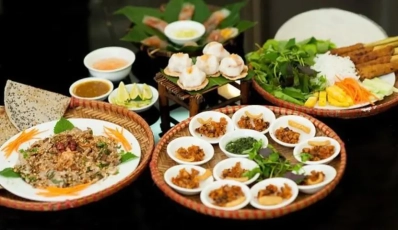
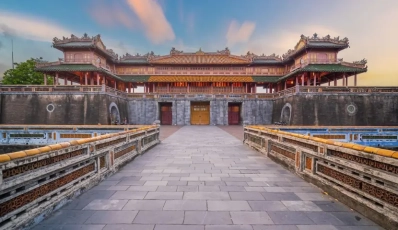
“Đậm” is the adjective I would use to describe the cuisine of Central Vietnam. Spanning 19 provinces from Thanh Hoa to Lam Dong, the cuisine here is shaped by the coastal terrain and harsher climate compared to other regions. Therefore, the people here favor strong flavors not only to enhance the taste of the dishes but also to warm the body and create a bright, rich flavor. In Central Vietnam, characteristic cuisines include Hue, where beef noodle soup is a prime example. Thick noodles are served with beef and fresh vegetables, with a touch of spiciness, a hint of saltiness from shrimp paste, and a touch of sweetness from the beef. Or try the green-crusted “bánh xèo” (Vietnamese savory pancake) with its golden crust, filling of beef, egg, or shrimp (depending on the region), served with green vegetables and a sweet and sour dipping sauce – simply amazing. Some other dishes you can try include bánh canh chả cá Nha Trang, nem nướng, Cao lầu...
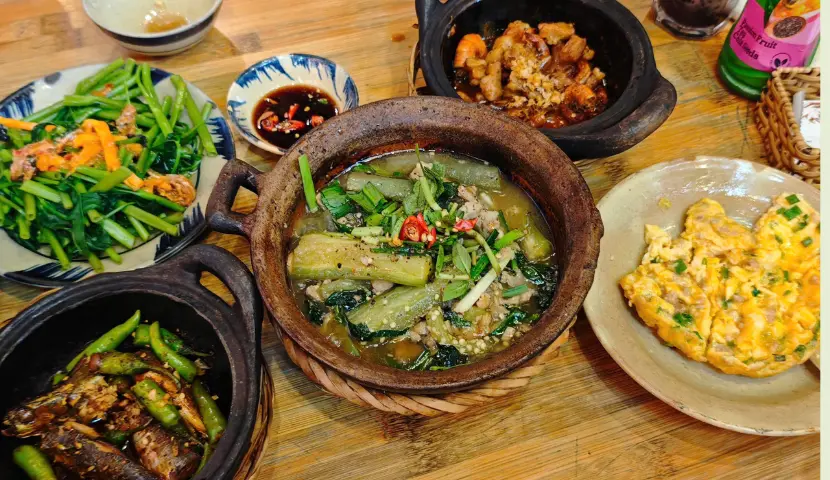
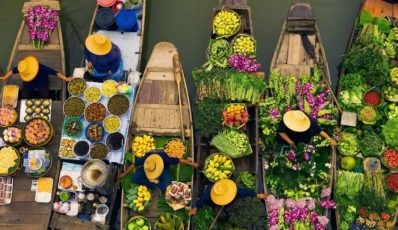
Southern Vietnam, blessed with abundant natural resources, a mild climate, and a wealth of ingredients, boasts a cuisine that is as generous, open, and straightforward as its people. Unlike the elaborate dishes of the North or the rich flavors of the Central region, Southern cuisine has a distinct character, with sweetness being the dominant flavor in most dishes. Don't assume that sweetness comes solely from sugar; that's only part of it. Southern dishes often utilize coconut milk and coconut cream to create a sweet and savory flavor, a delicate sweetness, and a rich, creamy taste. One of the must-try Southern delicacies is “cơm tấm” (broken rice), a simple yet beloved national dish, especially among Saigonese. The fluffy rice is served with grilled pork ribs, shredded pork skin, pork patties, pickled vegetables, and a sweet and sour fish sauce. Or trying “Gỏi cuốn”, a simple dish made from readily available ingredients, a delicate combination of shrimp and boiled pork with soft white rice noodles and aromatic herbs, neatly wrapped in a thin rice paper wrapper, and served with a smooth peanut sauce. Some other dishes you can try when visiting the South include Hủ tiếu, Phá lấu...
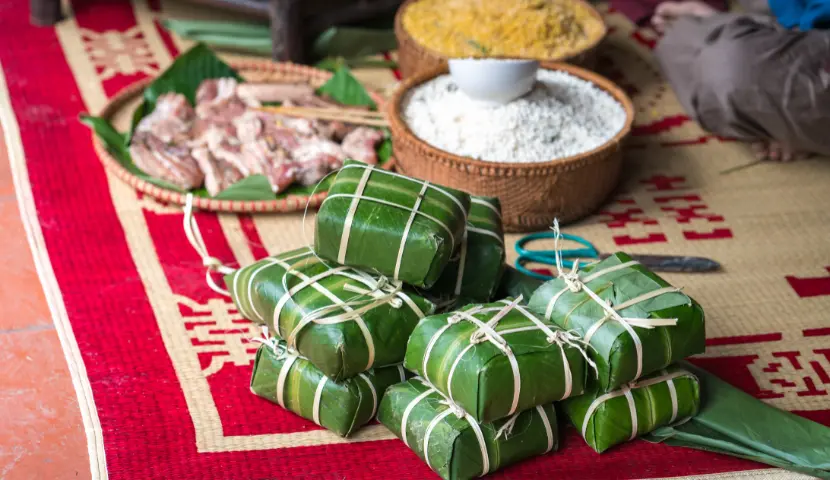
But you know, Vietnamese cuisine doesn't stop there. Behind each dish lies a profound spiritual and humanistic meaning that every Vietnamese person remembers. Besides everyday meals, special meals that only appear on holidays help Vietnamese people remember their homeland and roots. For example, the Lunar New Year must include “bánh chưng” and “Bánh tét” to symbolize round heaven and square, expressing gratitude to ancestors. Or “xôi gấc” appears in ancestral worship ceremonies and weddings symbolizes good fortune, happiness, and prosperity. Or “Phu thê” cake in wedding ceremonies represents fidelity... These are indispensable dishes on important holidays. These meanings create an invisible connection between generations. And I am sure that not only Vietnamese people in Vietnam but also Vietnamese people all over the world remember this with gratitude, remembering their roots and preserving the beautiful culture of Vietnam.
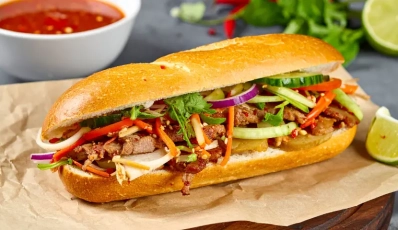
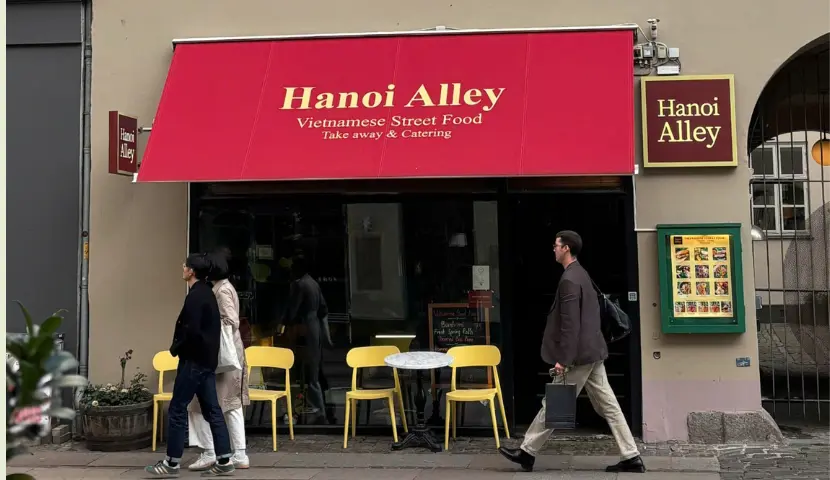
The Vietnamese culinary tradition is still lived in every breath, where you can find its ingredients. So we might be talking about the humble street stalls with their nostalgic grooves, or some nice restaurant on a sidewalk. But it’s even more proud that it has connected the world at large. And on those back streets of old Eastern Europe and bustling marketplaces in the United States and Japan, there is a sign that says “Vietnam” with a lot of little or no ceremony at all, waiting with the long lines of foreigners waiting for Phở or a Bánh Mì that will be the most convincing proof that our national cuisine is growing up.
Overall, Vietnamese traditional cuisine does much more than just eat food; it’s an expression of who you are and where you come from, and who you’ve been since you were kids. The land and people who have been able to sustain it, at least in the past decades, and the culture that supports, sustains, and maintains you is the soul of each dish. From the beautiful, delicate cuisine of the North to the hard-nosed cooking of the Central region to the rich, generous flavors of the South, an all-around happy feeling throughout each dish conveys this to all human beings across the country. From one cuisine to the next, Vietnam’s culture tells its story in that food, one dish at a time.
Related articles: