











Ciao splendida Sole !
Abbiamo visionato il sito e l abbiamo trovato fatto molto bene e interessante, riteniamo che sia di facile comprensione e con tutte le...
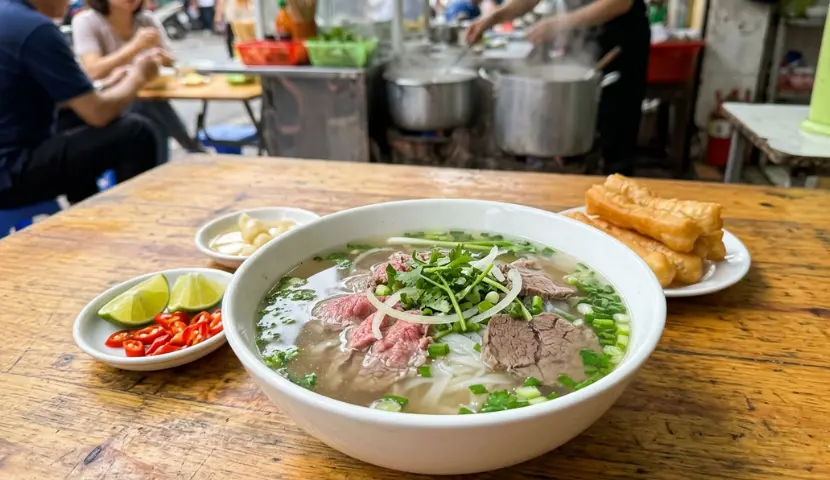
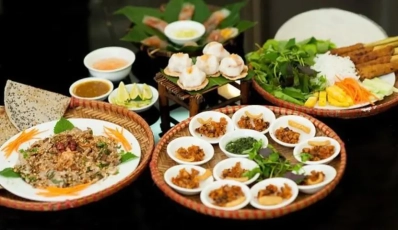
In the overall picture of traditional Vietnamese cuisine, Northern Vietnamese cuisine is always considered a gentle, refined, and deeply nationalistic portrayal. Among its dishes, some have achieved international recognition and increased awareness of Vietnamese cuisine. These dishes are not only familiar to the locals but also tell stories of history, geography, and culture for generations living in this region. Each flavor is a unique brushstroke, not ostentatious in appearance but possessing a special allure through its subtlety and balance, evoking different stories that are both simple and profound. From steaming bowls of beef pho to simple home-cooked meals, each dish carries a quiet, elegant quality, reflecting the rhythm of life here.
Northern Vietnamese cuisine is distinguished by its balanced cooking style. It's not as spicy as Central Vietnamese dishes, nor as sweet as Southern Vietnamese cuisine. Traditional Northern dishes prioritize freshness and preserve the natural flavors of each ingredient, harmoniously combining them to create light yet profound dishes that are also healthy.
Using familiar everyday spices like fish sauce, onions, ginger, and lemongrass, chefs skillfully use just the right amount to enhance the aroma and stimulate the taste buds without overpowering the main ingredients. Therefore, when enjoying Northern Vietnamese cuisine, diners not only experience the flavors through taste but also appreciate every aspect of the dish.
If you're interested in Northern Vietnamese cuisine, let's explore some of the outstanding dishes that symbolize the culture and people of Northern Vietnam!
Traditional dishes in Nord
1. Pho Hanoi
2. Bun cha Hanoi
3. Banh da cua Hai Phong
4. Xoi cha muc
5. Northwestern smoked buffalo meat
6. Bun thang
7. Bun dau mam tom
8. Hanoi young green rice
When talking about Northern Vietnamese cuisine, especially Hanoi, it would be a huge oversight not to mention Hanoi Pho. Pho is a traditional dish that is very popular in Vietnam because of its refreshing and pleasant taste. From a humble dish, Pho has risen to become the number one favorite dish for every tourist who has the chance to visit Vietnam.
From the early morning, restaurants are already bustling with preparations. Pots of broth steam rise in the early morning air. What could be better than starting a new day with a hot bowl of pho accompanied by a poached egg?
Although Pho is widely available throughout Vietnam, an authentic bowl of Pho must be cooked by a Hanoian and enjoyed in the Hanoi climate to be considered truly authentic. The broth of Hanoi Pho is simmered for hours with cinnamon, star anise, ginger, and onions, creating a clear, light, and deeply flavorful broth. This is also the skill of the chef in adjusting the cooking time to create a delicious broth with a subtly alluring aroma.
The rice noodles should be both soft and thin, allowing diners to feel the chewiness of each strand. The meat can be rare or well-done, brisket or flank, depending on individual preference. A truly authentic bowl of pho doesn't usually have too many seasonings; just a little chopped scallion, a few slices of chili, and some lime to enhance the flavor, along with a few sprigs of herbs, is enough to leave a lasting impression from the first bite, creating a warm and comforting feeling.
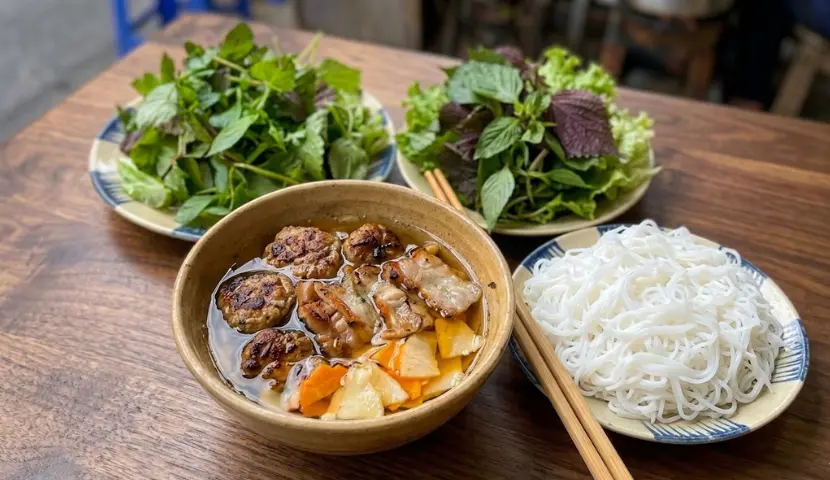
Bun cha is one of the quintessential street foods of Northern Vietnamese cuisine, deeply rooted in the culture of the capital city. The image of charcoal-grilled pork patties, fanned by hand, with smoke billowing from the grills, fills the streets of Hanoi. This image is both familiar and unforgettable when people think of Hanoi.
Without overly elaborate ingredients or complicated preparation methods, Hanoi's bun cha still manages to win over even the most discerning diners thanks to its harmonious flavors and refined cooking techniques. The highlight of the dish is the perfectly seasoned pork, grilled over charcoal until golden brown and slightly charred, releasing a distinctive aroma. While seemingly simple, the challenge lies in ensuring the pork is evenly golden on the outside while retaining its moisture on the inside. The grilled pork is enjoyed with soft, chewy rice noodles and various fresh vegetables. However, a truly delicious bun cha is incomplete without a dipping sauce with a harmonious sweet and sour flavor. Using only simple ingredients, the dipping sauce must be carefully measured to ensure a harmonious flavor—not too strong, but rich enough to highlight the taste of the grilled pork.
The proper way to eat it is to pick up a piece of grilled pork, a piece of vermicelli with some greens, and dip it into the sauce. Don't forget to enjoy the Vietnamese spring rolls as well. It's guaranteed to be a memorable experience.
Bun cha is considered a treasure of Hanoi by the locals and is known to many diners both domestically and internationally. However, this dish gained even more widespread attention when former US President Barack Obama had the opportunity to enjoy it in Hanoi during his trip in 2016. The image of a US president sitting in a casual Vietnamese restaurant enjoying bun cha quickly spread through international media, helping to bring this dish closer to the world.
This is a very ordinary dish for the people of Hanoi. When you enjoy bun cha, you have the opportunity to experience the culture of the capital city, feeling the slow-paced and intimate lifestyle of Hanoians through every wisp of smoke from the kitchen.
Hai Phong is straightforward and this crab noodle soup truly reflects the strong, rustic, and vibrant character of the people of Hai Phong. It's a specialty not only found in upscale restaurants but also in humble alleyways. The distinctive red noodles are made from natural brown rice and are chewier than vermicelli or pho. When blanched before eating, the noodles retain their chewiness and don't break apart, a unique characteristic of this dish. The broth is made from freshwater crabs, simmered with bones and tomatoes for hours to create a fragrant and rich flavor. The taste is also quite unique, with natural crab flavors that create a subtly sweet and rich taste compared to other dishes from the region. This dish is rich in its variety of toppings, including betel leaf rolls, shrimp, boiled pork, fried tofu, water spinach, and more. All these ingredients blend to create a rustic yet rich flavor, perfectly suited to the lifestyle and people of this coastal region. For the people of Hai Phong, crab noodle soup is an integral part of their daily lives, as it can be enjoyed anytime, anywhere.
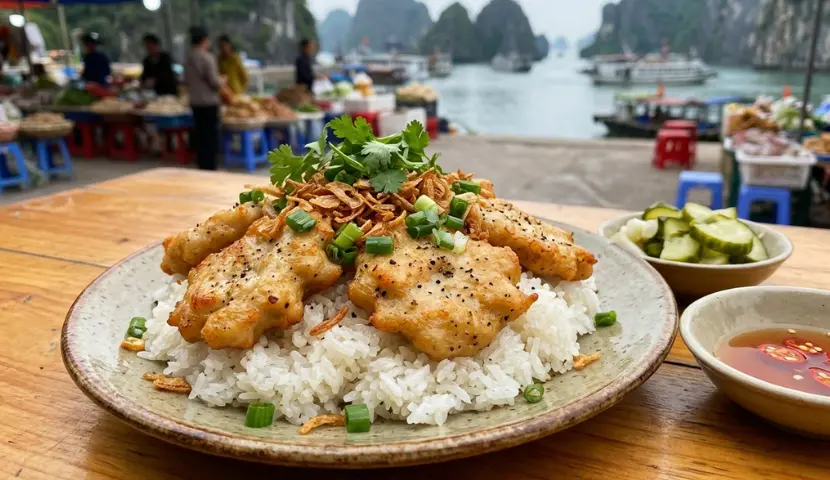
Sticky rice with squid patties is a famous specialty dish of Ha Long, Quang Ninh province. Made with fresh ingredients and a simple yet flavorful preparation method, this dish combines soft, chewy white sticky rice with crispy, hand-pounded squid patties, creating a unique chewy texture and rich flavor. It's served with fried onions, fish sauce, and chili sauce to enhance the taste. A traditional breakfast dish for the people of Ha Long, it has gradually become a popular quick snack for tourists. The main ingredient, squid patties, has even been recognized as one of the top 10 delicious dishes in Asia, so if you have the chance to visit Ha Long, be sure to stop by and try this dish!
Amidst dishes that bear the distinctive mark of the lowlands, such as pho or vermicelli, there is a dish with the characteristic flavor of the Northwest mountains: smoked buffalo meat. Without elaborate preparation, this specialty of the ethnic minorities in the Northwest captivates diners with its rustic, robust, and distinctly mountainous character, reflecting the people and nature of the region.
The preparation is extremely simple: buffalo meat is cut into long strips, marinated with characteristic spices such as salt, chili, ginger, and mac khen (a unique Northwest spice), then hung in the attic above the kitchen hearth, where smoke constantly rises and the warmth from the fire lingers for days and weeks. The result is naturally smoked meat with a characteristic dark brown color and a dry outer layer yet retaining its tender and sweet flavor inside.
When eaten, the meat is torn into small strips and enjoyed with cham cheo (a dipping sauce) or chili sauce to preserve its unique taste. A touch of mild spiciness from chili peppers, a hint of fragrant mac khen (a type of spice), a touch of sweetness from buffalo meat, and a hint of the flavors of the mountains, of fire, and of time - all blended together in one dish.
Dried buffalo meat originated not only from the long-standing eating habits of the local ethnic people but also from the cold climate of the highlands and the practice of preserving food for extended periods. During those cold winter days, meat becomes a convenient and energy-rich dish. Furthermore, it is a dish often served during festivals and holidays, or when entertaining honored guests.
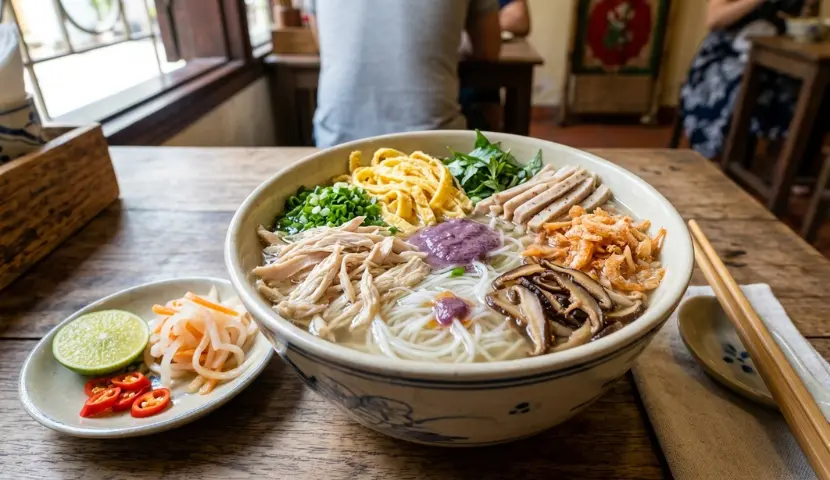
As a dish representing the utmost sophistication and refinement in Northern Vietnamese cuisine, Bun Thang is not just a dish but also a testament to the creativity, skill, and meticulousness of the people of Hanoi in the past. The dish is unique not only in its name but also in its refined and elaborate preparation. From simple ingredients, each step is meticulously prepared. Thinly sliced omelet, sliced pork sausage, shredded chicken, dried shredded pork... After being fully prepared, the ingredients are neatly and beautifully arranged in a bowl of noodles, like a colorful and harmonious painting.
The broth is simmered from chicken bones with a touch of shrimp paste to enhance the flavor. A delicious bowl of Bun Thang will have a clear, light broth with a natural sweetness; the ingredients do not overpower each other but rather complement each other, creating a multi-layered flavor profile that is both light and satisfying overall.
This is a long-standing traditional dish of old Hanoi, often appearing on special occasions such as Tet (Lunar New Year), ancestral commemorations, or it can also utilize leftover ingredients after Tet to avoid waste. Amidst the modern pace of life, Bun Thang still retains its traditional and classic charm, deeply rooted in the culture of the people of Hanoi.
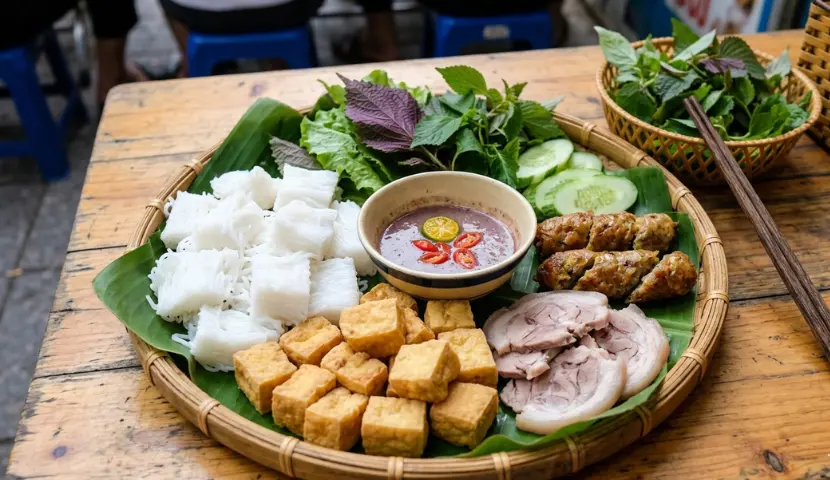
Bun dau mam tom (rice noodles with fried tofu and shrimp paste) is a rustic yet extremely distinctive dish of Northern Vietnamese cuisine, especially Hanoi. It impresses with its simple yet harmonious blend of ingredients, creating a dish that is both simple and unforgettable. Bun dau is usually served on a simple bamboo tray, lined with banana leaves for a familiar and rustic feel. A standard bun dau tray includes ingredients such as fresh rice noodles, golden fried tofu with a crispy outer layer and a soft, moist interior, thinly sliced boiled pork, rice cake sausage, pork offal... and various fresh herbs like perilla and fish mint. Even without considering the taste, the overall presentation is simple yet complete.
Bun dau wouldn't be complete without shrimp paste, a strong-smelling condiment that can be challenging for first-time eaters. A good bowl of shrimp paste is made by mixing lime, a little sugar, and chili peppers, stirring until it releases its characteristic aroma. This is what makes this dish "picky" because of its flavor. But don't be quick to dismiss it; be brave and try a bite to have this very special experience. The proper way to eat bun dau is to pick up a piece of vermicelli along with some vegetables and toppings, dip it in shrimp paste, and enjoy. Although it's quite selective in terms of taste due to the distinctive aroma of shrimp paste, I'm sure that once you get used to it, it's very easy to become addicted.
This is a refined and representative gift of Hanoi, carrying the delicate essence of Northern cuisine: simple yet profound and unforgettable. Com is wrapped in lotus leaves to preserve its fragrance, eaten with ripe bananas or used to make cha com or xoi com, all of which are exceptionally delicious. In addition, when roasting the green rice flakes and pounding them by hand, combined with mung bean paste and shredded coconut, you can create the fragrant banh com. The outer layer of the cake is soft and chewy with a natural green color, a gentle aroma of young rice, and a rich, nutty filling. It is also a snack that often appears in Hanoi wedding and engagement ceremonies, symbolizing purity, sweetness, and lasting love.
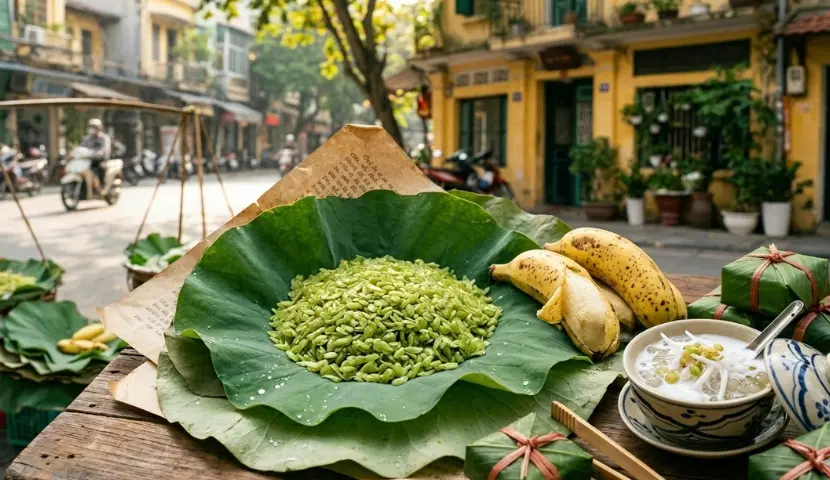
This is a refined and representative gift of Hanoi, carrying the delicate essence of Northern cuisine: simple yet profound and unforgettable. Com is wrapped in lotus leaves to preserve its fragrance, eaten with ripe bananas or used to make cha com or xoi com, all of which are exceptionally delicious. In addition, when roasting the green rice flakes and pounding them by hand, combining with mung bean paste and shredded coconut, you can create the fragrant banh com. The outer layer of the cake is soft and chewy with a natural green color, a gentle aroma of young rice, and a rich, nutty filling. It is also a snack that often appears in Hanoi wedding and engagement ceremonies, symbolizing purity, sweetness, and lasting love.
Related articles:
>> Top 10 Vietnamese Dishes You Must Try