
Ciao splendida Sole !
Abbiamo visionato il sito e l abbiamo trovato fatto molto bene e interessante, riteniamo che sia di facile comprensione e con tutte le...
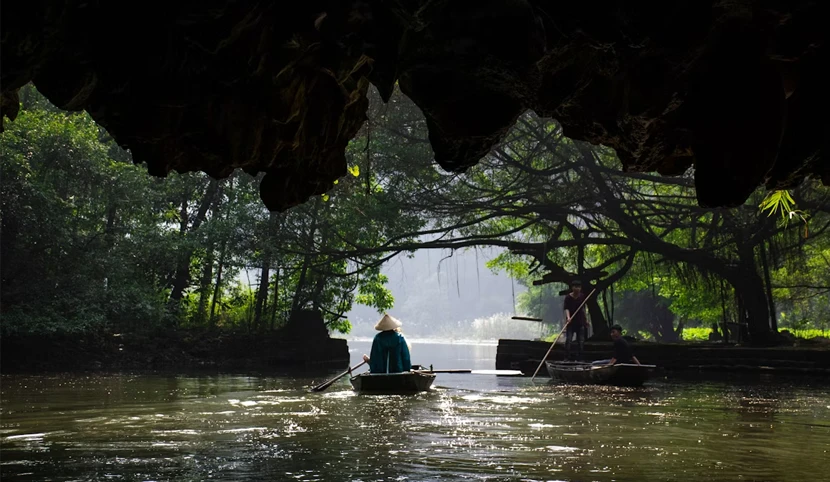
Lying alongside the Red River Delta is Ninh Binh province, located at the Southern gateway of Northern Vietnam. Due to its spectacular limestone mountains, rivers, and caves, people often call it “Ha Long Bay on land”. The ancient capital of Hoa Lu, with the mixed cultural and natural heritage of Trang An are the combination that makes up Ninh Binh.
1. History of Ninh Binh
2. Geographical location of Ninh Binh
3. Places to visit in Ninh Binh - Trang An - Tam Coc - Bich Dong complex
4. Places to visit in Ninh Binh - Ancient capital - Spiritual complex
5. Places to visit in Ninh Binh - Nature complex
6. Local specialties
7. Culture and people
8. How to Travel to Ninh Binh
Ninh Binh’s historical significance began in 968 when Dinh Bo Linh ended the era of the Twelve Warlords and declared himself emperor. He established Dai Co Viet and made Hoa Lu his capital. For 42 years, Hoa Lu served as the political center under three early dynasties: the Dinh, the Early Le, and the Early Ly.
In 1010, King Ly Thai To relocated the capital to Thang Long, now Hanoi, and Hoa Lu became the ancient capital. Yet traces of its royal past remain. Visitors can still see the temples honoring King Dinh Tien Hoang and King Le Dai Hanh, the 1,000-year-old Nhat Tru Pagoda, and remnants of old citadel walls.
Later, during the Tran Dynasty, Ninh Binh was used as a strategic military base to resist Mongol invasions. Under Emperor Quang Trung of the Tay Son era, the area was a gathering point for troops.
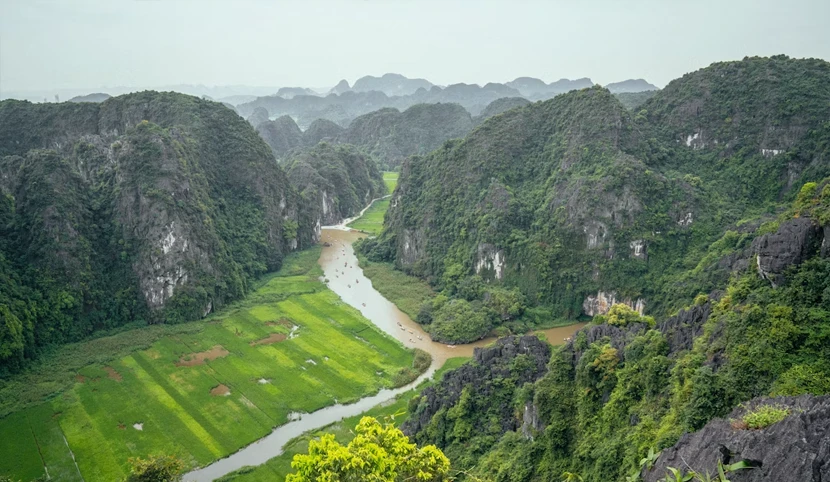
Ninh Binh lies at the southern end of Northern Vietnam.
Ninh Binh City is approximately 93 km south of Hanoi and serves as a crossroad for National Highway 1A, National Highway 10, and the North - South Expressway.
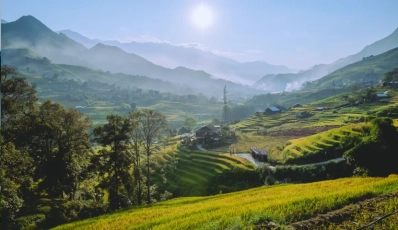
Its geography is remarkably diverse: around three-quarters of the area consists of limestone mountains interspersed with plains and rivers such as the Hoang Long, Day, and Van Rivers. The lowland areas of Nho Quan and Gia Vien form wetlands that created the flooded cave nature of Trang An and Tam Coc.
This strategic terrain - ideal for both defense and attack - made Hoa Lu a suitable ancient capital.
Ninh Binh is famous as “Halong Bay on land,” for its stunning landscapes and deep historical and cultural heritage. Trang An - Tam Coc - Bich Dong Complex is the heart and soul of Ninh Binh.
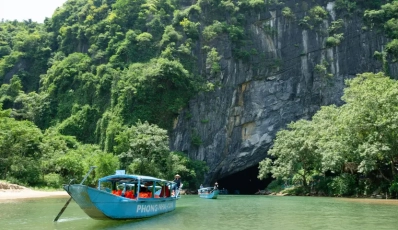
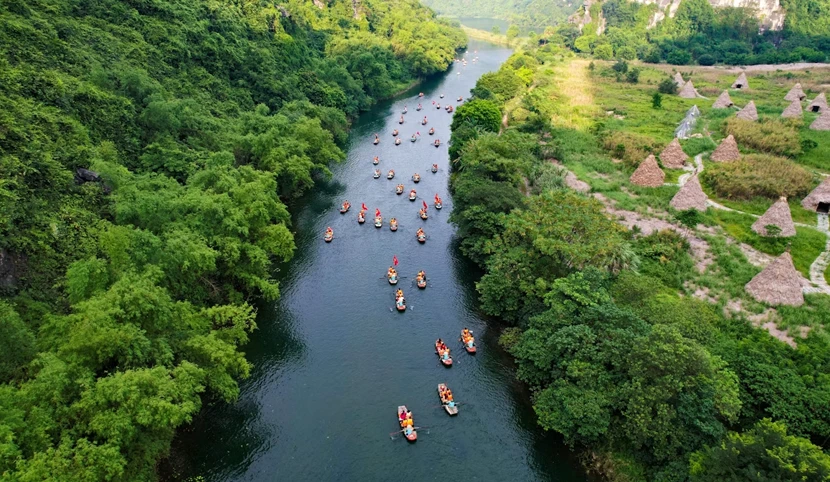
Trang An is the star of the UNESCO site. A boat trip here takes you through a chain of nine caves and past quiet temples like Suoi Tien and Tran Temple. You’ll also pass the film set used in Kong: Skull Island. The water is so clear you can see the riverbed, and the limestone cliffs rise straight up around you.
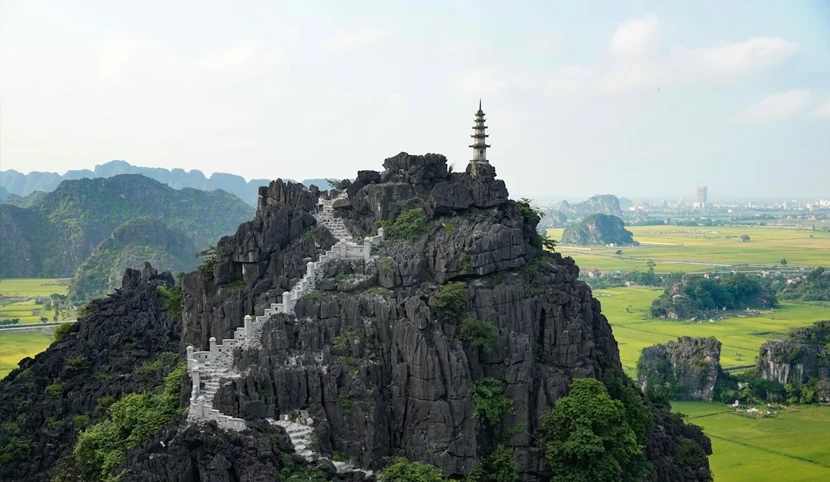
Tam Coc - Bich Dong is often called the “second most beautiful cave complex in Vietnam.” The name Tam Coc means “three caves” - Ca, Hai, and Ba - and you’ll reach them by rowboat gliding through rice paddies. Nearby, Bich Dong Pagoda sits built into a mountainside. For the best view in Ninh Binh, hike up Mua Cave. From the top of Ngoa Long Mountain, you’ll get a panoramic shot of Tam Coc with the Ngo Dong River cutting through golden fields.
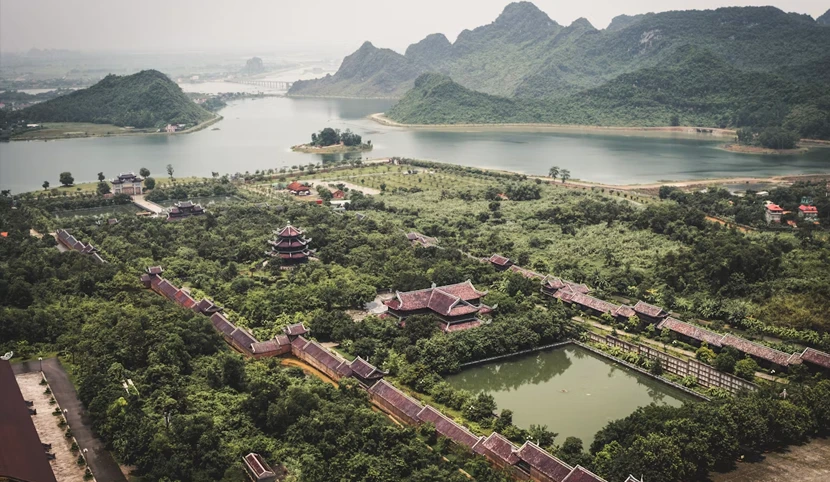
Ninh Binh is not only famous for its karst landscapes and rivers, but also for being the cradle of Vietnam’s early history and spirituality. The ancient capital, through the test of time, still exists where the emperors ruled, Buddhism flourished, and unique architecture still stands today.
Hoa Lu Ancient Capital - Cố đô Hoa Lư.
Under the Dinh and Early Le dynasties in the 10th century, the emperor named Hoa Lu as the first capital of Dai Co Viet. Even though the royal citadel is gone, temples like King Dinh Tien Hoang and Kinh Le Dai Hanh are still preserved, along with the 1,000-year-old Nhat Tru Pagoda, offering a glimpse into Vietnam’s founding era.
Bai Dinh Pagoda.
The largest pagoda complex in Vietnam and Southeast Asia is the Bai Dinh pagoda. There are two parts: an ancient pagoda hidden on the mountain and a grand new section featuring giant Buddha statues, a 13-story stupa, and the longest Arhat corridor in Asia with 500 stone statues. The scale and soul make it a must-visit for spiritual travelers.
Phat Diem Stone Cathedral.
People built Phat Diem Stone Cathedral entirely of stone and wood over 30 years in the late 19th century. It combines Gothic church design with traditional Vietnamese temple and pagoda styles, from the tiled roofs to the stone pillars carved with lotus motifs. The combination of East and West makes it one of the most unique churches in the country.
Cuc Phuong National Park is Vietnam’s oldest national park. Walk under a 1,000-year-old Parashorea tree, explore the Cave of Prehistoric Man, and visit in April or May to see thousands of white butterflies.
Van Long Nature Reserve is the largest wetland reserve in northern Vietnam. It’s home to the critically endangered Delacour’s langur. At sunset, the lagoon becomes a mirror reflecting the mountains - perfect for quiet boat rides.
Am Tien Cave, also called Tuyet Tinh Coc, hides a turquoise lake surrounded by sheer cliffs. Legend says King Dinh Tien Hoang once kept tigers and leopards here to demonstrate power and punish wrongdoers.
Ninh Binh cuisine contains the flavor of its mountains and rice fields - rustic, bold, and unforgettable. When people talk about the cuisine here, two “mountain delicacies” - “sơn hào” always come to mind.
6.1. Mountain goat - Thịt dê núi is the heart and soul of Ninh Binh’s food. Goats roam free on the mountains, feeding on medicinal herbs, so the meat is lean, firm, fragrant, and never gamey, absolutely delicious. It’s served as lemon-marinated rare goat, grilled slabs, herbal stew, or hotpot. Eaten with fig leaves, star fruit, green banana, and dipped in spicy ginger sauce, the sweet meat combines extraordinarily with sour, bitter, and spicy notes
6.2. Cơm cháy, or crispy rice crust, is a classic dish. Sticky rice is dried and deep-fried until golden and puffy, then topped with a savory goat sauce. Crunchy, rich, and deeply flavorful, visitors can buy it as a gift to bring home.
6.3. Other dishes that you must try include mountain snails - ốc núi, only available in the rainy season from April to August. Because they feed them on herbal leaves, the snails are plump, crunchy, and naturally aromatic. Steamed with lemongrass or stir-fried with tamarind, both are absolutely amazing.
6.4. Tong Truong perch fish - Cá rô Tổng Trường live in rock caves, so their flesh is fragrant and firm, amazing when fried crispy or braised dry.
6.5. For breakfast, locals enjoy a hot bowl of eel vermicelli - miến lươn or bún mọc with pork meatballs.
6.6. In spring, Nho Quan sticky rice with ant eggs in it - xôi trứng kiến Nho Quan - young ant eggs sautéed with shallots mixed into soft sticky rice, a Mường ethnic specialty.
6.7. For drinks and gifts, there’s Kim Son wine made from golden rice - rượu Kim Sơn nếp cái hoa vàng, strong and aromatic, and Yen Mac fermented pork rolls - Nem Yên Mạc.
Simple, honest, and straightforward are what describe the Ninh Binh people - true to the “ăn sóng nói gió” - a term where Vietnamese people used to refer to people who are honest and direct, the spirit of the low-lying rice fields of northern Vietnam. Tradition, etiquette, and family discipline are deeply valued here. Life is orderly, and community ties run strong. The local accent may sound heavy at first, but it comes with genuine hospitality. Ask for directions and you’ll be guided all the way; drop by and you’ll likely be invited in for tea.
Village life and wet-rice farming are what make up Ninh Binh culture. La Village Festival, Thai Vi Temple Festival, and Bai Dinh Pagoda Festival, held in the first lunar month, attract tens of thousands of visitors. This land is also a cradle of folk arts. Ninh Binh’s cheo theater is famous across the region, xam singing from Yen Mo is raw and heartfelt, and the Hoa Lu festival drums echo the heroic spirit of the nation’s founders.
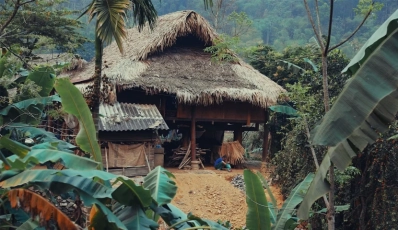
People are very proud of their traditional craft villages. Van Lam embroidery is intricate, Kim Son sedge products are durable and exported worldwide, and Ninh Van stone carving is highly detailed. The family passed down their trades for hundreds of years.
Ninh Binh is the land of kings, saints, and deities. Dinh Bo Linh unified the country; Le Hoan defeated Song invaders; and the founding statesman Nguyen Bac was all born here. There is this saying: “Ai về thăm đất Ninh Bình, mà xem non nước hữu tình nên thơ” - “Whoever visits Ninh Binh will see its poetic, picturesque landscapes.” They describe the beauty of the land and the character of its people.
Ninh Binh sits just 93 km south of Hanoi, so getting there is quick and easy.
8.1 From Hanoi.
By Car / Limousine.
Travel time is around 1.5 - 2 hours
Visitors can use limousines which run from early morning until evening. They only cost around 150,000 to 200,000 VND per person. If you take the Ninh Binh Expressway, it will cut the trip to only 1 hour and 15 minutes. This is the most comfortable option, with hotel pick-up available everywhere.
By Train.
All North-South trains are at Ninh Binh Station.
There are SE1 and SE3. They take only around 2 to 2.5 hours to drive. You can buy tickets from 90,000 to 150,000 VND based on the level of the seat. The train offers a nice view and a relaxed ride.
By Motorbike.
You can choose the old National Highway 1A for about 2.5 hours. This road is the favourite route for people who want to experience the peaceful nature.
By Bus.
Public bus 216 from Giap Bat Bus Station to Ninh Binh City can cost you only around 70,000 VND. It costs less than other transportation modes.
8.2 From Ho Chi Minh City or Da Nang.
The fastest way is that you can use Hanoi’s Noi Bai Airport or Tho Xuan Airport in Thanh Hoa province to drive there. Either way, there is cost and time efficiency for sure.
Related articles: