



Ciao splendida Sole !
Abbiamo visionato il sito e l abbiamo trovato fatto molto bene e interessante, riteniamo che sia di facile comprensione e con tutte le...
On the S-shaped land of Vietnam, there is a region stretching from Thanh Hoa to Binh Thuan, full of sun and wind, which always captivates visitors with its long, untouched beaches and a remarkably rich and refined cuisine. From the elaborate and luxurious royal dishes of Hue to the simple, rustic meals closely tied to the hardworking lives of coastal people, each dish carries its own unique flavor and story, together creating a diverse culinary map of Central Vietnam. If you are passionate about food and preparing for a journey to explore Central Vietnam, here is a list of must-try specialties to fully experience the culture and people of this region.
Traditional dishes in Central Vietnam
1. Bun Bo Hue
2. Clam Rice
3. Central Vietnamese Banh Xeo
4. Cao Lau
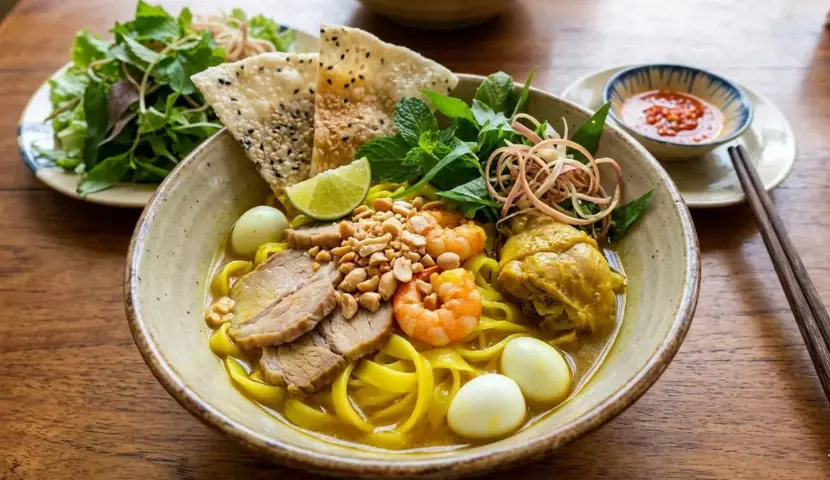
5. Mi Quang
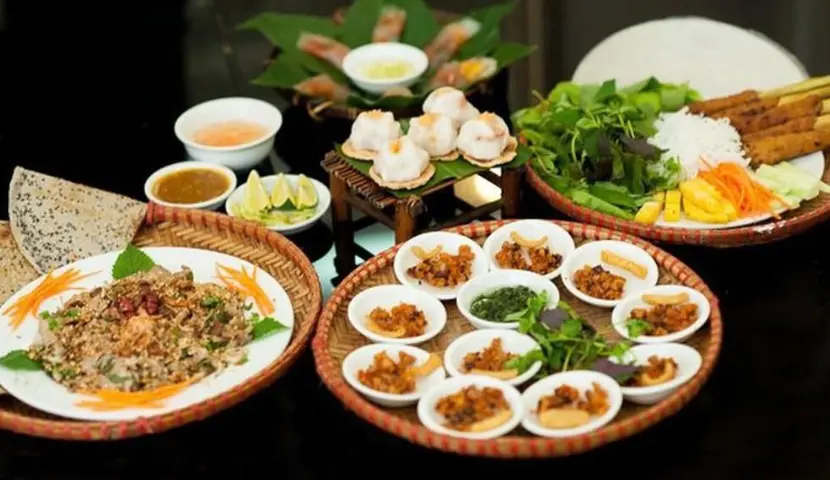
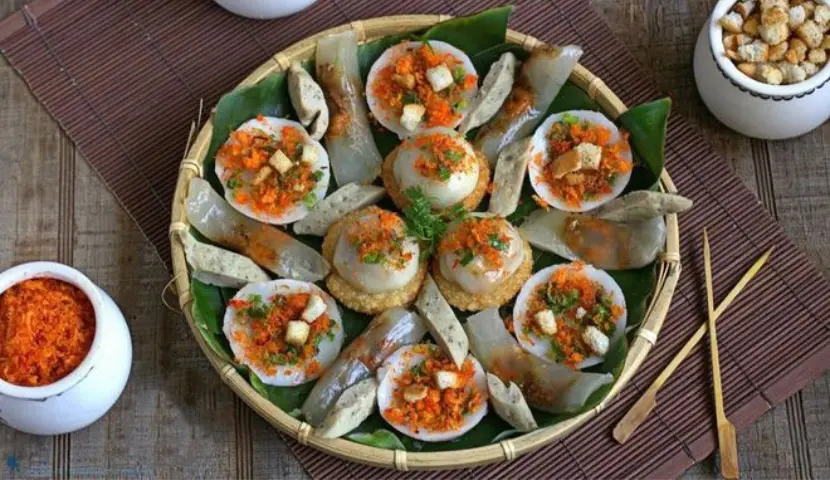
6. Banh Beo - Banh Nam - Banh Bot Loc
7. Nghe An Eel Porridge
8. Nem chua Thanh Hoa
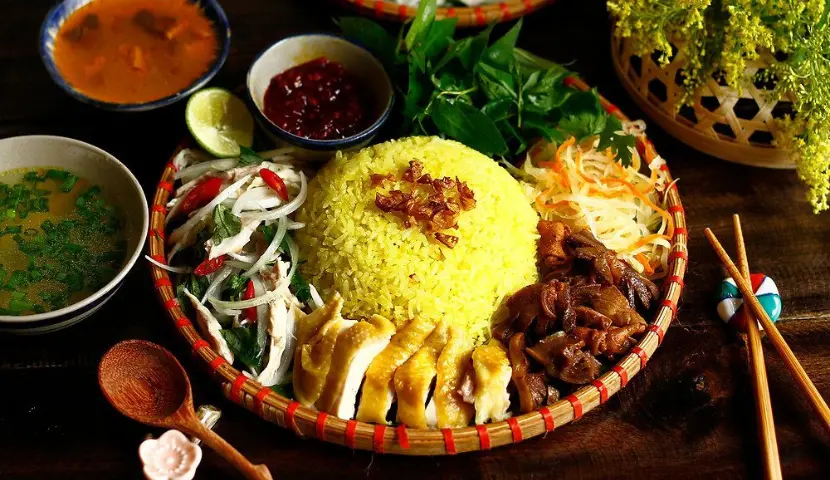
9. Hoi An chicken rice
10. Bun Cha Ca
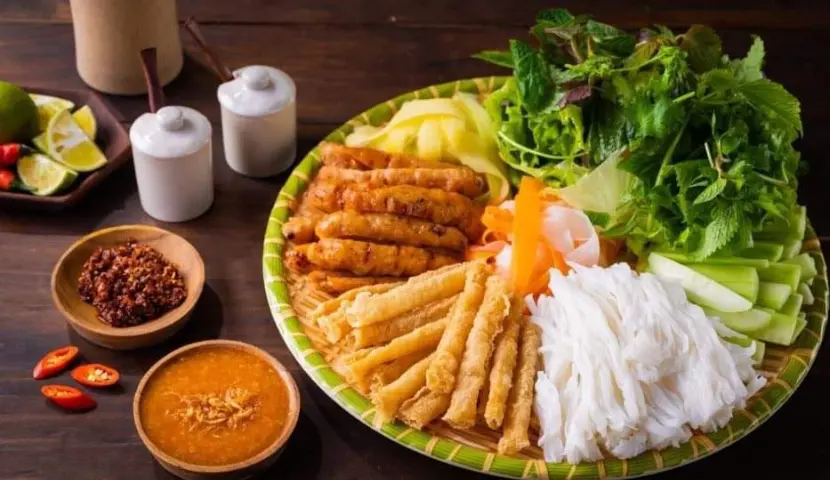
11.Nem nuong Nha Trang
Bun Bo Hue is a traditional dish of the ancient capital of Hue, famous for its rich flavor; it is a symbolic dish representing both royal cuisine and folk cuisine of Central Vietnam. From the very first glance, a proper bowl of Bun Bo Hue has a distinctive reddish-orange broth, blended with the strong aroma of lemongrass, chili, and fermented shrimp paste - a typical condiment of Central Vietnamese people with a bold, sea-like fragrance. Bun Bo Hue is often served with a variety of toppings such as tender beef, rich pork knuckles, and flavorful crab patties. The noodles are usually round and thicker than regular rice noodles. When enjoying Bun Bo Hue, don’t forget to eat it with banana blossom, shredded water spinach, bean sprouts, and add a little lime and chili to achieve an authentic Hue-style experience. Bun Bo Hue is also a must-try dish for visitors coming to Central Vietnam.
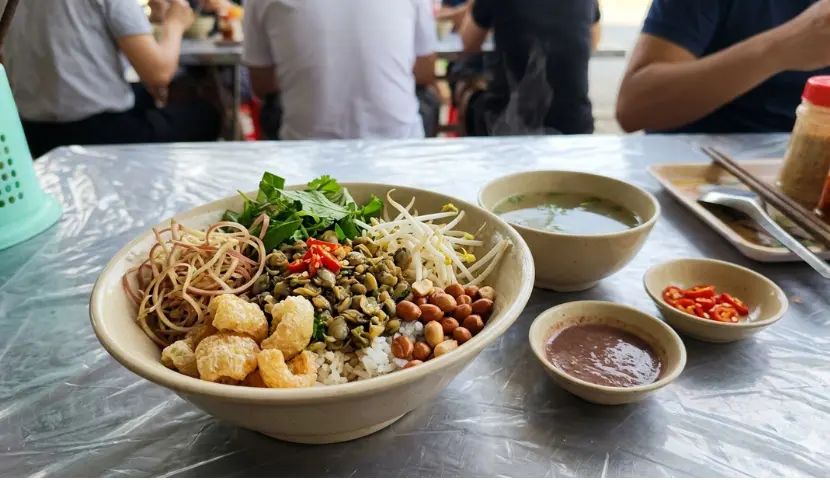
Originating from the ancient capital of Hue, Com Hen carries the distinctive essence of royal cuisine while remaining incredibly rustic and simple. This dish has won over many diners thanks to its harmonious combination of familiar ingredients, especially clams - a type of seafood commonly found in Central Vietnam. The dish consists of white rice mixed with stir-fried clams, served with fermented shrimp paste, crispy pork fat, roasted peanuts, pork skin, and various fresh herbs. What makes Com Hen special is its clam broth, which has a light, slightly sweet flavor that is poured over the rice, creating a perfect balance between richness, saltiness, and a hint of spiciness. Thanks to its simplicity in preparation yet rich and distinctive taste, Com Hen has become an indispensable dish when referring to Central Vietnamese cuisine, especially Hue.
Banh xeo is a must-try dish when visiting Central Vietnam. With its thin, crispy crust, golden yellow color from turmeric, and a filling of shrimp, squid, pork, and bean sprouts, this dish is both visually appealing and delicious. The traditional way to enjoy banh xeo in Central Vietnam is to dip it into a sweet and sour sauce along with a variety of fresh herbs, creating a refreshing and unique experience. The crispy outer layer combined with the hot, flavorful filling, aromatic herbs, and rich dipping sauce makes for a wonderful meal. Though simple, banh xeo is incredibly appealing thanks to its preparation and the way basic ingredients come together to create an unforgettable dish.
Cao lau is a specialty dish from Hoi An, an ancient town located along the poetic Hoai River. At first glance, it may look similar to other Vietnamese noodle dishes, but cao lau has its own distinctive character that is hard to confuse with any other dish in Vietnam. The dish successfully combines thick, yellow, chewy noodles with slices of char siu pork, crispy pork skin, and a rich sauce, creating a balanced and appealing flavor. The most special aspect of this dish lies in its reflection of cultural fusion from the once-bustling trading port of Hoi An. By enjoying Cao Lau, diners not only experience local cuisine but also gain a deeper understanding of the history of this region.
Another rustic yet captivating dish of Central Vietnam, a region full of sun and wind, Mi Quang represents the spirit and lifestyle of the local people. Instead of being served with a bowl full of broth, Mi Quang uses only a moderate amount of rich, slightly thick broth, just enough to create a memorable flavor without overpowering the main ingredients. The noodles are thick and wide, with a yellow color from turmeric. The dish is served with a variety of simple, easy-to-find ingredients such as shrimp, pork, eggs, peanuts, fresh herbs, and especially crispy rice crackers.
These three traditional cakes are well-known folk specialties that showcase the delicacy and skillfulness of Central Vietnamese cuisine. What they have in common is that they are all steamed until fully cooked, yet each cake is made from different types of flour, shaped differently, and carries its own distinct flavor. Banh beo is small, soft, and smooth, round in shape, and served in small dishes, often topped with dried shrimp and scallion oil. Banh nam, on the other hand, is wrapped in banana leaves and has a thin, flat shape; after steaming, it releases a light, characteristic fragrance. The white, soft layer of the cake encloses a savory shrimp and pork filling. Similar in appearance to banh nam, banh bot loc is also wrapped in banana leaves but features a translucent, chewy outer layer that wraps around the shrimp and pork filling. These cakes are not only appealing because of their flavors but also reflect the meticulous care of the cooks in both preparation and presentation. If you have the chance to enjoy them, take your time and savor each bite slowly to fully appreciate the layers of flavor, much like the way Hue people preserve elegance and refinement in their daily lives.
Moving away from Hue’s royal cuisine, eel porridge is a rustic dish well-known in Nghe An. The porridge is made from roasted rice, giving it a fragrant aroma and a consistency that is neither too thin nor too thick. The eel is carefully cleaned and stir-fried with scallions, turmeric, and chili, creating an appealing color and a gentle spiciness. The porridge is then topped with spring onions, Vietnamese coriander, and a bit of pepper, resulting in a warm, rich, and comforting flavor that truly represents the taste of Nghe An. More than just a nutritious dish, eel porridge is closely tied to the daily life of local people, often enjoyed in the morning or during chilly days, bringing a sense of warmth and familiarity.
As a specialty of North Central Vietnam, Nem chua Thanh Hoa carries a unique and unforgettable flavor. Crafted by skilled hands, fresh ground pork is mixed with sliced pork skin, garlic, chili, and seasonings, then neatly wrapped in banana leaves and naturally fermented. Thanks to this fermentation process, the dish develops its distinctive slight sourness, blending harmoniously with salty, spicy notes and a hint of garlic aroma, creating an appealing and distinctive taste.
Known as a familiar everyday snack, Nem chua Thanh Hoa is also often given as a simple yet meaningful gift, representing the warmth and affection of local people, as if sending a piece of hometown flavor to love ones.
Another dish from the ancient town of Hoi An, Com ga Hoi An is a well-known specialty that appears simple but requires great skill in every step of preparation. The free-range chicken is boiled just to the right level, maintaining its natural sweetness and tenderness, then shredded or chopped into bite-sized pieces. The rice is carefully washed and cooked with chicken broth and turmeric, giving it a golden color, a fluffy texture, and a subtle, appealing aroma.
When enjoying the dish, it is often paired with Vietnamese coriander for a slight spiciness, onions for a mild sharpness, and a bowl of sweet and sour fish sauce that adds depth to the overall flavor. These elements come together to create a well-balanced and satisfying meal, leaving such a strong impression that anyone who tastes it once will want to return and experience its flavors again.
Bun cha ca is a typical dish of the South Central coastal region, stretching from Binh Dinh to Phu Yen and Khanh Hoa. This fish noodle soup is well known for its light and refreshing broth, which is made from fresh fish bones, tomatoes, and pineapple, creating a natural sweetness without any fishy taste. The fish cakes are made from fresh sea fish, fried until golden to provide a chewy and fragrant texture, and often combined with steamed fish cakes to add more variety to the dish.
A good bowl of bun cha ca is usually served with fresh greens and a small amount of chili fish sauce to enhance its flavor. Although not overly complex in preparation, bun cha ca retains the simplicity and openness that reflect the spirit of Central Vietnamese people.
When visiting Nha Trang, you cannot miss a famous dish like nem nuong. It captivates diners with its rich flavor and unique way of enjoying it. Nem nuong is made from ground pork, seasoned just right and grilled over charcoal until slightly charred, creating a fragrant outer layer while keeping the inside soft and juicy.
The proper way to eat nem nuong is to combine the grilled pork with crispy rice paper, fresh herbs, pickled carrots, and shredded green mango, then roll them together into a bite-sized portion. This is then dipped into the “soul” of the dish - a smooth, thick sauce made from peanuts and pork liver, with its characteristic orange-yellow color. With each bite, your taste buds burst with a harmonious blend of sweet, rich, tangy, and refreshing flavors, and by the second bite, it becomes truly unforgettable.
More than just an appealing street food, nem nuong Nha Trang represents the richness and creativity of coastal cuisine, offering a dining experience that is both delicious and enjoyable.
Central Vietnamese cuisine is not merely about food to satisfy a hungry stomach; it is also a story of history and culture... both rustic and refined, just like the people of this sun-and-wind-swept land. Today, these traditional dishes remain an immutable cultural symbol and are gradually winning the hearts of many visiting tourists. As for you, if you ever have the chance to visit this Central strip of land, do not just gaze at the beautiful scenery, but try all the signature dishes here to truly feel the essence and dedication encapsulated within each of these simple creations.
Related articles: