
Ciao splendida Sole !
Abbiamo visionato il sito e l abbiamo trovato fatto molto bene e interessante, riteniamo che sia di facile comprensione e con tutte le...
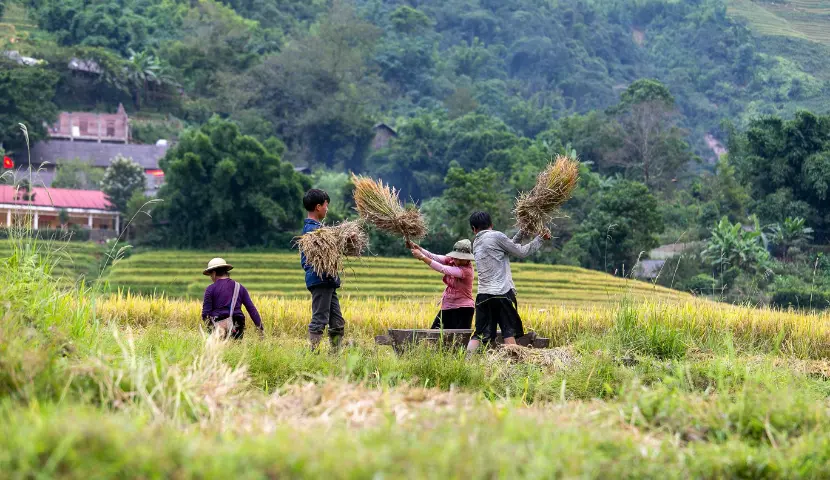
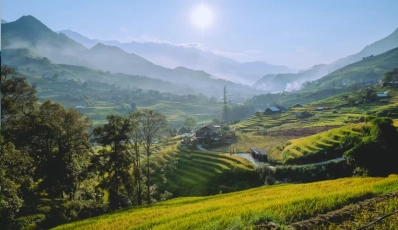
The mountainous regions of northern Vietnam are famous for their stunning terraced rice fields, creating one of the most impressive landscapes in Southeast Asia. With their sprawling slopes and valleys, and rice paddies that change with the seasons, they offer not only breathtaking natural scenery but also an unmissable destination for travelers who love exploring the unique culture of Vietnam's ethnic minorities, experiencing beautiful trekking routes, and enjoying the fresh air of the highlands. For a truly fulfilling trip, choosing the right time will allow visitors to admire the most spectacular beauty of the rice paddies and mountainous landscapes of Vietnam.
Best Time to See Rice Fields and Travel in the Mountainous Area
1. Introduction to Vietnam's Mountainous Regions and Rice Terraces
1.1 Why the mountain areas are famous for their breathtaking landscapes
1.2 The cultural importance of rice terraces in northern Vietnam
2. Best Time to See Rice Fields in Vietnam's Mountains
2.1. Water Pouring Season (May to June)
2.2. Green Rice Season (June to August)
2.3. Golden Harvest Season (September to October)
3. Top Places to See Rice Fields in Vietnam's Mountainous Areas
3.1. Mu Cang Chai (Yen Bai)
3.2. Hoang Su Phi (Ha Giang)
3.3. Sapa (Lao Cai)
3.4. Y Ty (Lao Cai)
3.5. Pu Luong (Thanh Hoa)
4. Conclusion
The mountainous regions of Northern Vietnam have long been an attractive destination for both domestic and international tourists, boasting spectacular natural landscapes and the diverse cultures of ethnic minorities. Among them, provinces such as Lao Cai, Yen Bai, Ha Giang, Lai Chau, and Hoa Binh are renowned for their majestic mountain ranges, lush green valleys, and especially their terraced rice fields winding along the hillsides. For generations, local people have transformed steep mountains into terraced fields, creating agricultural masterpieces harmoniously blended with nature. Today, terraced rice fields are not only a source of livelihood for the people but have also become one of the iconic images of Vietnam's mountainous tourism.
The region enjoys a distinct climate year-round, with each season offering a different beauty. From the rainy season to the season when the rice paddies shimmer with a golden hue, the scenery is breathtaking, leaving any visitor in awe.
1.1 Why the mountain areas are famous for their breathtaking landscapes
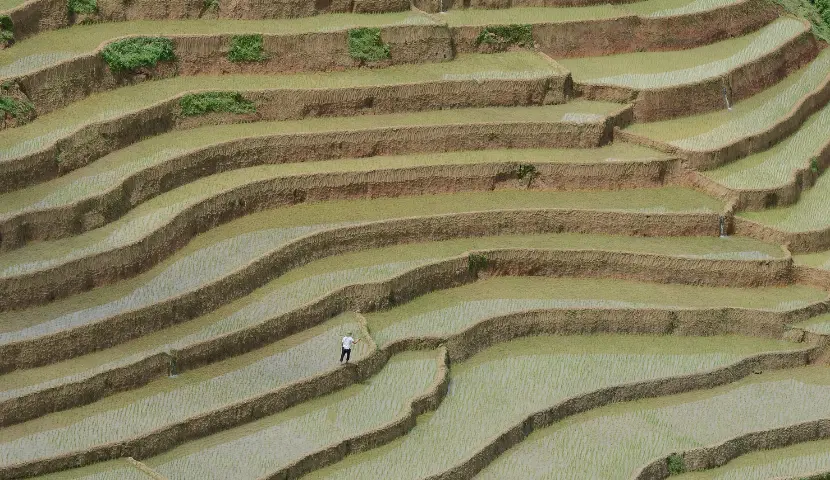
Unlike the flat fields in the delta, the mountainous areas of Northern Vietnam are known for their breathtaking and simple natural landscapes. Because of that simplicity and simplicity, many tourists come to immerse themselves in the vast nature, breathe the fresh air and feel the cool, pleasant climate. This place has not been much affected by human hands, so most of it still retains its pristine and rustic beauty. The high mountain ranges, deep valleys, lush primeval forests and floating seas of clouds create an impressive natural picture. Besides, terraced fields are built on steep mountain slopes, bringing a unique beauty that not many places in the world have.
Because the weather is clearly visible, the scenery here also changes after each season. Depending on the time period, the scenery is decorated with different colors such as the silver-gray color of the fields after harvest, the green color of young rice and the yellow color of ripe rice... In the early morning, thin layers of fog covering the valleys and villages also create a magical scene, and when the sun rises, the sunlight shines down on the endless rice fields, making the scenery become brilliant and lively. more than ever.It is this beauty that has turned places like Mu Cang Chai, Hoang Su Phi, Sa Pa or Y Ty into attractive destinations for tourists and photographers from all over the world.
1.2 The cultural importance of rice terraces in northern Vietnam
Terraced rice fields are not only a unique agricultural structure but also a cultural symbol closely associated with the lives of many ethnic minority communities in Northern Vietnam, such as the Hmong, Dao, Ha Nhi, Tay, and Giay. In the conditions of steep mountainous terrain, the people have created this special farming method to conserve water and cultivate rice, ensuring a food supply for their daily lives. These terraced fields, built and maintained over generations, demonstrate the production experience, diligence, and adaptability to the natural environment of the highland people.
Besides their economic value, terraced rice fields are also linked to many customs, festivals, and traditional practices of the local ethnic groups. The activities of sowing, cultivating, and harvesting rice are not only labor but also opportunities for community bonding and preserving unique cultural features passed down from generation to generation. Today, many famous terraced rice fields have become important tourist destinations, contributing to promoting the beauty of Vietnam's mountainous regions and creating more economic development opportunities for local people.
2.1 . Water Pouring Season (May to June)
One of the most important questions for travelers planning a trip to Northern Vietnam is: When is the best time to see the rice terraces? There is no single answer because each season offers a completely different experience. There is no single rice-growing calendar across Northern Vietnam. In many famous terrace destinations, travelers can generally expect a water-pouring period in spring or early summer, lush green fields during the growing season, and golden terraces around harvest time. The exact dates vary by destination and altitude.
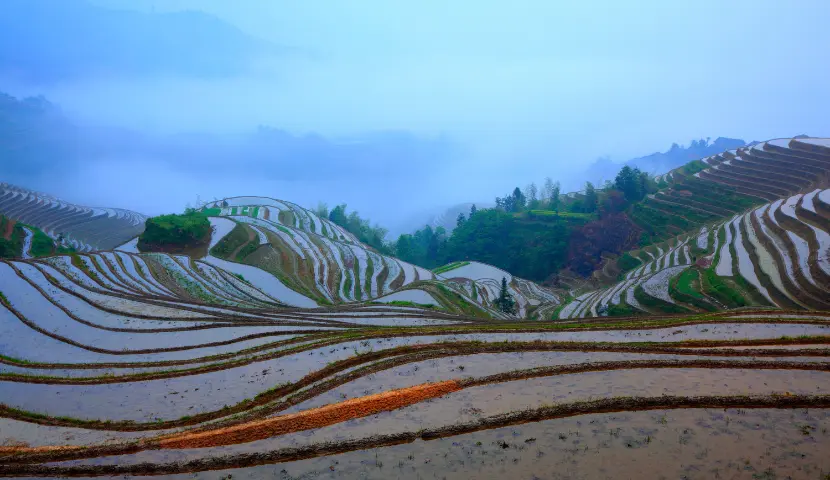
Water Pouring Season: March to June, Depending on the Destination
The water pouring season, usually from March to June, marks the beginning of a new rice-growing cycle in many mountainous areas of Northern Vietnam. During this period, local farmers channel water from streams and mountain ravines into the terraces before planting the new rice crop. The result is one of the most spectacular landscapes of the year. Instead of green or golden rice fields, the mountainsides are covered with thousands of water-filled terraces that resemble enormous natural mirrors. The terraces reflect the sky, clouds, mountains, and sunlight, creating constantly changing patterns across the hillsides. Early mornings and sunsets are particularly beautiful, as changing light can make the water appear silver, golden, or deep green. For photographers, the water pouring season offers a unique alternative to the more famous golden harvest landscapes. It is also an excellent opportunity to observe traditional agricultural activities and daily life in the mountain villages.
Best for: photography, landscapes, cultural experiences, and travelers looking for a less conventional view of Vietnam's rice terraces.
2.2 . Green Rice Season (June to August)
The green season varies by destination and altitude, but in many northern mountain areas the terraces become increasingly lush after planting and remain green through much of the growing season. After the rainy season, the mountainous regions of northern Vietnam enter the green rice season, lasting from approximately June to August. This is the period when young rice plants thrive, covering the terraced fields stretching across the mountainsides and valleys with a refreshing green hue, creating a peaceful and vibrant atmosphere. The green rice season is loved by many tourists because of its relatively pleasant weather and fresh scenery. The soft, undulating rice paddies follow the natural terrain, forming artistic lines on the hillsides, with the rice plants swaying rhythmically like endless waves in the wind.
Besides sightseeing, the green rice season is also a great time to participate in outdoor activities such as trekking, cycling, or exploring the routes through the green rice valleys, offering opportunities to admire the natural beauty up close and learn about the daily lives of the local people. In many villages, tourists can experience traditional culture, enjoy local cuisine, and learn about unique customs that have been preserved for generations.
Best for: trekking, cycling, village visits, nature, and lush green landscapes.
2.3 Golden Harvest Season (September to October)
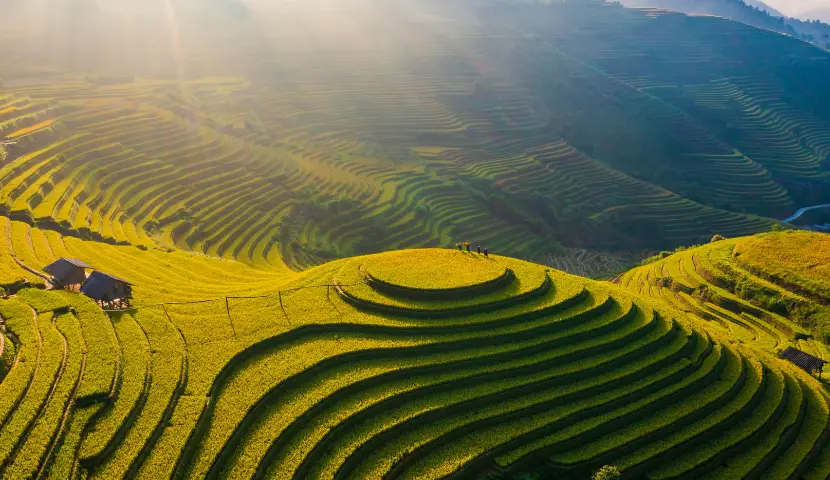
In many of Northern Vietnam's best-known terrace destinations, September and October are the main harvest period. Exact timing varies from one valley to another. September and October are ideal for many destinations such as Mu Cang Chai and Hoang Su Phi, while Sapa's best rice-field views can begin earlier, often from late August into early September. This is when the terraced rice fields enter their harvest season, covered in the vibrant golden hues of ripe rice after months of care. This is the time when the mountainous landscape reaches its most impressive beauty, attracting numerous tourists, photographers, and nature lovers from around the world. During the harvest season, the sprawling mountain slopes are dyed golden like giant carpets winding along the natural terrain. Under the gentle sunlight, the rice paddies stand out against the blue sky of the mountains. Especially in the early morning, the thin layers of mist hanging over the valleys, combined with the golden color of the ripe rice, create a mesmerizing natural landscape, offering many beautiful photo opportunities.
Besides its natural beauty, the rice harvest season reflects the fruits of the labor of the highland people after months of cultivation. Throughout the villages, tourists can witness the image of people harvesting rice on the terraced fields, creating a lively atmosphere. For tourists who want to admire the most spectacular beauty of Vietnam's terraced rice fields, the golden rice harvest season from September to October is an unmissable time. The combination of majestic natural landscapes, vibrant golden fields, and the unique culture of the highland ethnic groups creates a memorable experience for anyone who sets foot in the northern mountainous regions of Vietnam.
Best for: golden rice terraces, photography, trekking, scenic landscapes, and cultural experiences.
From the northwestern highlands to the northeastern mountains and north-central Vietnam, the country offers several outstanding destinations for travelers who want to see spectacular terraced rice fields. Each destination has its own landscape, culture, trekking opportunities, and seasonal highlights.
Mu Cang Chai, now part of Lao Cai Province following Vietnam's 2025 administrative reorganization, is one of the country's most famous destinations for terraced rice fields, is considered one of the most famous terraced rice field viewing spots in Vietnam, boasting thousands of hectares of terraced rice paddies stretching across the mountain slopes, created by the H'Mong people over generations. During the rice harvest season from September to October, the entire valley and mountain slopes are covered in a vibrant golden hue, creating a breathtaking landscape. Places like La Pan Tan, Che Cu Nha, and De Xu Phinh are popular viewpoints, attracting numerous photographers and nature-loving tourists.
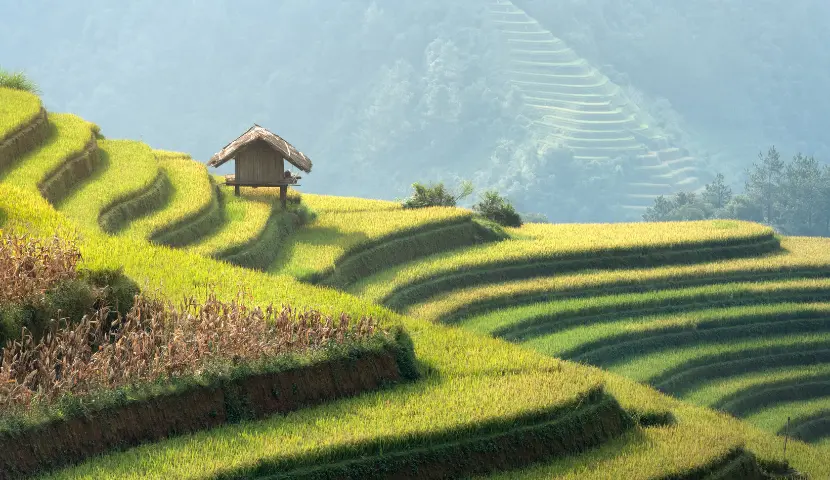
Hoang Su Phi, historically associated with Ha Giang Province and now part of the reorganized Tuyen Quang Province, is famous for its spectacular terraced rice fields. Rice terraces extend across steep mountain slopes, creating dramatic scenery that changes throughout the agricultural year. The water pouring season and harvest season are particularly impressive. Beyond the landscapes, Hoang Su Phi offers opportunities to discover the cultures and traditions of ethnic communities including the Dao, Nung, La Chi, and H'Mong. For travelers looking for spectacular scenery combined with cultural discovery, Hoang Su Phi is one of the most rewarding destinations in Northern Vietnam.
Sapa has long been one of the most popular and attractive tourist destinations, not only because of its cool climate year-round but also because of its stunning terraced rice valleys nestled among majestic mountain ranges. Areas such as Muong Hoa Valley, Ta Van, Lao Chai, and Ban Ho are ideal locations for sightseeing and photography, and visitors can also combine trekking, exploring local culture, and conquering Fansipan Peak - the highest mountain in Vietnam and the highest peak in Indochina.
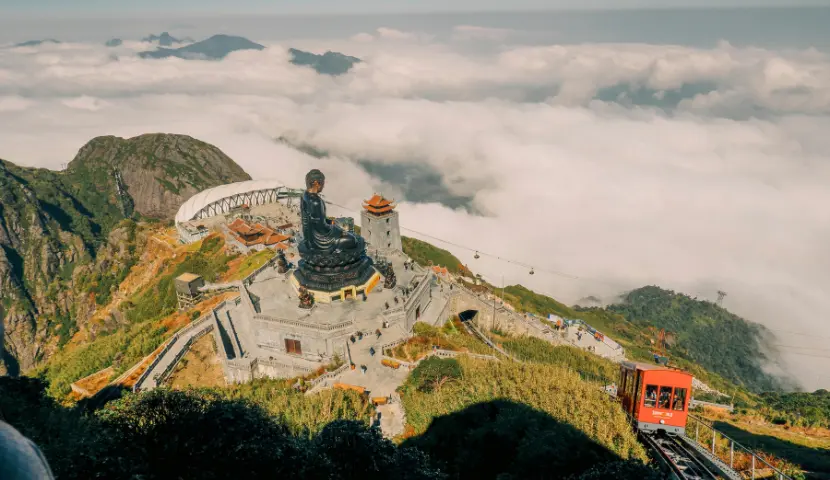
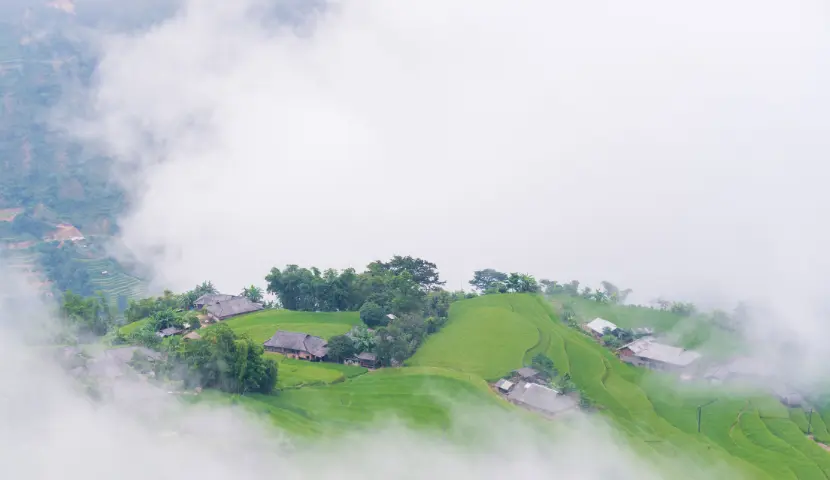
Located at an altitude of over 2,000 meters above sea level, Y Tý is an ideal destination for travelers who love pristine and peaceful beauty, with its floating sea of clouds, cool climate, and stunning terraced rice fields stretching across the mountain slopes. During the rice harvest season, the golden fields combined with the misty fog create a picturesque scene. Y Tý is also home to the Ha Nhi people, whose unique traditional culture is still preserved today.
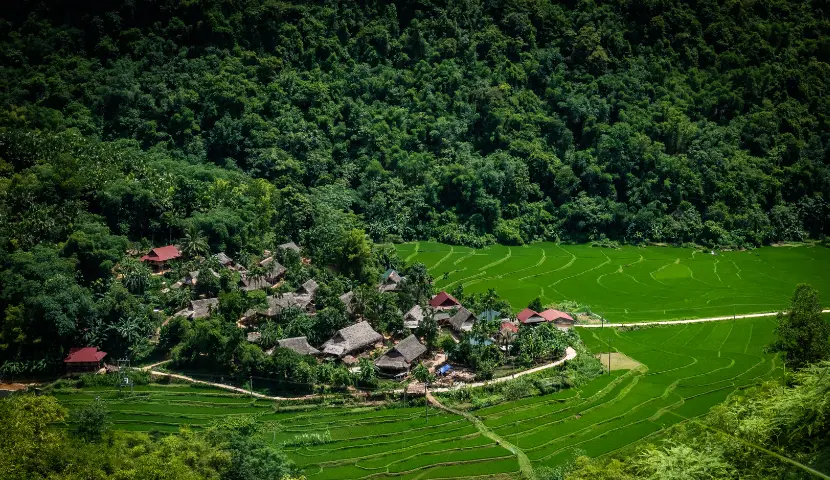
Pu Luong Nature Reserve in Thanh Hoa Province offers a different type of rice terrace experience. Located approximately four hours from Hanoi, Pu Luong combines terraced rice fields with forests, traditional villages, streams, and lush valleys. Unlike the higher mountain landscapes of Northwestern Vietnam, Pu Luong has a softer and more accessible landscape, making it particularly attractive for travelers interested in trekking, cycling, village stays, and nature-based travel. Thanks to its agricultural conditions, Pu Luong has more than one attractive rice-growing period, and the exact agricultural calendar varies by valley. The terraces are particularly scenic from late summer into autumn, when the fields transition from green to golden.
The rice terraces of Northern Vietnam offer a completely different experience in every season. From the reflective water-filled terraces of May and June to the lush green fields of summer and the spectacular golden landscapes of September and October, each period reveals another side of the region. Beyond their beauty, these landscapes tell the story of generations of highland communities, traditional agriculture, and the close relationship between people and nature. Whether you are a photographer, trekker, nature lover, or cultural traveler, destinations such as Mu Cang Chai, Hoang Su Phi, Sapa, Y Ty, and Pu Luong provide unforgettable opportunities to discover one of Vietnam's most extraordinary landscapes. For travelers planning a trip around the best rice terrace season in Vietnam, choosing the right destination and travel period can make all the difference.
Related articles: