

Ciao splendida Sole !
Abbiamo visionato il sito e l abbiamo trovato fatto molto bene e interessante, riteniamo che sia di facile comprensione e con tutte le...
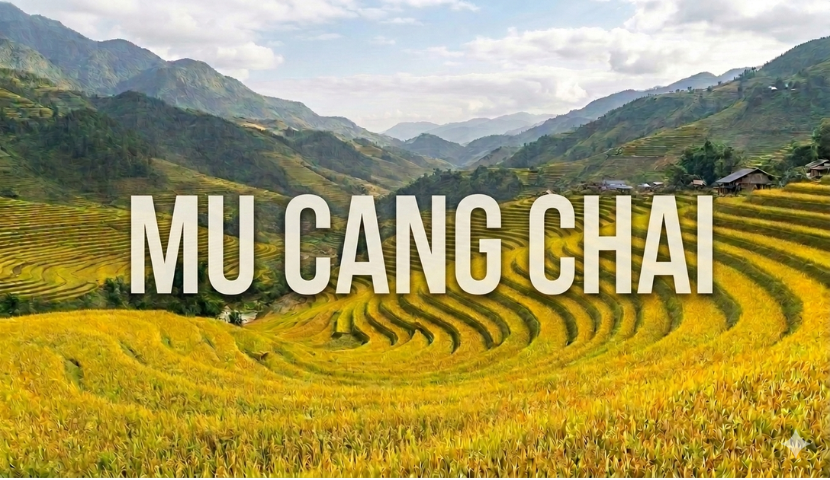
Mu Cang Chai is a very popular destination for travel enthusiasts throughout Vietnam. Located in the Northwest region of Vietnam, Mu Cang Chai is famous not only for its enchanting natural scenery but also for its impressive terraced rice fields winding along the mountain slopes, creating a beauty that is both wild and romantic.
Unlike the hustle and bustle of the city, Mu Cang Chai attracts tourists with its unique beauty that changes with each season. Planning a trip to Mu Cang Chai? But unsure of the best time to go for a truly memorable experience? Let's explore this article to find the answer!
Best time to visit and travel Mu Cang Chai
1. Where is Mu Cang Chai Located?
2. Exploring Mu Cang Chai in Every Season
3. Mu Cang Chai Travel Tips & Tricks
Mu Cang Chai is a highland district located in the western part of the former Yen Bai province, now part of Lao Cai province. Mu Cang Chai is famous for its majestic mountainous terrain and the diverse culture of its ethnic minorities. Along the way, you will encounter characteristic landscapes with winding roads through Khau Pha Pass – one of the four famous mountain passes of Vietnam.
Mu Cang Chai possesses both a pristine, peaceful charm and convenient access, making it a prominent tourist destination in Vietnam. Due to its predominantly mountainous terrain, it is renowned for its endless terraced rice fields, which have been recognized as a national scenic spot. The creation of these dreamy terraced fields is the result of hard work and a cultural symbol of the local people for generations. This geographical location not only provides impressive natural beauty but also makes Mu Cang Chai an ideal stop on a journey to explore Northwest Vietnam. Mu Cang Chai is beautiful, but did you know that its scenery doesn't remain the same throughout the year? It changes over time. Each season offers a different landscape, providing visitors with unique experiences.
2.1 From May to June - The Water Pouring Season in Mu Cang Chai
Before the rice paddies turn golden with ripe rice, the terraced rice fields undergo a very different period, unlike anywhere else: the time when the water pours down. When the first summer rains fall, watering the dry terraced fields, Mu Cang Chai takes on a magical beauty. This is the time to prepare for a new planting season. At this time, the fields are no longer filled with green but instead have waterlogged, flat embankments like giant mirrors reflecting the sky, creating a multi-colored picture with patches of brown earth, silver water, and green mountains interwoven together.
Visiting Mu Cang Chai during this season, you will find a quiet space to slowly observe the pure working life of the H'Mong ethnic people. You can find some of the most beautiful spots to admire the rice paddies during the rainy season:
The weather during this season is quite cool and fresh, with pleasant sunshine during the day and a chilly feeling at night and early morning, with temperatures ranging from 25-30°C. So don't forget to bring a light sweater to keep warm. Note that this is also the season when heavy rains begin, making travel on the mountain pass difficult. But despite the weather obstacles, Mu Cang Chai during the rainy season is the ideal time to admire the terraced rice paddies.
If you dislike crowds and prefer peace and quiet, this is the ideal time for you as it's the off-season with fewer tourists. While there won't be golden rice paddies, you'll get to admire unique and beautiful scenery.
2.2 From July to August - The Green Rice Season
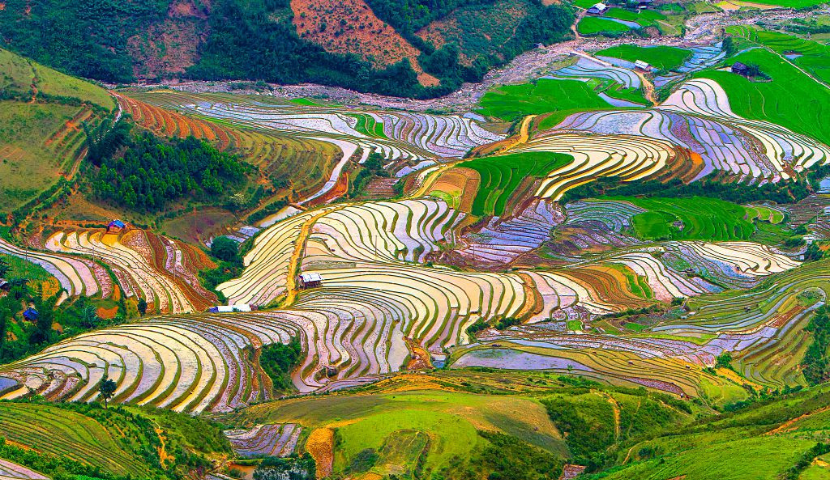
After the rainy season, this is the time after the rice has been transplanted, when the rice fields enter their growth phase. No longer reflecting the sky like giant mirrors, visitors will now see the young rice seedlings growing into mature rice plants, painting the hillsides a vibrant green.
Not as dazzling as the rice harvest season, nor as unique as the rainy season, this is the time when Mu Cang Chai possesses a gentle, pleasant beauty. With its lush green fields, visitors will feel a rare sense of peace in the bustling city. This time is also not too crowded with tourists, so the atmosphere retains its inherent slowness and tranquility. You can leisurely stroll through the fields, listening to the wind and the sounds of the mountains and forests, occasionally hearing the laughter of the local people working.
The weather starts to get warmer, with temperatures around 25-32°C during the day and possibly dropping to 20-22°C at night. Please note that these months are the peak of the rainy season, so be careful as there may be landslides or slippery conditions. It's best to check the weather forecast before planning a visit to Mu Cang Chai during this time.
2.3 From September to October: Golden rice season
This is the most golden and vibrant time of year in Mu Cang Chai. At this time, the entire valley seems to be transformed, with the mountain slopes bathed in a shimmering golden hue. This is also the peak tourist season in Mu Cang Chai, attracting numerous visitors to enjoy this picturesque scenery.
The color changes from week to week. It gradually shifts from green to light yellow and then to deep yellow in the last weeks of October, stretching from the mountaintops down to the deep valleys. The air is filled with the fragrant aroma of roasted rice and the scent of straw after the harvest.
Besides experiencing the breathtaking scenery, visitors also have the opportunity to participate in the unique festivals of this mountainous region. The Mu Cang Chai Terraced Rice Fields National Scenic Area Discovery Festival features many activities such as paragliding over Khau Pha Pass, the Tu Le sticky rice pounding festival, and highland markets...
Here are a few places to admire the ripening rice fields:
This is the golden time and peak tourist season in Mu Cang Chai, so prices will increase and rooms will book up quickly. A small tip: you should plan to book your accommodation 2 to 3 weeks in advance.
2.4 From November to December: Winter is at the doorstep
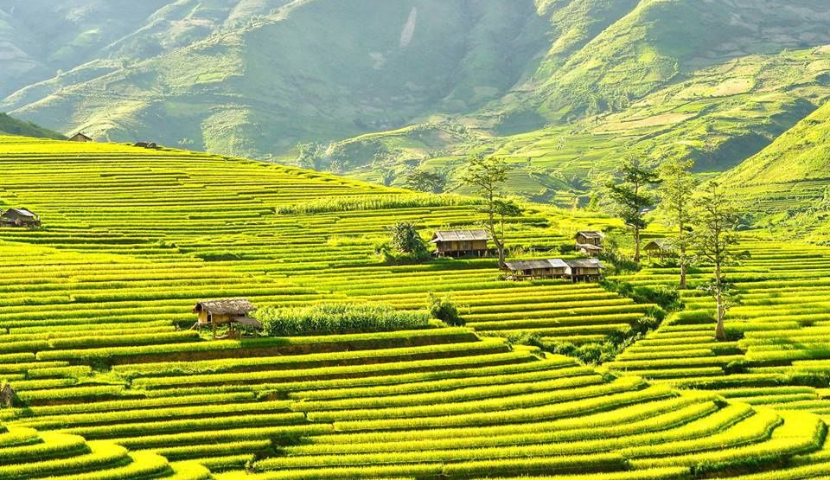
If you don't like crowds, try visiting Mu Cang Chai in November or December. This is the off-season, so costs will be incredibly low and there won't be any hotel shortages. Visiting Mu Cang Chai during this time offers a truly peaceful atmosphere. No traffic jams, no queues for photos; the entire scenery is yours, perfect for those who want to "heal" and escape the city's hustle and bustle.
This is when Mu Cang Chai dons a new coat, no longer the proud golden color of ripe rice, but instead its inherent tranquility and serenity. The rice has been harvested, leaving only the gray stubble, hidden behind a hazy mist.
This is the time when Mu Cang Chai is transformed, shedding its proud golden hues of ripe rice and embracing its inherent serenity and peace. The weather in Mu Cang Chai this season is quite cold and dry, with a temperature difference between day and night of 12 to 18 degrees Celsius. It's sunny during the day and drops to 6 degrees Celsius or lower at night. So if you plan to visit, remember to bring plenty of warm clothes.
Although the temperature is quite cold, traveling to Mu Cang Chai this season offers unique experiences. The most special is hunting for the Tớ Dầy flowers, a seasonal flower that blooms especially in December along the hillsides of Lao Chai, Che Cu Nha, and Nam Khat. Visitors can also hunt for clouds on Khau Pha Pass on very cold days; the pass summit will have billowing seas of clouds in the early morning, or you can relax and admire the blue smoke rising from the terraced rice fields in the evening – a magical and poetic scene that will leave a lasting impression on anyone who has visited. Furthermore, this is the season when locals are relaxed after the harvest, so tourists can experience the local culture by visiting villages to watch people weaving brocade, pounding rice cakes, lighting bonfires, and enjoying grilled chicken and other specialties.
A small note: this season will not have the lush green or golden rice paddies, but only the brown and gray color of dry stubble, so if you come for photo opportunities, you might be slightly disappointed. Also, this is the season with harsh weather and the biting cold of the highlands, which can pose health challenges for the elderly and young children. Ignoring all those points, Mu Cang Chai in this season is truly a worthwhile experience if you are looking for peace, a break from the hustle and bustle of the city, or simply a place to relax and enjoy the scenery.
2.5 From January to February: The Dance of Spring
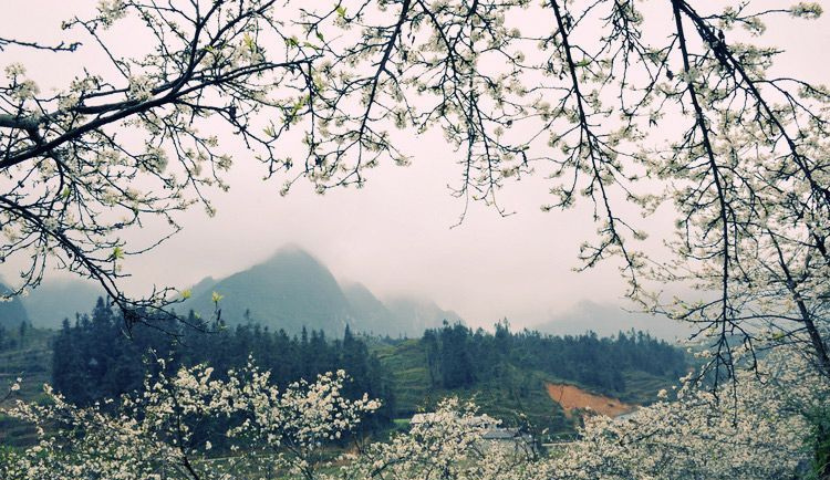
January and February are the months when Mu Cang Chai captivates visitors with its springtime charm. This is the time of transition, when the Northwest region seems to enter a magical phase as the last breaths of winter give way to the first warm rays of sunshine. This month is also the end of the season for the Tớ Dầy flower, also known as the wild peach blossom, its pink hues painting the hillsides. As February progresses, these pink blossoms gradually fade, giving way to the pristine white plum and apricot blossoms. These white blossoms bring the colors of spring to the landscape, creating a peaceful scene along the small paths leading to the villages. Mu Cang Chai at this time is free from the usual noise, replaced by a quiet yet vibrant atmosphere, ready for a prosperous new year.
The weather this season is characterized by very low temperatures, often below 5 degrees Celsius, accompanied by drizzle, fog, and occasional snowfall, making visitors feel the biting cold. However, this harsh weather also creates a unique landscape typical of the Northwest mountainous region.
This time of year also coincides with the Lunar New Year and Independence Day of the Hmong people, allowing visitors to immerse themselves in the festive atmosphere with special ethnic festivals such as the Gau Tao festival, the biggest festival of the year for the Hmong people, to pray for blessings and good fortune. Visitors can also dress up as locals, wearing traditional clothing and playing games like pa pao throwing and spinning tops, enjoying the melodious Hmong flute music echoing throughout the mountains. Stopping by a local house, sitting by a warm fire to warm your hands, sipping a glass of strong, spicy rice wine, and savoring a piece of fragrant, chewy rice cake, visitors will feel all cultural and geographical barriers disappear.
Despite the somewhat arduous journey and bone-chilling weather, visitors will experience the full beauty of Mu Cang Chai unspoiled by tourists, offering only peaceful surroundings and immersion in nature. It's a truly poetic experience for those who love the pristine and romantic atmosphere of spring in Northwest Vietnam.
2.6 From March to April: Shifting Seasons
Visiting Mu Cang Chai in March and April is a tranquil transitional period, marking the beginning of late spring and early summer. This is a particularly special time because the temperature is warm and pleasant, ranging from 18 to 25 degrees Celsius, with dry weather and abundant sunshine. The fog gradually dissipates, revealing a clear blue sky. This is also the period before the rice paddies begin to water, so the rice fields remain bare, a grayish-brown color, preserving their simple and pristine beauty. This is also the low season for tourism in Mu Cang Chai, with fewer natural sights and fewer festivals as locals focus on cleaning and preparing for the harvest. However, this season is ideal for those who enjoy peace and quiet but cannot tolerate extremely cold weather.
With this cool weather, this is the perfect time for mountain climbing and trekking enthusiasts to venture deep into the villages, leisurely strolling under the forest canopy and observing the peaceful life of the Hmong and Thai ethnic groups. The locals are busy working, preparing for the new planting season. Additionally, you can chase clouds or admire the breathtaking sunsets in Mu Cang Chai. Or you can participate in other outdoor activities such as paragliding to enjoy panoramic views from above.
Regarding transportation: To reach Mu Cang Chai, visitors must cross Khau Pha Pass, one of the "four great mountain passes." Don't miss the breathtaking natural scenery and treacherous curves, especially in winter with thick fog in the early morning and late afternoon, and sudden drizzles. Be aware of slippery and dangerous roads.
Regarding clothing: Prepare beautiful outfits for taking photos with the terraced rice fields or comfortable clothes for outdoor activities. Because of the temperature difference between day and night, remember to bring a light sweater in case the temperature drops at night. If you go in winter, don't forget puffer jackets, scarves, wool hats, and heat patches to keep warm. Also, prepare good waterproof and non-slip shoes if you plan on trekking. To capture beautiful photos amidst the mountains and forests of Northwest Vietnam, don't forget your traditional brocade clothing!
Regarding accommodation: during peak tourist season or the rainy season, transportation services are always fully booked, and hotels and homestays are often fully booked. Therefore, it's always advisable to book these services at least 3 weeks to 1 month in advance to secure your preferred accommodations.
Regarding activies: do not miss Mu Cang Chai’s annual Terraced Fields Festival from September to October. This event features the thrilling "Flying over the Golden Season" paragliding at Khau Pha Pass, offering breathtaking views of the golden rice valley. You can also immerse yourself in the Tu Le Green Rice Pounding Festival to taste the famous fragrant dish. At night, enjoy bonfires and traditional Xoe dances with the Thai and Mong ethnic groups in local villages. These vibrant cultural activities, local festivals, and outdoor adventures will surely make your mountain trip an unforgettable experience....
The rest is up to you to relax and slowly appreciate the beauty of Mu Cang Chai in your own way.
Mu Cang Chai is always a popular tourist destination for both domestic and international visitors, and each season offers a different experience depending on the purpose of your trip. If you love nature and the wild, majestic beauty of the Northwest mountains but dislike crowds, you should visit during the off-peak season. However, if you have the chance, don't miss the golden months of September and October to admire Mu Cang Chai bathed in a vibrant golden hue from the terraced rice fields embracing the hills, or immerse yourself in outdoor activities and interact with the locals. We wish you a memorable experience in Mu Cang Chai.
Related articles: