
Ciao splendida Sole !
Abbiamo visionato il sito e l abbiamo trovato fatto molto bene e interessante, riteniamo che sia di facile comprensione e con tutte le...
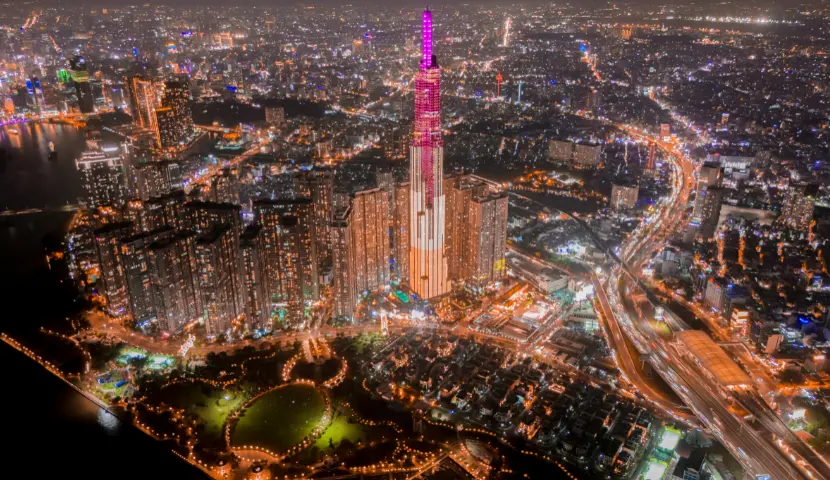
Southern Vietnam captivates visitors with its pleasant tropical climate, diverse landscapes, and countless exciting experiences year-round. From relaxing beach holidays to journeys exploring unique culture and nature, each season offers its own distinct beauty. If you're planning a trip, choosing the right time will help you fully enjoy the best this region has to offer.
Best Time to Visit and Travel South of Vietnam
1. Things to Know About Southern Vietnam
1.1 Where Is Southern Vietnam Located?
1.2 Which Provinces and Cities Are Included in Southern Vietnam?
1.3 How to Get to Southern Vietnam
2. When Is the Best Time to Visit Southern Vietnam?
2.1 Dry Season (December - April)
2.2 Rainy Season (May - November)
3. Featured Destinations in Southern Vietnam
3.1 Ho Chi Minh City - The Dynamic Heart of Southern Vietnam
3.2 Phu Quoc - Tropical Paradise
3.3 The Mekong Delta Provinces - The Agricultural and Cultural Heartland of Southern Vietnam
3.4 Con Dao Islands - A Pristine Escape of Nature and History
3.5 Vung Tau - A Popular Coastal Getaway
4. Conclusion
1.1 Where Is Southern Vietnam Located?
Southern Vietnam, located in the southernmost part of the country, encompasses the Southeast region and the Mekong Delta. Its relatively flat terrain, dense network of rivers, and long coastline facing the East Sea and the Gulf of Thailand make it a gateway connecting Vietnam to many countries in Southeast Asia. Thanks to this, the South is not only famous for its stunning coastal and island areas but also boasts fertile fields, mangrove forests, and a unique network of waterways, creating a distinct appeal for the region and offering visitors a variety of experiences, from relaxation and nature exploration to learning about local culture.
1.2 Which Provinces and Cities Are Included in Southern Vietnam?
Southern Vietnam encompasses two main geographical regions: the Southeast and the Mekong Delta, including the provinces and cities of Ho Chi Minh City, Tay Ninh, Binh Phuoc, Binh Duong, Dong Nai, Ba Ria - Vung Tau, Long An, Tien Giang, Ben Tre, Tra Vinh, Vinh Long, Dong Thap, An Giang, Kien Giang, Can Tho, Hau Giang, Soc Trang, Bac Lieu, and Ca Mau. Stretching from the southern gateway to the southernmost point of the country, this region is notable for its diverse landscapes, from modern cities and beautiful beaches to vast fields, lush orchards, and the distinctive river systems of the Mekong Delta. As a result, Southern Vietnam offers a wealth of travel experiences, suitable for both tourists who enjoy relaxation, nature exploration, and learning about local culture.
1.3 How to Get to Southern Vietnam
Thanks to its well-developed transportation system, visitors can easily reach Southern Vietnam by various means. Air travel is the most convenient option, with domestic and international flights connecting to major airports in the region. For those who prefer scenic views along the way and a more leisurely journey, trains or buses from other provinces and cities in Vietnam are a good choice. For those who love freedom, traveling by car or motorbike is also a popular option, especially when exploring multiple destinations in a single trip. After arriving in the South, visitors can continue their journey by bus, taxi, ride-hailing service, ferry, or speedboat to explore the cities, waterways, and famous islands in the region.
2.1 Dry Season (December - April)
The dry season, from December to April, is considered the ideal time to travel to Southern Vietnam. During this period, the weather is mostly dry, sunny, and with little rain, and average temperatures ranging from 25 to 32°C. These favorable weather conditions allow tourists to enjoy a wonderful trip, participating in outdoor activities and visiting famous landmarks for extended periods without worrying about heavy rain. Furthermore, visiting during the Lunar New Year offers the chance to admire vibrant flower-lined roads, traditional cultural programs, and a festive atmosphere rich in Vietnamese identity. For nature lovers, this is the ideal season to explore national parks and nature reserves, as the stable weather makes travel easier and is perfect for activities such as hiking, cycling, boating, or observing flora and fauna in their natural environment. This is also a good time to visit orchards and enjoy many kinds of specialty tropical fruits. For those who love the sea and islands, they can enjoy a trip to beautiful beaches and islands when the sea is calm and the sun is shining, creating the perfect setting for relaxation, watching the sunset, snorkeling, or participating in water sports.
2.2 Rainy Season (May - November)
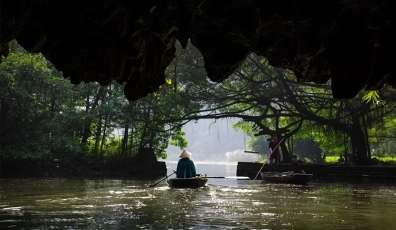
The rainy season in Southern Vietnam typically lasts from May to November, with short bursts of rain in the afternoon or evening, occasionally accompanied by thunderstorms and tornadoes. However, there are still periods of dry weather suitable for sightseeing and exploration. Generally, this season isn't ideal for tourism in the South, but visitors can still travel without significant weather-related obstacles. Rainfall peaks around August, September, and October, with longer and more frequent showers, especially in the Mekong Delta provinces. This leads to flooding in many areas of the delta, creating a characteristic landscape of flooded rice paddies, lush mangrove forests, and a rich ecosystem. Visitors can experience boat trips through the canals, visit floating markets, enjoy seasonal specialties, and learn about the lives of the local people.
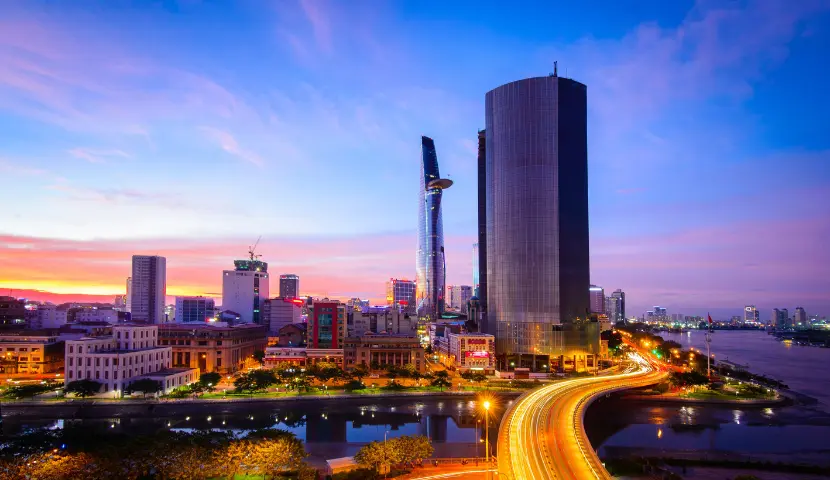
3.1 Ho Chi Minh City - The Dynamic Heart of Southern Vietnam
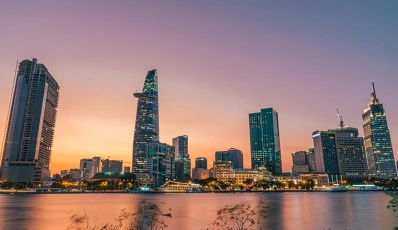
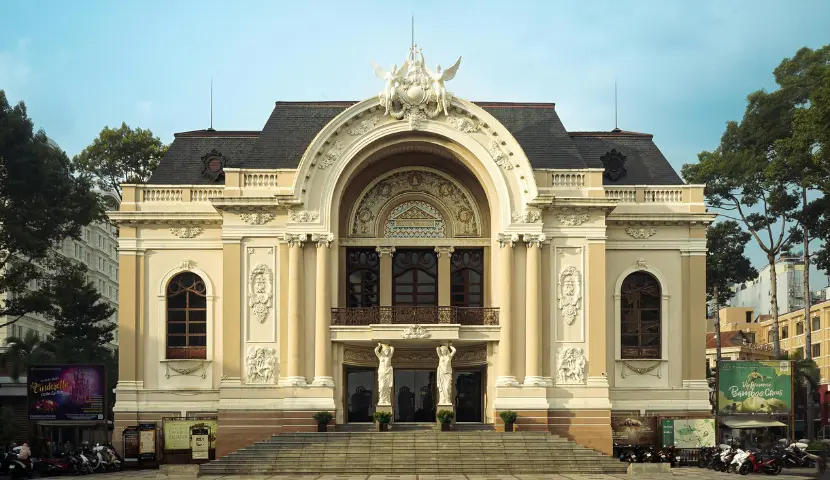
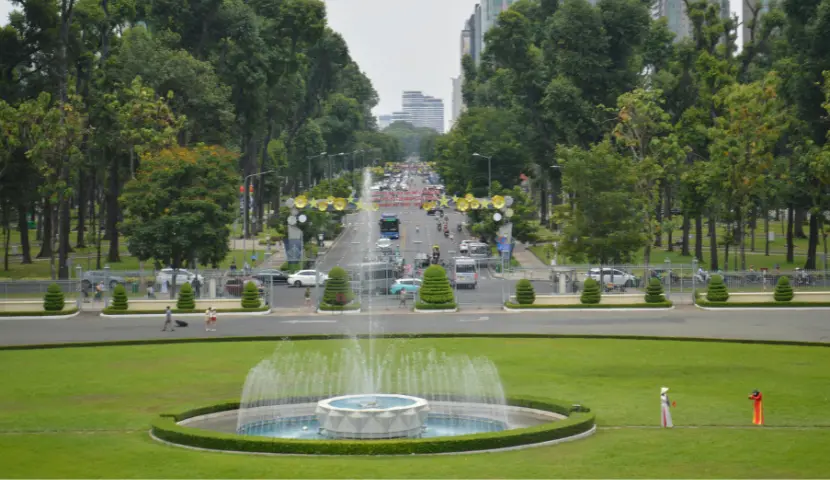
As the largest economic, cultural, and tourist center in Southern Vietnam, Ho Chi Minh City attracts visitors with its harmonious blend of historical landmarks, colonial architecture, modern shopping districts, and vibrant street food. It's an ideal destination for those seeking to learn about history, explore local culture, and experience the bustling life of a major metropolis. The city can be visited year-round, but the dry season from December to April is generally considered the most favorable due to its sunny weather and minimal rain. Visitors can easily explore famous landmarks such as the Independence Palace, Notre Dame Cathedral, the Central Post Office, the War Remnants Museum, and Ben Thanh Market. Additionally, experiencing street food in the city's food districts or enjoying a cup of egg coffee by the Saigon River are experiences not to be missed.
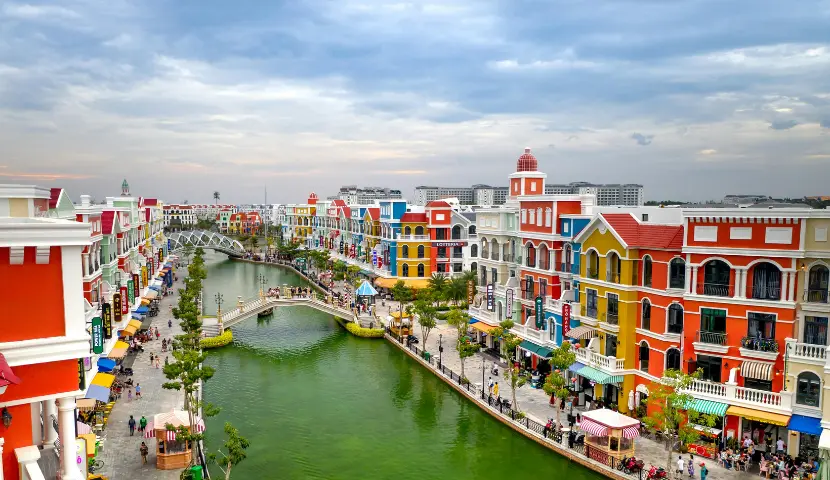
3.2 Phu Quoc - A Tropical Paradise
Located in the Gulf of Thailand and the largest island in Vietnam, Phu Quoc is famous for its white sandy beaches, crystal-clear waters, and diverse natural ecosystem. This pearl island attracts tourists every year with its tropical beauty, luxury resorts, and many attractive activities such as snorkeling, kayaking, night squid fishing, and exploring the surrounding islets. The best time to visit Phu Quoc is from November to April, when the island enters the dry season with sunny weather, calm seas, and low humidity, ideal for swimming, participating in water activities, and watching the sunset. Famous beaches such as Bai Sao, Bai Khem, and Bai Truong are especially attractive to tourists during this season thanks to their clear water and romantic scenery. In addition, Grand World Phu Quoc, VinWonders Phu Quoc, Vinpearl Safari, Dinh Cau, Ham Ninh fishing village, Phu Quoc night market, and Phu Quoc Prison are also ideal destinations for tourists to visit.
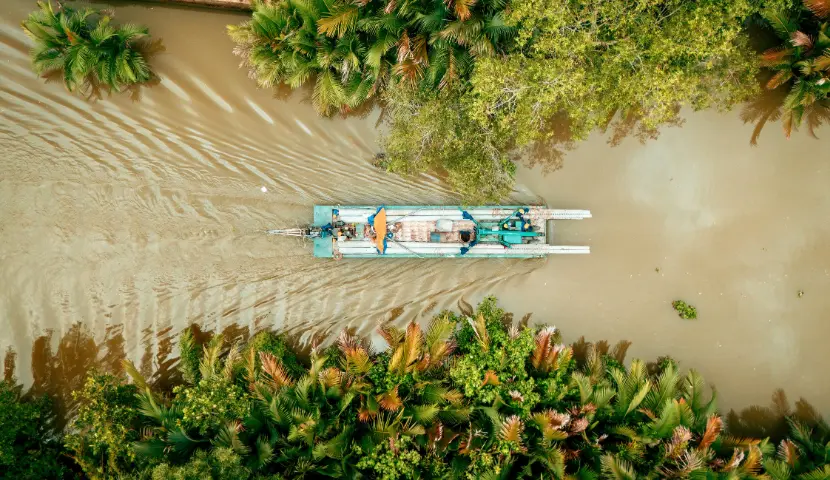
3.3 The Mekong Delta Provinces - The Agricultural and Cultural Heartland of Southern Vietnam
The Mekong Delta, located in the southernmost part of Vietnam, is famous for its intricate network of rivers and canals, along with vast rice paddies and orchards. It's an ideal destination for tourists seeking to explore the tranquil beauty of the Southern countryside and learn about the unique riverine culture. Tourism in the Mekong Delta offers many unique experiences, such as visiting the Cai Rang floating market in Can Tho, exploring the Tra Su mangrove forest in An Giang, cruising through the small canals in Ben Tre, or visiting Ca Mau Cape - the southernmost point of the country. Visitors can also enjoy a variety of fresh tropical fruits in the orchards of Tien Giang, Vinh Long, and Dong Thap, while experiencing the peaceful life of the local people, enjoying traditional Cai Luong performances and Don Ca Tai Tu folk music.
The best time to explore this area is from September to November, when the water level from the upper Mekong River flows down, covering many areas in the region, creating a landscape of rivers and waterways with vast flooded fields, lush green mangrove forests, and a rich ecosystem. Visitors can participate in activities such as boat trips through the mangrove forests, birdwatching, visiting floating markets, and experiencing daily life. In addition, May to August also attracts many tourists thanks to the fruit orchards with abundant rambutan, durian, mangosteen, mango, and longan, allowing visitors to experience picking and enjoying fresh fruit right in the orchards.
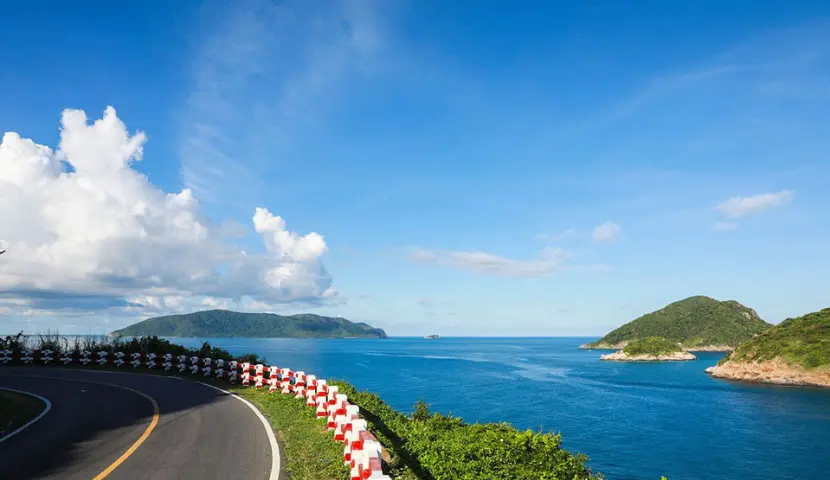
3.4 Con Dao Islands - A Pristine Escape of Nature and History
Con Dao is an archipelago located off the southern coast of Vietnam, famous for its pristine beaches, crystal-clear waters, and diverse marine ecosystem. It's an ideal destination for nature lovers seeking peace and quiet and wanting to escape the hustle and bustle of crowded tourist areas. Beyond its stunning scenery, Con Dao is also a place of great historical value, with a system of historical sites linked to Vietnamese history, including famous landmarks such as Dam Trau Beach, Nhat Beach, Bay Canh Island, Con Dao National Park, Shark Cape, and Pier 914. In addition, Con Dao Prison, Phu Hai Camp, and Hang Duong Cemetery are important destinations for visitors to learn about the history and culture of this archipelago. Besides sightseeing and relaxation, Con Dao is also famous for activities such as snorkeling to see coral reefs, kayaking, trekking in the primeval forest, and exploring the surrounding small islands. Especially from May to October, visitors have the opportunity to witness the sea turtle nesting season at Hon Bay Canh - one of the most unique nature experiences in Vietnam.
3.5 Vung Tau - A Popular Coastal Getaway
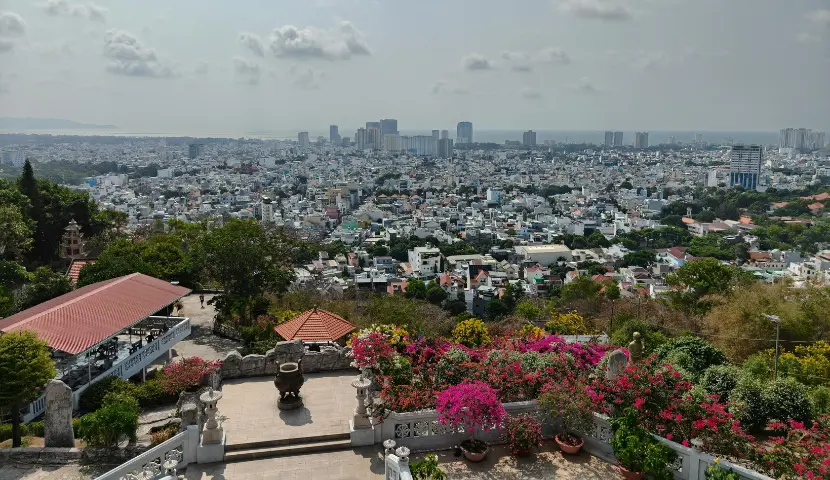
Vung Tau is one of the most popular seaside tourist destinations in Southern Vietnam, attracting visitors with its convenient location (just a few hours away), beautiful beaches, and many attractive recreational activities for short trips or weekend getaways. Vung Tau also boasts many notable landmarks such as the Christ the King Statue, Vung Tau Lighthouse, Nghinh Phong Cape, Bach Dinh Palace, and Pig Hill. Like other destinations in Southern Vietnam, November to April is the best time to visit because the weather is dry, sunny, and the sea is relatively calm, ideal for swimming, sightseeing, exploring the city, and enjoying fresh seafood.
Southern Vietnam is a year-round destination offering a diverse range of landscapes, cultures, and travel experiences, from stunning beaches and pristine islands to distinctive waterways and vibrant cities, each with its own unique charm. While the dry season from December to April is often considered ideal due to its sunny and dry weather, the rainy season from May to November also offers unique experiences with lush green landscapes, abundant fruit, and the characteristic flooding of the Mekong Delta. Regardless of the time of year, Southern Vietnam promises a colorful journey of discovery, from its nature and culture to its distinctive local cuisine.
Related articles:
>> All you need to know about Ho Chi Minh