





Ciao splendida Sole !
Abbiamo visionato il sito e l abbiamo trovato fatto molto bene e interessante, riteniamo che sia di facile comprensione e con tutte le...
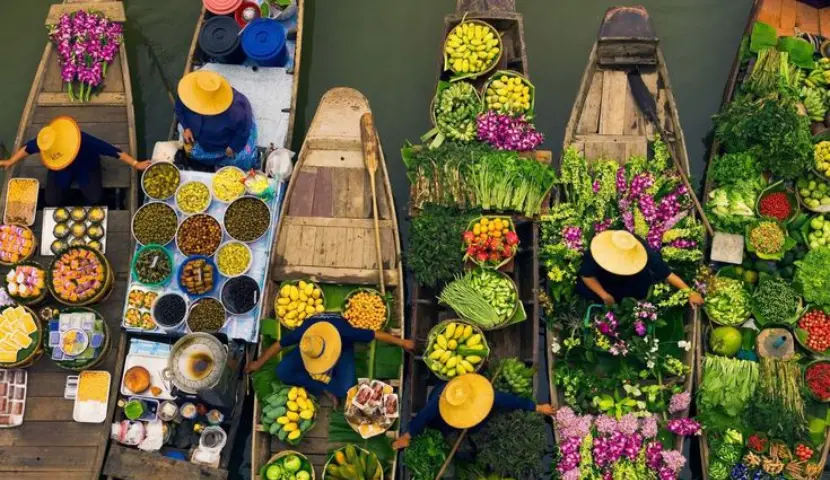
Throughout Vietnam, there are regions whose names alone evoke a distinctive flavor, and vice versa. For example, when mentioning beef noodle soup, people will immediately think of Hue, and when talking about grilled pork noodle soup, they'll think of Hanoi. The same goes for Southern Vietnamese cuisine; when mentioning dishes from the South, especially the southwestern region, the sweet and rich flavors unconsciously come to mind. The sweetness and richness of coconut milk combined with the savory taste of fish sauce made from river fish create many memorable dishes.
If you're a true food lover and planning a trip to Southern Vietnam, here are some things you should keep in mind!
Traditional dishes in South
1. Why Southern Vietnamese Food is So Special
2. Must-Try Dishes: Tasting the Best of Southern Vietnam
2.1 Com Tam (Broken Rice
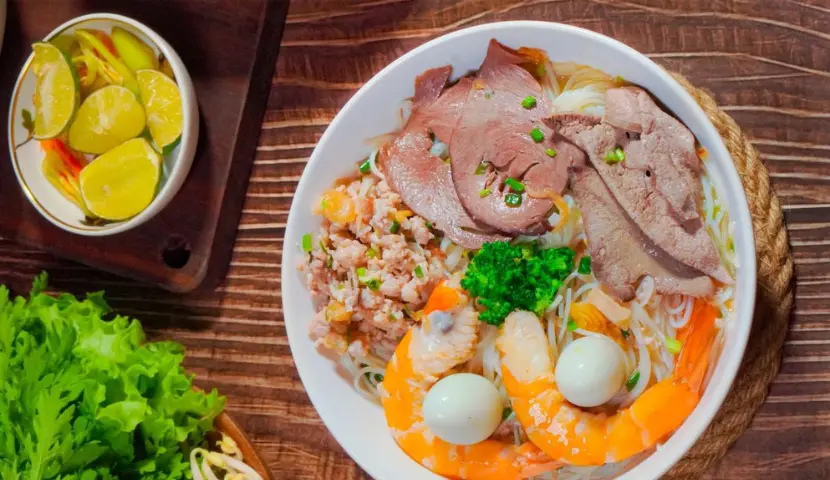
2.2 Hu Tieu (Noodle Soup)
2.3 Braised Fish & Sour Soup
2.4 Bun Mam (Fermented Fish Noodle Soup)
2.5 Thit Kho Hot Vit (Braised Pork with Eggs)
2.6 Goi cuon (Vietnamese spring rolls)
2.7 Banh Bo Thot Not (Palm Sugar Cake)
2.8 Banh Xeo (Sizzling Pancakes)
3. The True Spirit of Southern Vietnamese Food
Southern Vietnam is a fertile region blessed by nature with both favorable weather and delicious cuisine. Traveling along the provinces in the Mekong Delta, visitors can easily find ponds teeming with fish and shrimp, lush green gardens, and orchards overflowing with a wide variety of fruits. The locals utilize readily available ingredients to create simple yet flavorful dishes, such as dried fish and mango salad, jackfruit stewed in coconut milk, and jackfruit salad.
Besides these rustic flavors, Southern Vietnamese cuisine is also known for its sweetness, often very sweet. If you travel through the Mekong Delta provinces, you'll also see jars of sugar neatly arranged in condiment trays at restaurants. But did you know that the sweetness here isn't simply the sweetness of sugar? Southerners skillfully combine fruits with their dishes to create a delicate sweetness that isn't overpowering, like pineapple and coconut. When cooked, coconut milk permeates the ingredients, creating a natural sweetness and a rich, creamy flavor. This is the "secret weapon" that appears in most Southern Vietnamese dishes, creating a unique and unmistakable taste for both sweet and savory dishes.
Southern Vietnamese dishes are sweet to very sweet; even the image of neatly arranged jars of sugar in condiment trays at restaurants has become a trademark of the South. But the sweetness here isn't just sugar; it's also the delicate combination of coconut milk infused into each piece of meat, the rich sweetness of palm sugar infused in rice cakes, and especially the rich, fragrant creaminess of coconut milk – the powerful secret weapon that appears in most Southern Vietnamese dishes, creating a unique and unmistakable flavor for both sweet and savory dishes.
Thanks to the cultural exchange between the Khmer and Chinese ethnic groups in the South, the local cuisine is even more diverse. The cooking methods in the South are also quite varied, sometimes requiring meticulous preparation, other times being simple and relaxed. The cooking style is flexible and adaptable to the local way of life.
To truly understand the soul of Southern cuisine, there are dishes that you must try at least once in your life when setting foot here. From dishes that appear in warm family meals to childhood snacks.
2.1 Com Tam (Broken Rice) - The All-Day Favorite
Saigon-style broken rice (Com Tam) is considered a national dish in Southern Vietnam due to its convenience and ease of cooking. Originally a dish for laborers in Saigon, Com Tam has gradually become known as a delicious, quick, and flavorful meal. You can find Com Tam restaurants on almost any street in any city. Because of its convenience, people can eat it for breakfast, lunch, dinner, and even late-night snacks.
A standard plate of Com Tam includes rice cooked from broken rice grains, which are fluffy and have a distinctive, delicious aroma that no other type of rice can match. The pork ribs are marinated and grilled over charcoal until golden brown and slightly charred. The chewy pork skin is complemented by a rich, golden egg. Diners can enjoy it with various toppings such as fried eggs, Chinese sausage, and some crispy pork cracklings, drizzled with scallion oil. Furthermore, a delicious plate of rice is incomplete without a bowl of sweet and savory fish sauce to accompany it. The fragrant aroma of the rice, the rich flavor of the meat, the chewy texture of the pork skin, the soft texture of the egg patty, and the salty-sweet taste of the fish sauce blend together to create an explosion of flavor from the very first bite.
2.2 Hu Tieu (Noodle Soup) - The Soulful Southern Noodle
Hu Tieu is a signature noodle soup dish of Southern Vietnam. Similar to pho in Hanoi and bun bo in Hue, Hu Tieu is a favorite among noodle soup lovers. A cultural fusion of Vietnamese, Chinese, and Khmer influences, Hu Tieu successfully preserves traditional culinary values.
Hu Tieu has many variations with different toppings and cooking methods, making it incredibly diverse. Some characteristic types of Hu Tieu from different cities include squid Hu Tieu from Vung Tau, Hu Tieu My Tho from Tien Giang, and Phnom Penh Hu Tieu popular in the Southwestern cities. Each type of Hu Tieu also has its own way of eating, such as Hu Tieu with broth and dry Hu Tieu.
Mixed rice noodle soup is a type of rice noodle dish where hot broth is poured directly into the bowl and eaten, while dry rice noodle soup is served in two separate bowls: the noodles and the broth. The noodles are mixed with special sauces and spices, then mixed well before eating, while the broth is served as a soup rather than being added to the bowl. Mixed rice noodle soup has a richer, more flavorful taste, while rice noodle soup is easier to eat. Whichever version you choose, it will surely tantalize your taste buds.
Generally, the firm rice noodles are blanched in boiling water to soften and chew before eating, combined with various toppings such as shrimp, minced meat, pork offal, and green vegetables to create a rich and varied dish. The clear broth is simmered from bones and dried shrimp for many hours, resulting in a sweet and savory flavor.
.
2.3 Braised Fish & Sour Soup - The Perfect Home Meal
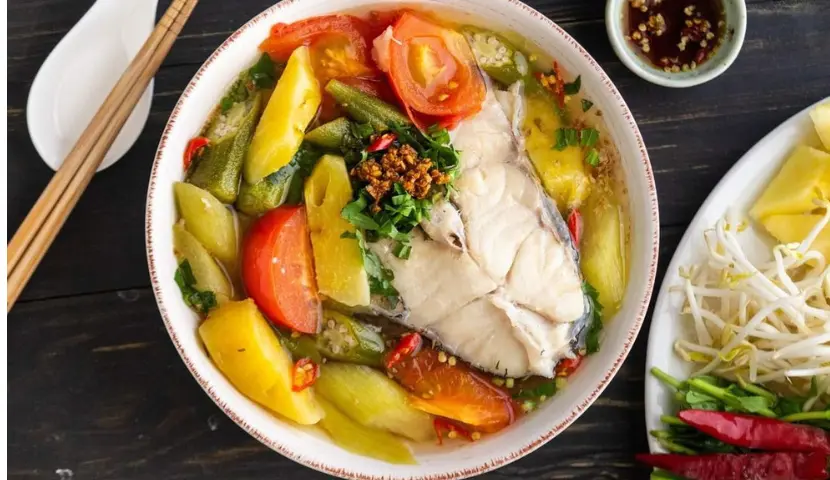
Braised fish in a clay pot and sour fish soup are the perfect pairing for a Southern Vietnamese family meal. Originating from the South, especially the Mekong Delta, these two dishes have become deeply ingrained in the families of this region.
While braised fish is found everywhere, Southern-style braised fish truly has a distinct flavor. The fish used are typically river-caught, braised in clay pots to retain heat, allowing the fish to cook slowly and absorb the flavors evenly. Using simple yet flavorful Southern Vietnamese seasonings, the fish is braised over a fire until the sauce thickens to a reddish-brown color, boasting a savory aroma from the fish sauce, the subtle sweetness of sugar and coconut milk, the richness of the fish and pork belly, and the fragrant spiciness of pepper and chili. This dish is particularly addictive, especially on rainy days, due to its rich flavor; it's a perfect accompaniment to white rice. This dish is especially memorable for many who are far from home, as it evokes images of simple and warm family meals.
Sour fish soup is a common dish found on family dinner tables. With simple ingredients like river fish cooked with tamarind for a sour taste, and toppings like tomatoes, pineapple, mint, bean sprouts, okra, and coriander, the soup has a mild sourness that stimulates the taste buds, a sweet and refreshing flavor from the fish and vegetables, and a fragrant aroma. It's a very easy-to-eat dish; a hot bowl of sour soup with its perfect balance of sweet and sour flavors is enough to soothe a tired day.
2.4 Bun Mam (Fermented Fish Noodle Soup) - A Bold Western Flavor
The Mekong Delta is a paradise of fermented river fish sauces, and most dishes here have the flavor of the rivers. Among the countless dishes made with fermented fish sauce, one must mention bun mam (rice noodles with fermented fish sauce). At first glance, many people will probably imagine the smell of this dish. But don't guess yet! If you've never tried bun mam, you won't be able to imagine how delicious it is. This is also a dish that challenges the courage of diners because not everyone dares to try it due to its strong flavor, but once you've tried it, you'll be hooked. A delicious bowl of bun mam will have all the ingredients: thick, round rice noodles, toppings like steamed snakehead fish, roasted pork, boiled shrimp, squid, along with a basket of bitter herbs, water lilies, and bean sprouts. But the flavor of the broth is what truly determines the deliciousness of this dish. The broth is made from fermented snakehead fish and catfish, two types of fish found only in the Mekong Delta. The fish are simmered until tender, then finely chopped lemongrass and chili peppers are added to enhance the aroma, and finally, fresh coconut water is added to harmonize the sweet, fragrant flavor without being overpowering.
This is a popular dish in the Mekong Delta, and if you have the chance to visit, don't miss the opportunity to try this flavorful dish from the region.
2.5 Thit Kho Hot Vit (Braised Pork with Eggs) - The Taste of Tet Holiday
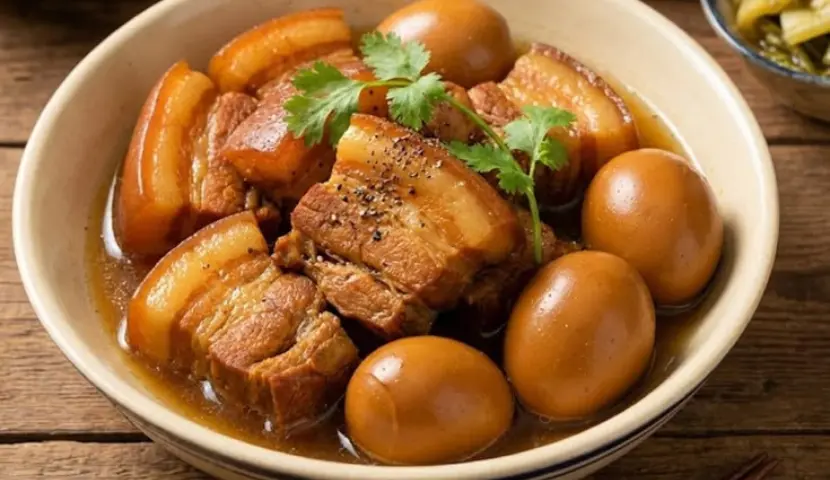
Braised pork with duck eggs is a rustic dish found on almost every Vietnamese dinner table, and most commonly during Tet (Lunar New Year) in Southern Vietnam. Pork belly is cut into large, square pieces, marinated with spices, and sun-dried until the fat becomes translucent before being braised. The pork is braised with boiled duck eggs in coconut milk over low heat for an hour until the meat is tender and flavorful, the fat melts in your mouth, and the sauce thickens into a brown color without the need for artificial coloring. The square pieces of pork and round eggs symbolize the harmony between earth and sky, representing a year of completeness and perfection. That's why this dish is always present on the Tet dinner table in Southern Vietnam.
2.6 Goi cuon (Vietnamese spring rolls) - A fresh and healthy choice
Vietnamese spring rolls are one of the most popular traditional dishes in Vietnam; this is also a dish that was once voted by CNN as one of the best dishes in the world thanks to its freshness and healthiness. A flavorful and authentic spring roll is a harmonious combination of a soft and thin rice paper layer on the outside, neatly wrapping the filling that includes boiled shrimp, boiled pork, fresh rice vermicelli to create thickness for the roll, and raw vegetables. Whether the spring rolls are delicious or not depends heavily on the accompanying dipping sauce; depending on each person's preference, there are 3 different types of dipping sauces. Peanut butter hoisin sauce is the most popular dipping sauce served with the spring rolls. With a smooth and thick texture, the rich flavor of ground hoisin sauce combines with peanut butter, accented with a bit of pickled vegetables, roasted peanuts, and minced chili. For those who prefer a rich, traditional flavor that stimulates the taste buds, seasoned fish sauce (mam nem) is the perfect choice. With the characteristic flavor of fermented fish sauce, it is mixed with finely chopped pineapple, lime, and chili. The remaining one is sweet and sour fish sauce, suitable for those who like freshness and a taste that is not too pungent. Simple ingredients are mixed from fish sauce, garlic, chili, sugar, and lime, creating a sour, spicy, sweet, and salty taste all in the same dipping bowl.
Vietnamese spring rolls are a dish loved by many people not only for its convenience but also because it is good for health. Without deep-frying in oil, the spring rolls retain the full, fresh flavor of each ingredient.
2.7 Banh Bo Thot Not (Palm Sugar Cake) - A Sweet Pride of An Giang
An Giang is the land of the palm tree, a type of palm tree that produces sweet, used not only for making syrup and sugar but also as an ingredient in many dishes. An Giang is also a paradise for sweet pastries such as pig skin cake, steamed banana cake, cassava cake, etc., and among them, palm sugar rice cake stands out as a source of pride for the An Giang region.
Using only simple ingredients like rice flour, coconut milk, and palm sugar, the people here skillfully create a delicious, beautiful, and culturally rich cake. Although simple, the cake still requires meticulous attention from the bakers to adjust the ingredients and cooking time. This cake is capable of captivating diners at first sight with its naturally golden color, a light aroma slightly similar to caramel, a soft cake shaped like bamboo roots, and a sweet, delicate taste combined with rich coconut milk that is easy to eat without being overpowering.
Nowadays, this cake is quite commonly sold in rural markets or on the roadside. It doesn't need to be overly elaborate; a slice of cake with a little coconut milk is enough to bring back childhood memories or evoke special feelings for those tasting it for the first time.
2.8 Banh Xeo (Sizzling Pancakes) - The Ultimate Family Gathering Dish
Unlike the Central Vietnamese pancake (banh xeo), the Western Vietnamese banh xeo is cooked on a large pan over medium heat. The name "banh xeo" comes from the sound made when the batter is poured into the hot pan. The sizzling sound is crisp and clear, and the rising steam carries the aroma of scallions and coconut milk, instantly awakening the senses of diners. The thin crust wraps around a generous filling of pork belly, shrimp, bean sprouts, and especially during the flood season, it may include water hyacinth flowers or palm heart. The proper way to eat banh xeo is to wrap a piece of banh xeo with some greens in a thin rice paper wrapper and dip it in sweet and sour fish sauce, creating a delightful experience.
You can find many Western Vietnamese banh xeo restaurants here. Banh xeo is delicious, and it's best enjoyed with family and friends. Because preparing a banh xeo meal requires everyone to come together. Some were grinding the flour, others washing the vegetables, while the children stood watching, waiting for the first pancakes to come out of the oven, then reaching out to sneak a bite. The feeling of chatting lively while making pancakes created a warm and cozy atmosphere.
While Northern Vietnamese cuisine emphasizes formality and Central Vietnamese cuisine leans towards meticulous preparation, Southern Vietnamese cuisine adapts and harmonizes with nature, featuring seasonal dishes. Blessed with favorable weather, climate, and abundant resources, Southern Vietnamese dishes are always generous, open-minded, and approachable, much like the people of the South.
Southern Vietnamese cuisine doesn't require you to slowly savor its layers of flavor; it's present from the very first bite, gradually captivating diners with its genuine and fresh taste. Even after leaving the rich, sweet taste of coconut milk or the spicy kick of pepper, the flavor lingers in the mind, compelling diners to return for another experience.
Related articles:
>> All you need to know about Ho Chi Minh