
Ciao splendida Sole !
Abbiamo visionato il sito e l abbiamo trovato fatto molto bene e interessante, riteniamo che sia di facile comprensione e con tutte le...
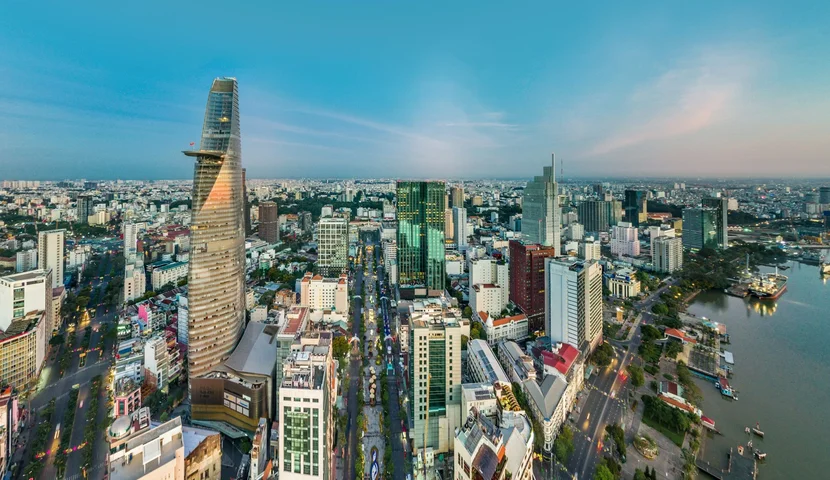
Ho Chi Minh City - still widely known as Saigon - is Vietnam's largest city and its commercial and economic hub. Faster-paced and more modern in feel than Hanoi, the city combines glass skyscrapers with French colonial architecture, traditional markets, historic landmarks and one of Vietnam's most exciting food scenes.
A few days here can easily combine history, street food, shopping, nightlife and day trips. Whether you are visiting Vietnam for the first time or returning for another taste of southern life, these are the best things to do in Ho Chi Minh City.
Top things to do in Ho Chi Minh city
District 1 is where many visitors begin exploring Ho Chi Minh City. It is the city's traditional commercial centre and contains a dense concentration of major attractions, restaurants, hotels, shopping streets and historic buildings.
The Saigon Notre-Dame Basilica stands near the heart of the city's historic centre, beside theSaigon Central Post Office. The cathedral dates from the French colonial period and remains one of the city's most recognisable landmarks. Restoration work has been ongoing, so visitors should check the current access situation if they specifically want to see the interior.
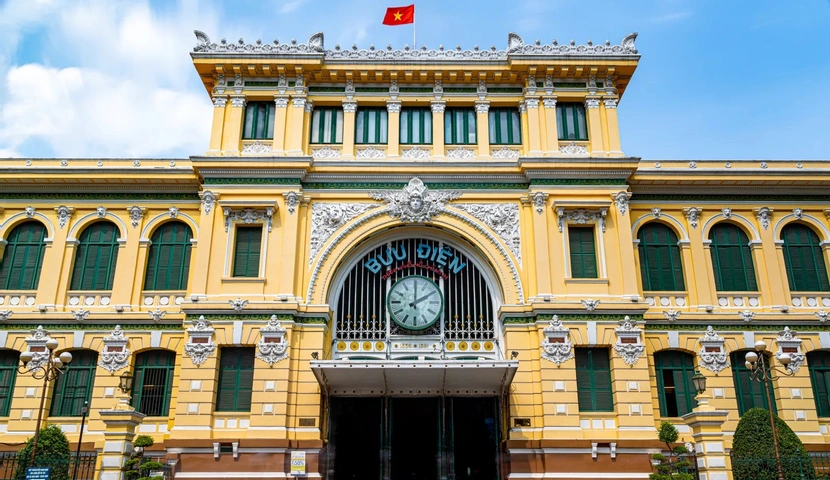
Just across the square, the Saigon Central Post Office is one of Ho Chi Minh City's most distinctive colonial buildings. Constructed between 1886 and 1891, it combines European architectural influences with a large vaulted interior and historic maps. Contrary to a widely repeated tourism myth, it should not simply be described as a building designed by Gustave Eiffel; historical research attributes the design primarily to Marie-Alfred Foulhoux.
A short walk away, the Reunification Palace offers a completely different perspective on the city's history. Formerly known as Independence Palace, it was the headquarters of the South Vietnamese government and became the symbolic site of the fall of Saigon on 30 April 1975, when tanks entered the palace grounds.
The preserved rooms, underground command centre, communications equipment and period interiors provide a fascinating glimpse into the final years of the Vietnam War.
Allow at least one hour for the palace, and longer if you want to explore the underground areas in detail.
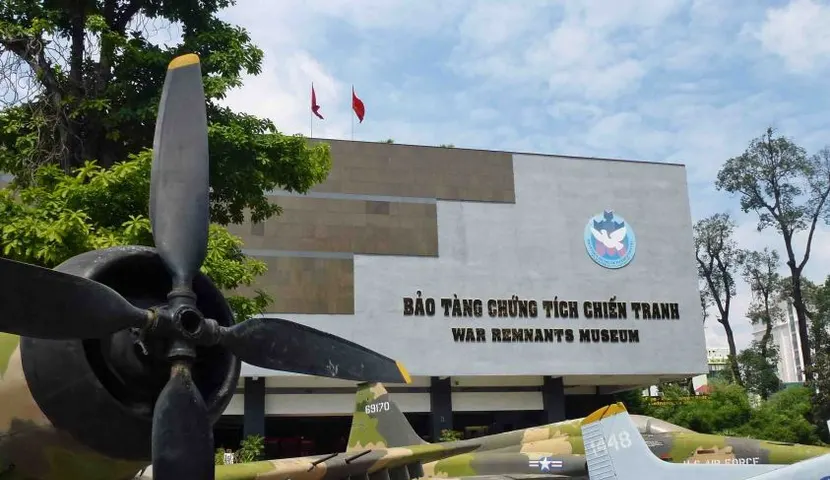
The War Remnants Museum is one of the most important historical museums in Ho Chi Minh City.
Its exhibitions document the Vietnam War and its consequences through photographs, documents, military equipment and personal stories. Some exhibits, particularly those relating to chemical warfare and its long-term effects, are graphic and emotionally difficult. The museum presents the conflict primarily from a Vietnamese perspective. Visitors should therefore approach it as a museum with a particular historical viewpoint rather than as a neutral account of every aspect of the war. For travellers interested in understanding Vietnam's modern history, however, it is an important stop.
Allow approximately 1.5 to 2 hours for a meaningful visit.
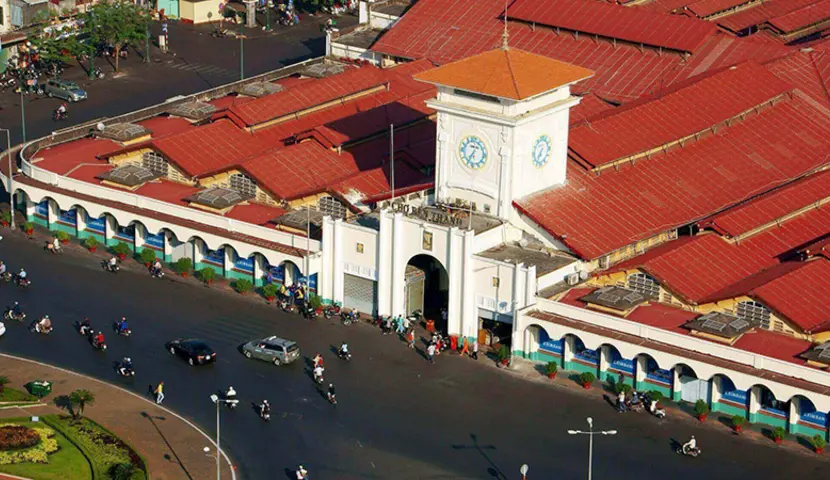
Ben Thanh Market is one of the most recognisable landmarks in Ho Chi Minh City and one of the city's best-known traditional markets.
The current market building was constructed in the early 20th century, with the opening ceremony taking place in March 1914. Its famous clock tower and four main entrances have become some of the most recognisable images of Saigon. Inside, visitors can browse stalls selling clothing, handicrafts, souvenirs, coffee, spices, dried foods, fresh produce and other everyday goods. Haggling is common in many tourist-oriented stalls, although prices and practices vary between vendors. If you are not interested in buying something, it is perfectly acceptable to walk away politely.
The surrounding area also becomes lively in the evening, with food stalls and restaurants offering Vietnamese dishes. Ben Thanh is touristy, but it remains a convenient introduction to the city's market culture.
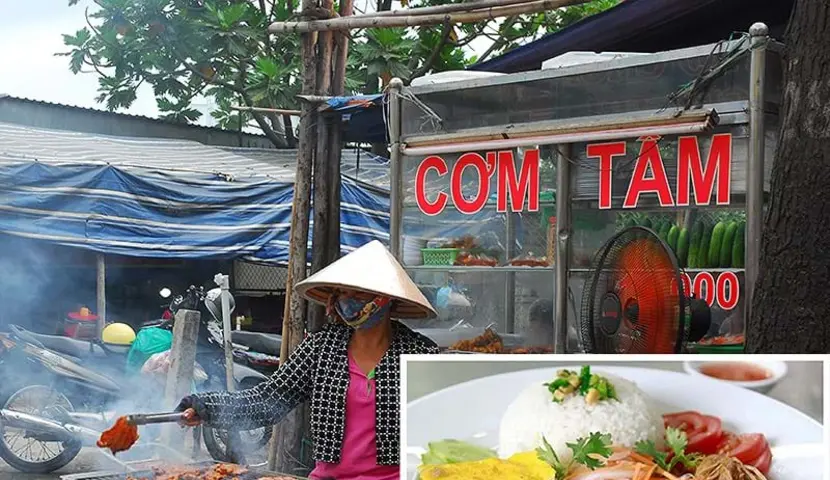
Food is one of the strongest reasons to spend time in Ho Chi Minh City. Southern Vietnamese cuisine has its own character, with dishes influenced by the Mekong Delta, neighbouring Cambodia and southern Chinese communities.
Start with cơm tấm, or broken rice, traditionally served with grilled pork, vegetables and fish sauce. It is one of the city's most recognisable everyday meals.
Another southern favourite is bánh xèo, a crispy Vietnamese savoury pancake filled with ingredients such as pork, shrimp and bean sprouts and eaten with herbs and dipping sauce.
Hủ tiếu, a noodle soup with strong southern Chinese and Cambodian influences, is another classic southern breakfast.
And, of course, do not leave without trying Vietnamese coffee. Cà phê sữa đá - strong Vietnamese coffee served over ice with sweetened condensed milk - is a staple throughout the city. You can also experience the informal cà phê bệt style of street coffee, where people sit casually on small stools or directly on the pavement. For something different, try cà phê muối, or salted coffee. Originally associated with Hue, it has become increasingly popular in Ho Chi Minh City.
Credit: Mia.vn
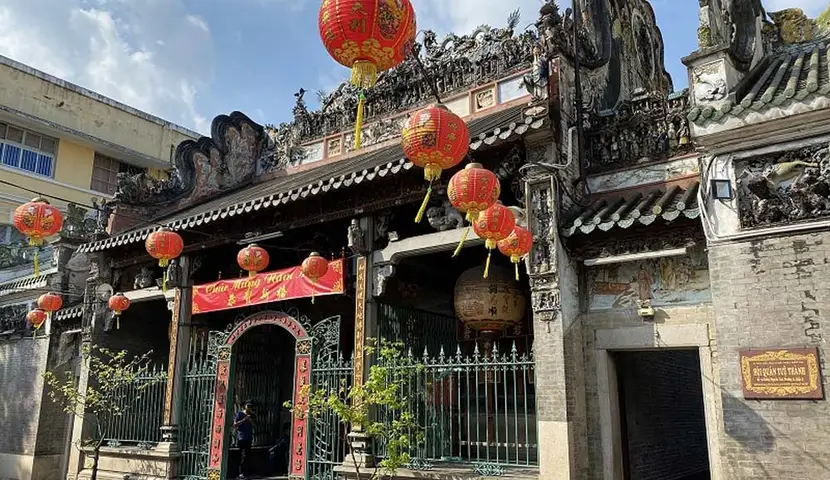
Cho Lon, located mainly in District 5 and neighbouring districts, is the historic Chinese quarter of Ho Chi Minh City and one of the most interesting areas to explore beyond District 1. The atmosphere is noticeably different from the modern commercial centre. Traditional shophouses, Chinese temples, markets and food businesses reflect the area's long history as an important commercial centre.
One of the highlights is Thien Hau Temple, dedicated to Mazu, the Chinese sea goddess. The temple is known for its elaborate roof decorations, carved details and large spiral incense coils hanging inside.
Another important landmark is Binh Tay Market, a major market in the heart of Cho Lon. Compared with Ben Thanh Market, it has a stronger local wholesale and trading character.
Cho Lon is also an excellent place to explore Vietnamese-Chinese cuisine, from roast meats and noodles to dim sum and other southern Chinese-influenced dishes. Give yourself several hours if you want to explore the markets, temples and food streets rather than simply visiting one attraction.
Credit: Mia.vn
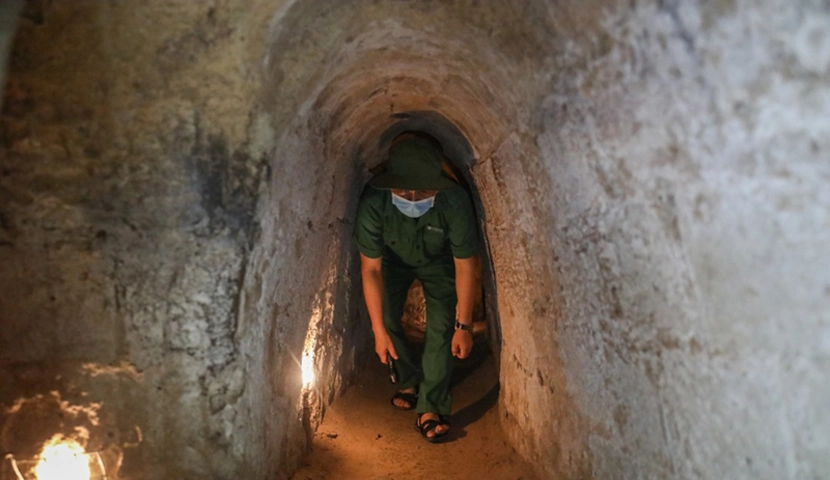
Located roughly 70 kilometres northwest of central Ho Chi Minh City, the Cu Chi Tunnels are one of southern Vietnam's most important historical sites.
The tunnel network developed during the wars of the 20th century and eventually extended for hundreds of kilometres. Vietnamese tourism sources commonly describe the network as approximately 250 kilometres long. It contained underground areas used for shelter, communications, storage, medical treatment and other activities.
Today, visitors can explore preserved sections of the tunnels, see demonstrations of historical structures and learn about life underground during the conflict. Some sections have been enlarged for visitors, but they remain narrow and can be uncomfortable for anyone with claustrophobia. The site also includes displays and activities related to the wartime period, including a shooting range. Visitors should treat these activities separately from the historical interpretation of the site.
A half-day trip is normally enough to visit the tunnels, although travel time depends heavily on traffic and which tunnel site you visit.
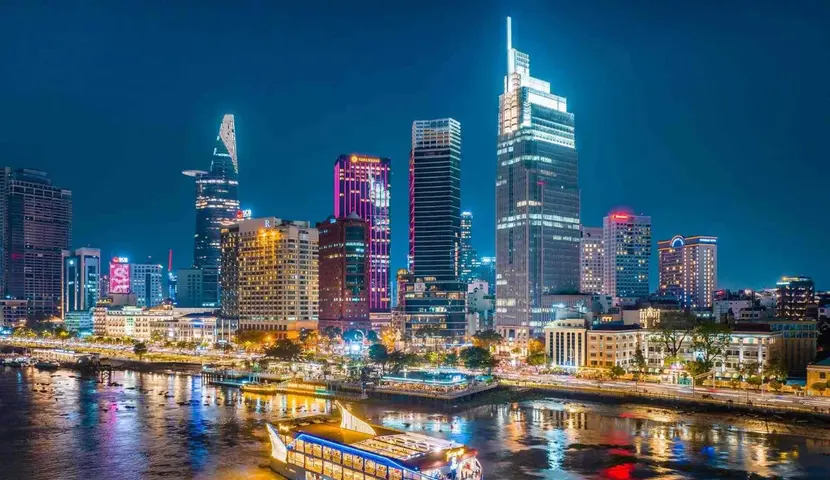
The Saigon River provides a completely different perspective of Ho Chi Minh City.
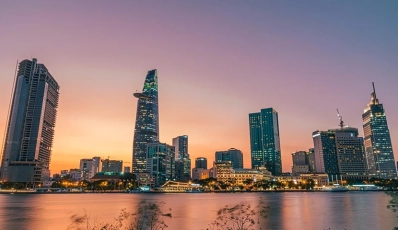
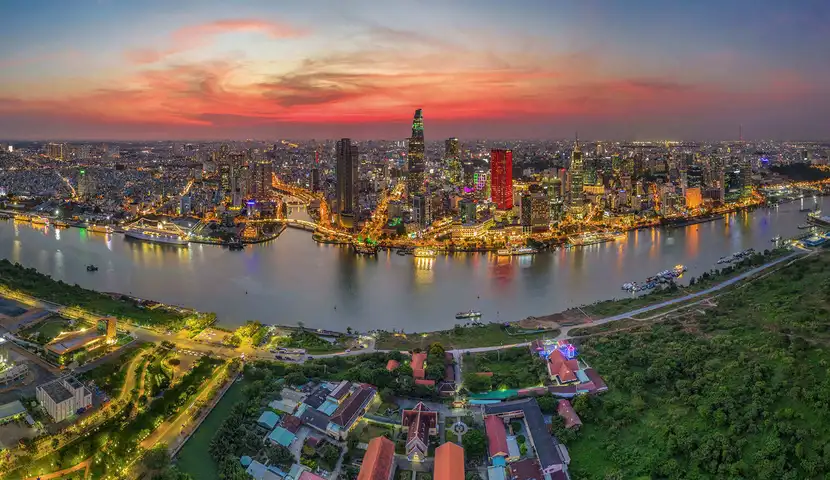
A short river cruise, waterbus journey or evening cruise allows you to see the city's skyline from the water. The contrast between historic buildings in central District 1 and the modern skyline farther east is particularly interesting around sunset.
For a longer excursion, head into the Mekong Delta. Popular day trips usually focus on destinations such as My Tho and Ben Tre, where visitors can travel by boat through smaller waterways, visit fruit orchards and family-run workshops, and learn more about life in one of Vietnam's most agriculturally important regions.
A day trip can provide a useful introduction to the delta, while travellers with more time can spend one or two nights in the region. Do not expect every Mekong Delta day trip to include a floating market. The experience depends heavily on the destination and itinerary.
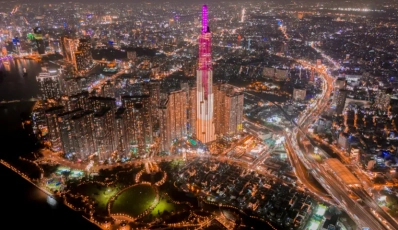
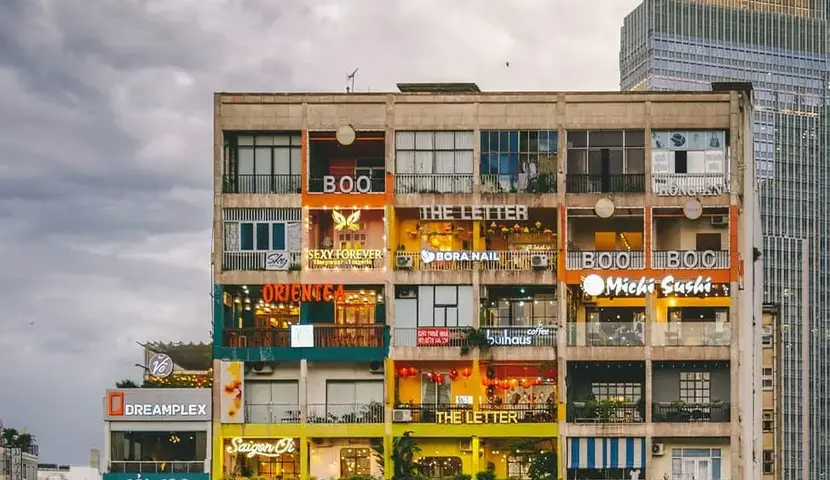
Ho Chi Minh City's skyline has changed dramatically over the past two decades, and rooftop bars have become an important part of the city's nightlife.
District 1 has some of the city's best-known rooftop venues, offering views over the central skyline and the Saigon River. Sunset is one of the most popular times to visit.
For a very different atmosphere, walk through Bui Vien Street in District 1. This lively nightlife area is filled with bars, restaurants, street food and budget accommodation and remains particularly popular with younger travellers and backpackers.
If Bui Vien feels too loud, explore the city's growing cocktail and craft-beer scene elsewhere. Thao Dien in Thu Duc City, for example, has numerous restaurants, bars and cafés with a more relaxed atmosphere.
Credit: FreePik
Nguyen Hue Walking Street is one of the best places to experience modern Ho Chi Minh City. The pedestrian boulevard is approximately 670 metres long and more than 60 metres wide, stretching through the heart of District 1 toward the Saigon River. On evenings and weekends, the area becomes a gathering place for local families, young people, street performers and visitors. The boulevard is surrounded by restaurants, cafés, shopping centres, hotels and some of the city's most recognisable buildings.
The nearby Bitexco Financial Tower is another landmark worth seeing. Its Saigon Skydeck offers panoramic views over the central city.
Nguyen Hue is particularly enjoyable after dark, when the surrounding buildings are illuminated and the pedestrian area becomes one of the city's busiest public spaces.
Best Time to Visit
Ho Chi Minh City has a tropical climate with two main seasons.
The dry season generally runs from December to April, while the rainy season is usually from May to November. Rain during the wet season often comes in short, heavy showers rather than lasting throughout the entire day.
For comfortable sightseeing, December to March is particularly popular because temperatures and humidity are generally more manageable.
Even during the rainy season, however, Ho Chi Minh City can be visited comfortably if you plan around the weather.
Getting from the Airport
Most international visitors arrive at Tan Son Nhat International Airport (SGN).
The airport is only about 6 kilometres from the city centre, but actual travel time can vary considerably because of traffic.
Allow extra time during morning and evening rush hours.
For visitors unfamiliar with the city, ride-hailing services such as Grab are convenient. Traditional taxis from reputable companies are also widely available.
Money
The currency is the Vietnamese dong (VND).
Cash remains useful for street food, local markets, small cafés and some small businesses. Credit and debit cards are increasingly accepted at hotels, restaurants, shopping centres and other businesses in central areas.
Ho Chi Minh City does not have Hanoi's thousand-year historical depth, but that is part of its appeal. This is a city shaped by movement, commerce, migration and rapid change. French colonial buildings stand beside modern skyscrapers, traditional markets operate alongside shopping malls, and street-food stalls continue to thrive beneath the city's increasingly vertical skyline.
Spend a morning exploring its history, an afternoon eating your way through its neighbourhoods, and an evening watching the city from the river or a rooftop bar. Then leave the centre for the Cu Chi Tunnels or the Mekong Delta and you will see another side of southern Vietnam altogether.
For many travellers, that combination - history, food, local life and constant energy - is what makes Ho Chi Minh City one of the most rewarding stops on a Vietnam itinerary.
Related articles: