
Ciao splendida Sole !
Abbiamo visionato il sito e l abbiamo trovato fatto molto bene e interessante, riteniamo che sia di facile comprensione e con tutte le...
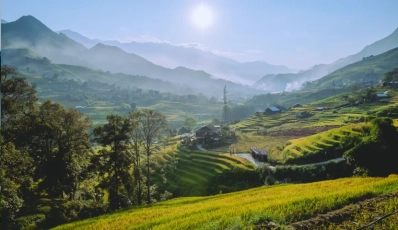
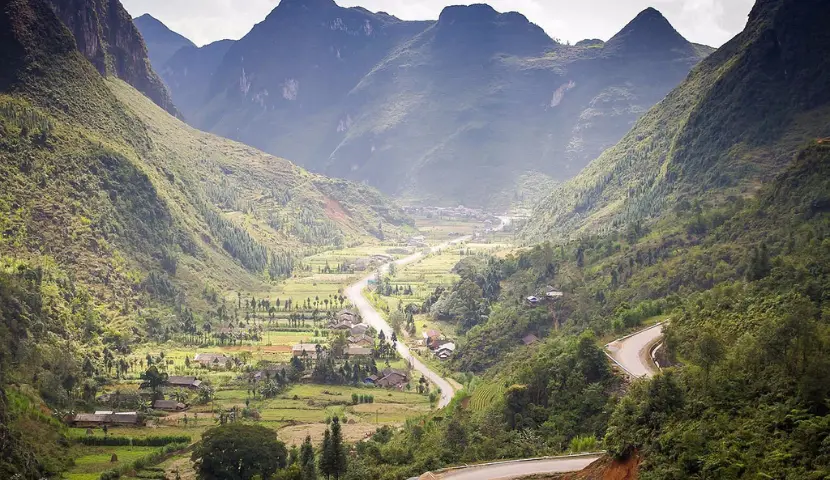
Ha Giang is a mountainous province in Northwest Vietnam, located at the northernmost point of the country, bordering China. Therefore, nature has bestowed upon Ha Giang many breathtakingly beautiful landscapes. Ha Giang boasts not only winding mountain passes but also the UNESCO - recognized Stone Plateau and the poetic, emerald-green Nho Que River. If you plan to travel to Ha Giang, choosing the right time will greatly influence your unforgettable experience. So let's explore the best time to visit Ha Giang.
Best time to visit and travel Ha Giang
1. Where is Ha Giang ?
2. When is the best time to visit and travel Ha Giang ?
3. Ha Giang - A Journey of Unforgettable Experiences
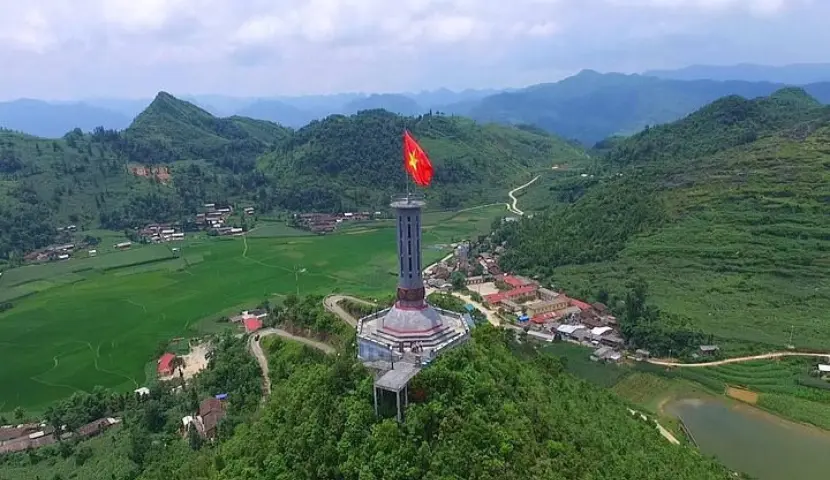
Looking at a map of Vietnam, Ha Giang is located at the very top, a proud and majestic northernmost point of the country. It proudly embraces the Lung Cu flagpole, the sacred northernmost point, a place every Vietnamese person dreams of touching, with the national flag fluttering in the wind amidst the mountains of Northwest Vietnam. Ha Giang is not just an administrative place, but a symbol of the majestic, wild, and heroic beauty of the Northeast mountains. It's a place where clouds intertwine with gray rocks, and hearts are warmed by the pure smiles of the highlanders.
Due to its unique geographical location, Ha Giang has many distinctive characteristics, such as rapidly changing temperatures and a large difference between day and night. Therefore, choosing a destination is crucial.
2.1 From January to February
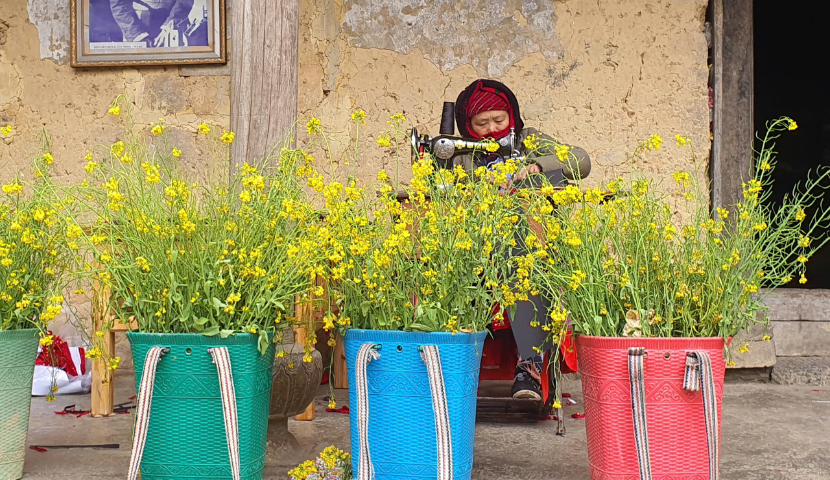
From January to February, Ha Giang takes on the gentle and peaceful beauty of early spring, when the weather is still quite cold, especially in the evenings and early mornings. This weather also brings a poetic feeling to tourists, offering the experience of admiring the mystical nature shrouded in mist on the rocky mountain slopes or the endless winding emerald rivers along the roads, creating a picturesque landscape. This is also the season when flowers bloom profusely, with the pink of peach blossoms and the pristine white of plum blossoms gradually appearing along the roads, tea hills, and high-altitude villages, making the entire area fresh and full of life.
Traveling to Ha Giang during this season is not just about sightseeing, but also about exploring the local culture, as this time often coincides with the Lunar New Year, when people are busy preparing for the upcoming year. Visitors will encounter beautiful Hmong, Dao, and Chinese girls in traditional clothing, bustling markets... this is a rare opportunity to immerse yourself in a rich cultural space, to dress up as a local boy or girl.
Because the weather is still quite cold, tourism during this season is relatively quiet, so you can freely explore famous tourist attractions without worrying about crowds. These spaces are peaceful enough for you to slow down and fully enjoy every moment, listening to the gentle breeze. January and February are arguably the ideal time for those seeking peace and tranquility, admiring the pristine nature of the rocky plateau.
2.2 From March to April
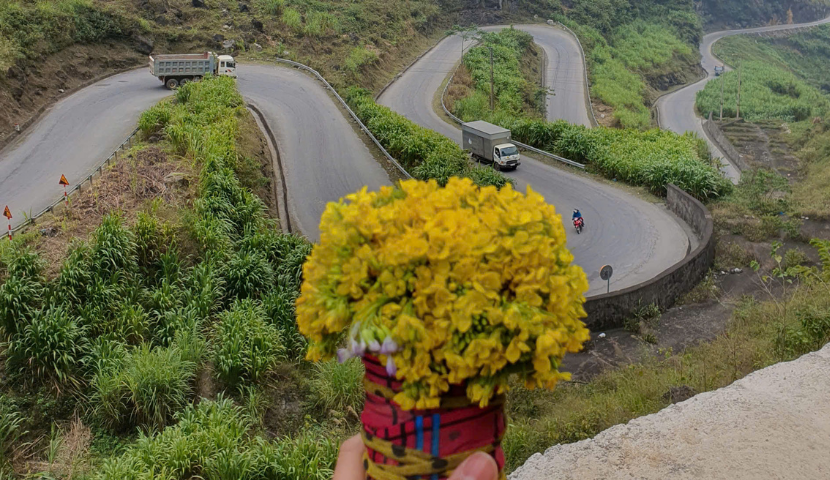
This is the time when Ha Giang enters a vibrant transformation, temporarily leaving behind the biting cold and quiet, as the spring blossoms gradually fade, giving way to the arrival of summer. The biggest advantage of this season is the relatively pleasant weather; gone are the freezing colds of the early year, with temperatures ranging from 18-25°C during the day, featuring gentle sunshine and clear skies, while evenings retain the characteristic coolness of the high mountains. This is also the time when nature here becomes fresh and full of energy, ideal for exploratory and experiential travel, exploring famous mountain passes, and conquering scenic routes. Because of the favorable weather, you can discover famous landmarks such as Ma Pi Leng Pass, Nho Que River, Dong Van Old Town, or Lung Cu Flagpole...
Furthermore, Ha Giang in this season offers visitors unique cultural experiences. Although it's not the festival season or peak tourist season, experiencing the daily life of the mountain people is more authentic and intimate than ever before. Visitors will have the chance to witness the hustle and bustle of the people working in the fields, preparing for a new harvest, or hear the joyful laughter of highland children, or witness the lively atmosphere of the highland markets, reflecting a simple yet profound way of life. It is these simple things that captivate and leave a lasting impression on visitors after each trip during this season.
Since it's not the peak tourist season, if you want to admire the pristine beauty of nature while enjoying a peaceful atmosphere away from the crowds, this is the perfect time for you.
2.3 From May to June
One of the most striking features of Ha Giang during this season is the rainy season, when the first rains of the season create giant mirrors on the rice paddies winding around the mountains. These mirrors reflect the sky, creating a scene that is both majestic and poetic. This scenery offers a beauty that is both grand and poetic, attracting many tourists and photographers to capture it. Although not as spectacular as the rice harvest season, it will still give you a peaceful experience and allow you to admire a vibrant and emotional natural landscape.
You can admire Hoang Su Phi with its rolling hills forming giant mirrors reflecting the sunlight, or you can take a boat ride and see the emerald green Nho Que River emerging between the cliffs, towering and clear without being obscured by fog. And what could be more wonderful than chasing the clouds, encountering thick, fluffy seas of clouds embracing the mountains at high peaks like Chieu Lau Thi, Tay Con Linh, or Ma Pi Leng Peak in the early morning?
The advantages of traveling during this season are that it's not too crowded, and the travel costs are extremely reasonable. The weather is very pleasant, with cool temperatures and plenty of sunshine, perfect for taking beautiful photos.
A small note: this is the beginning of the rainy season in the mountainous areas, so you'll encounter sudden showers, which can make travel difficult. Aside from the natural mountain scenery, this season isn't as vibrant with flowers or the golden hues of rice paddies, but overall, it's still a great time for those who want to escape the city heat, find peace after tiring workdays, or appreciate the rustic charm and unique moments of the rice paddies.
A small piece of advice for those traveling in May and June is to constantly monitor the weather forecast, always prepare a light jacket for the evenings, a raincoat for sudden showers, and prioritize choosing homestays with views of the rice terraces to fully enjoy the rice paddies.
2.4 From July to August
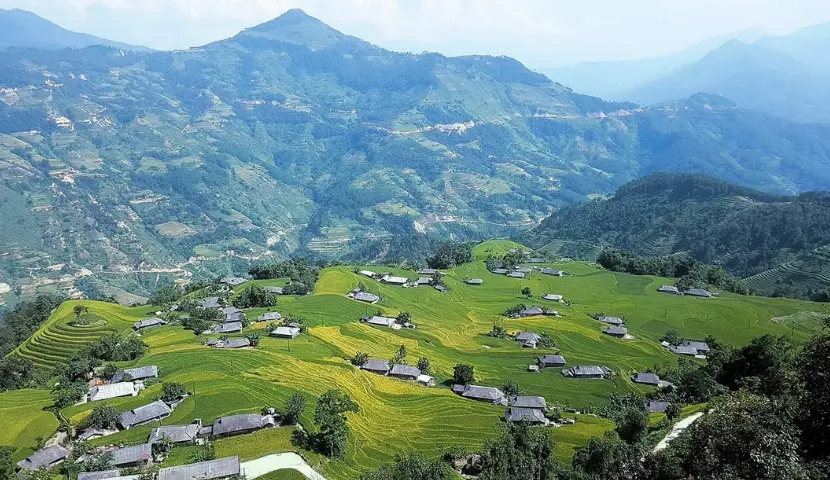
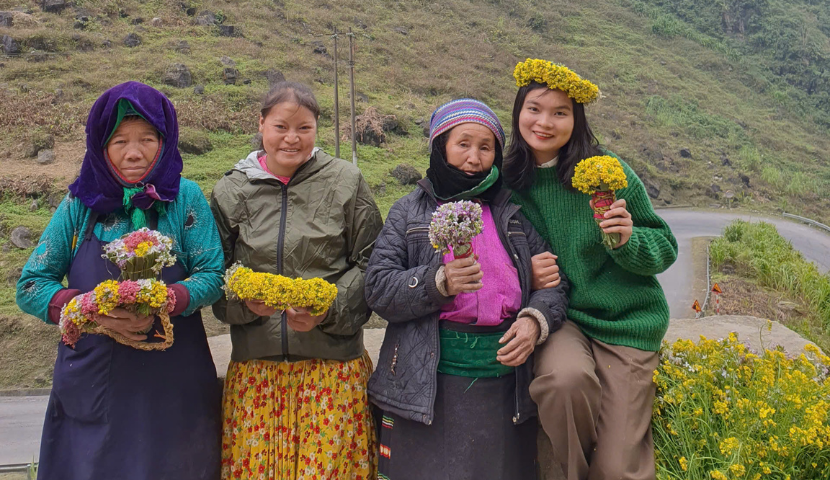
Traveling to Ha Giang during this time of year is ideal for those who love pristine beauty and want to escape the sweltering heat of summer. It's mid-summer, and the terraced rice fields of Ha Giang resemble a giant green meadow emerging from the mist, winding around the mountain slopes. The biggest advantage is the climate; while the lowlands are experiencing peak heat waves, Ha Giang remains pleasantly cool even during the day, and gets colder at night. Furthermore, it's not yet peak season, so costs are still very reasonable for budget travelers, and you can leisurely enjoy the peaceful atmosphere without crowds.
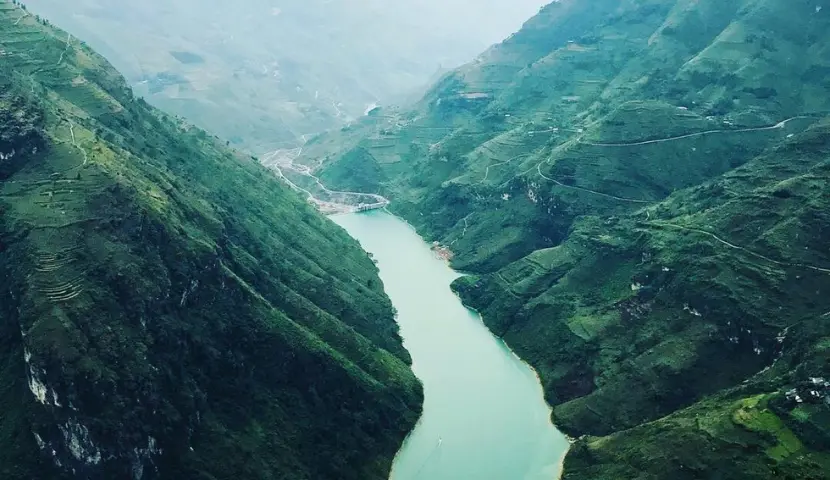
However, a trip during this season also comes with a small challenge: summer rain showers. These sudden and prolonged downpours can cause slippery conditions and landslides. Furthermore, due to the rainwater runoff, the Nho Que River will turn a silt-laden color instead of its familiar emerald hue, making this time less ideal for those who love taking Instagram-worthy photos. However, if you want to immerse yourself in nature and the lives of the local people, just carefully monitor the weather forecast and prepare a safe travel itinerary, and Ha Giang in the summer will surely give you incredibly special memories.
2.5 From September to October
This is the time when the northernmost region of Vietnam dons a new, magnificent and captivating cloak, combined with the gentle autumn weather and vibrant natural colors, making it an ideal destination for travel enthusiasts.
You will also be overwhelmed by the golden rice terraces winding around Hoang Su Phi. The most beautiful time for the rice harvest is September, so take advantage of a sunny day to capture stunning photos with the terraced rice fields, as the golden color gradually fades in October. Furthermore, at this time, wild daisies growing by the houses and roadsides also bloom profusely on this rocky plateau.
The weather at this time is perfect for travel and photography lovers, with clear blue skies and bright sunshine ideal for traveling and taking pictures. However, because it is the beginning of the peak season, crowded conditions at popular check-in spots and increased service costs are unavoidable. Rooms and bus tickets are often fully booked if you don't reserve in advance. Nevertheless, this season is still the ideal time for anyone who wants to admire Ha Giang in its most complete and romantic form.
2.6 From November to December
Traveling to Ha Giang in November and December is also a very special experience. At this time, the vibrant yellow hues of the terraced rice fields no longer envelop the hillsides, giving way to a softer pink of buckwheat flowers, a flower considered unique to Ha Giang.
While other places in the Northwest region typically experience low season tourism in November and December due to the cold weather, Ha Giang is different; this is its peak tourist season. Indeed, November and December are when the buckwheat flowers bloom most brilliantly, stretching along the roads from Ha Giang to Lung Cu and Dong Van. The pink blossoms, interspersed with harvested rice paddies and against the backdrop of blue skies and gray mountains, create a poetic, peaceful, and gentle landscape. Buckwheat flowers have a magical life cycle: when they first bloom, they are pure white, gradually changing to pale pink, deep purple, and finally dark red before fading. Furthermore, this season, fields of yellow mustard flowers also bloom across the villages. The gentle yellow mixed with pale pink warms the cold landscape.
Ha Giang is very cold this season, especially in late December when temperatures can drop to 0 degrees Celsius, a dry, biting cold that chills the skin. During peak cold spells, visitors also have the opportunity to witness frost covering the branches and grass on high mountain peaks such as Chieu Lau Thi or Ma Pi Leng. In that misty atmosphere, sitting around a warm fire at a local homestay, enjoying a hot bowl of au tau porridge with its characteristic bitter-sweet taste, sipping a glass of strong corn wine, or savoring a fragrant baked buckwheat cake is the most complete and memorable experience of a winter trip. The weather is quite dry with little rain, making travel very safe and the perfect time to explore the spectacular mountain passes of Ha Giang by motorbike. Furthermore, this is also the time for the vibrant annual buckwheat flower festival with many unique cultural and artistic activities. Because it's peak season, transportation and accommodation may be overloaded, so it's best to plan and book your rooms early to have the best experience.
This time is ideal for young people and adventure enthusiasts who are in good health and can tolerate cold and easily adapt to high temperatures, as you'll witness many interesting things on your journey. Remember to pack carefully and bring plenty of warm clothing to keep yourself warm, as you'll need it if you're traveling by motorbike.
3.1 Must-See Attractions
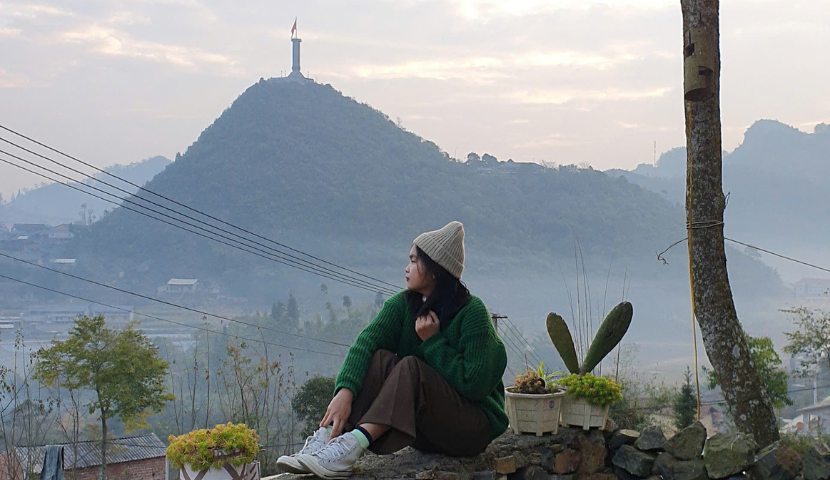
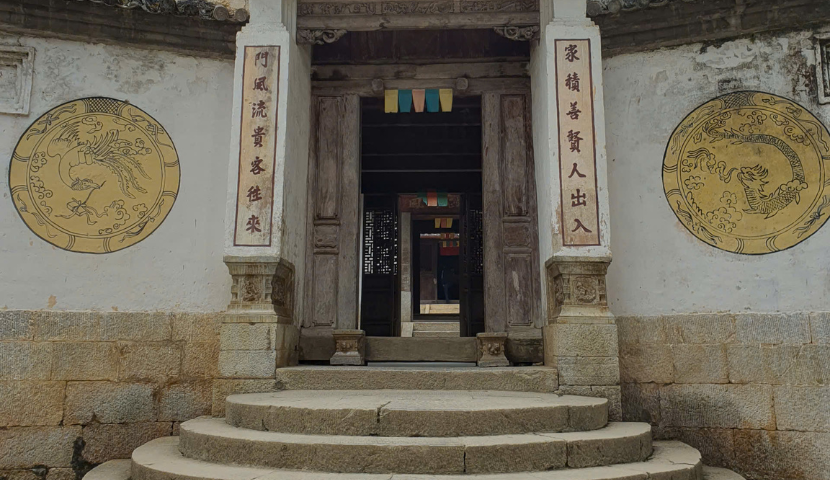
To fully explore Ha Giang, follow me to check in at famous landmarks along the road from Ha Giang city to Dong Van.
3.2 Ha Giang 3D2N Travel Itinerary
Day 1: Ha Giang - Quan Ba - Yen Minh - Dong Van
Day 2: Dong Van - Lung Cu - Ma Pi Leng - Meo Vac
Day 3: Meo Vac - Du Gia - Ha Giang city
3.3 Ha Giang 4D3N Travel Itinerary
Day 1: Ha Giang - Quan Ba - Yen Minh
Day 2: Yen Minh - Sung La - Lung - Dong Van
Day 3: Dong Van - Ma Pi Leng - Nho Que river - Meo Vac
Day 4: Meo Vac - Du Gia - Ha Giang
Ha Giang has no bad season; each season brings a different beauty waiting for you to discover. If you dislike crowds, you should visit during the off-season. If you want to experience the best times, visit during the off-season. For the most stunning photos and to fully appreciate Ha Giang, visit in September during the rice harvest season or November during the buckwheat flower season. If you want to experience the biting cold of the highlands and admire the romantic bauhinia and plum blossoms, then visit in January. Wishing you a safe trip and many wonderful experiences.
Related articles: