
Ciao splendida Sole !
Abbiamo visionato il sito e l abbiamo trovato fatto molto bene e interessante, riteniamo che sia di facile comprensione e con tutte le...
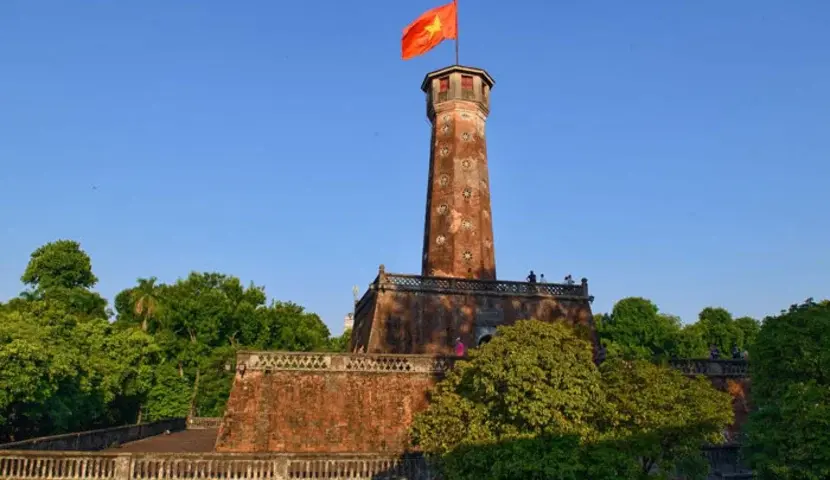
The capital city of Vietnam, Hanoi bears a variety of experiences for first-timers and natives alike. It is ancient and chaotic, graceful and gritty, with a pace of life that feels entirely its own. Spread around a series of lake-dotted districts where centuries-old temples sit alongside crumbling French mansions and Soviet-era monuments, Vietnam's capital has been accumulating history for over a thousand years - and it shows. A few days here is not so much sightseeing as it is absorption. The city demands that you slow down, get a little lost, and pay attention. Here are the top things to do in Hanoi.
Top things to do in Hanoi City
1. Get Lost in the Old Quarter
2. Walk Around Hoan Kiem Lake and Visit Ngoc Son Temple
3. Watch a Water Puppet Show
4. Visit the Ho Chi Minh Complex
5. Eat Your Way Through the City
6. Unwind at West Lake and Tran Quoc Pagoda
7. Visit Hoa Lo Prison Museum
8. Experience Hanoi's Nightlife
9. Quick Tips
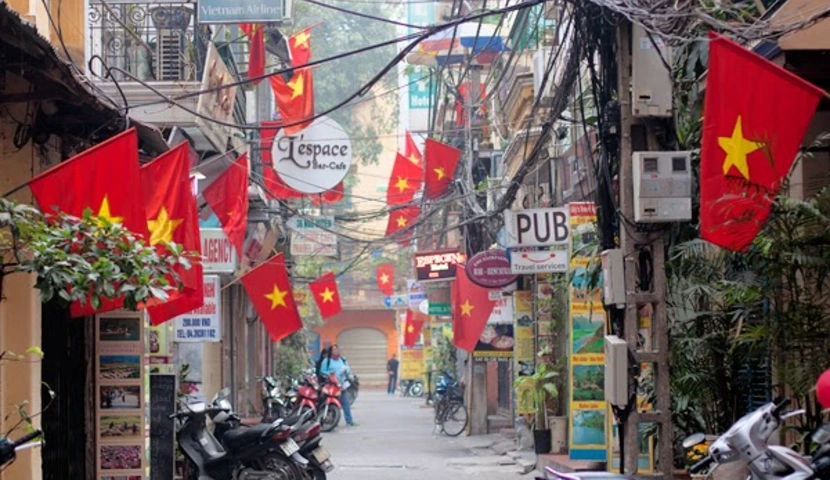
The Old Quarter is often the top destination for foreign travelers and locals alike when they are looking to experience the quintessence of Hanoi. A dense grid of narrow streets that has served as the city's commercial heart for centuries, it is still organised - albeit loosely - along the same lines as it always was, with streets named after the goods once traded there. Hang Bac for silver, Hang Bong for beddings and cotton products, Hang Ma for paper and spiritual offerings. Walking through it now, you will find those trades mixed in with coffee shops, street food stalls, tailors, and guesthouses, but the essential character of the place has not changed much.
The best way to approach the Quarter it is without a plan. The Old Quarter rewards aimlessness. Mornings are quieter and better for photography; evenings bring the street food vendors out in force and the whole area hums with activity. If you want some structure, the weekend night market along Hang Dao and Dong Xuan market runs Friday to Sunday and is a reasonable starting point.
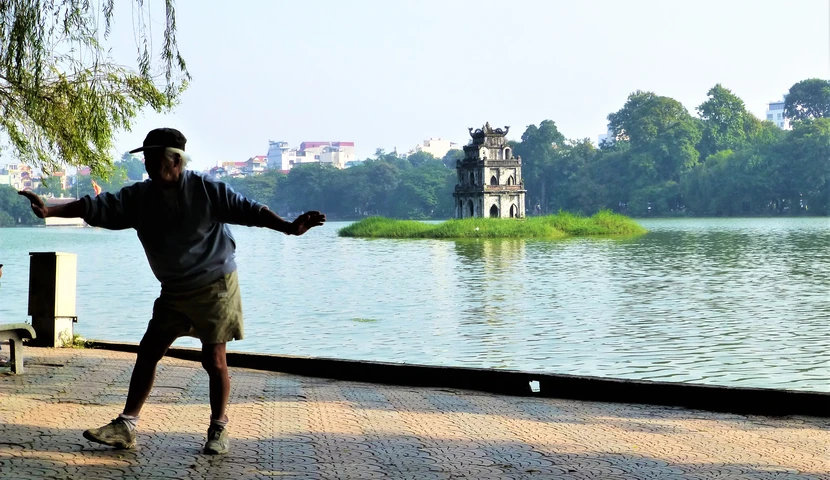
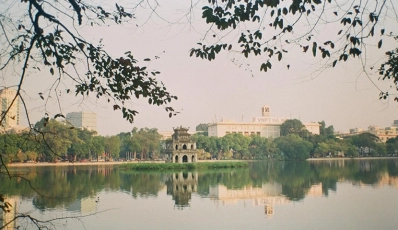
Hoan Kiem Lake, or Sword Lake, sits at the southern edge of the Old Quarter and functions as the social and spiritual centre of the city. Locals come here at all hours - early morning for exercise, midday for shade, evenings to sit and watch the water. The lake is small enough to walk around in under half an hour, but there is enough to take in that most people end up spending longer.
At its northern end, a red bridge leads to Ngoc Son Temple, a modest but atmospheric Taoist and Confucian shrine sitting on a small island. The temple is worth a visit as much for its setting as its contents, though the preserved specimen of a giant softshell turtle - the species once said to inhabit the lake and central to its founding legend - is an attraction to history and zoology buffs. On weekends, the streets surrounding the lake are closed to traffic and taken over by pedestrians, food vendors, and informal street performers, which makes it one of the more lively and enjoyable places to spend an evening in the city.
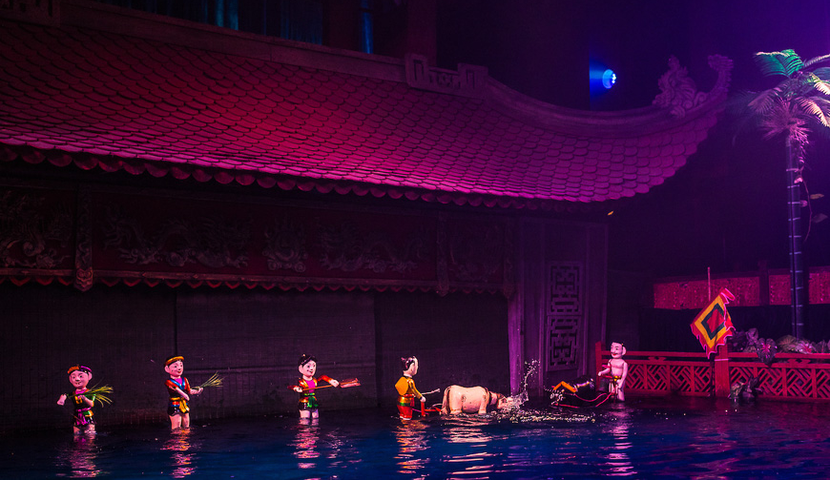
Water puppetry is a Vietnamese art form that originated in the Red River Delta over a thousand years ago, and Hanoi is the best place in the country to see it performed. The Thang Long Water Puppet Theater, a short walk from Hoan Kiem Lake, puts on multiple shows daily and is the most accessible option for visitors.
The performance takes place on a waist-deep pool, with puppets operated by hidden puppeteers standing behind a bamboo curtain. The figures move across the water surface with surprising fluidity, acting out folk tales, harvest scenes, and stories from Vietnamese mythology, accompanied throughout by a live traditional music ensemble. A show runs around 50 minutes. It sounds like a tourist box-ticking exercise, and it is listed in every Hanoi guide - but the craftsmanship is genuinely impressive and it gives you a clear window into a part of Vietnamese culture that is easy to miss otherwise. Most kids in the country have been brought to see one of these shows in their childhood. Remember to book in advance, particularly in peak travel season.
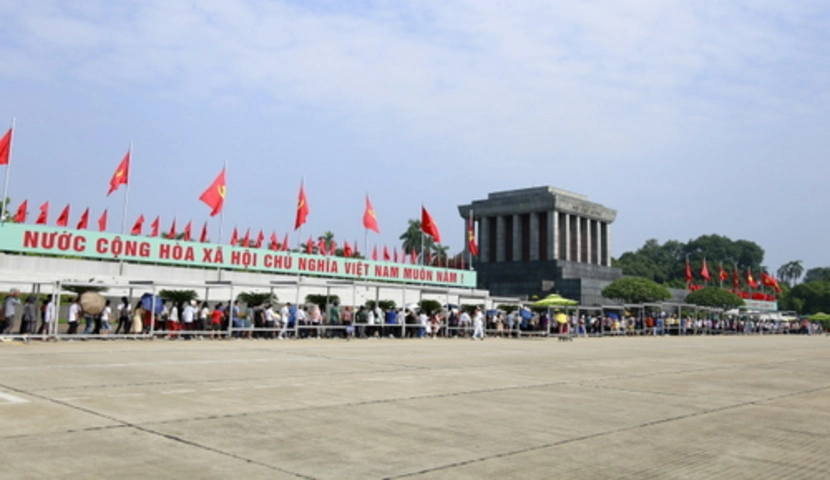
The Ba Dinh district, west of the Old Quarter, is where Hanoi's political and historical weight is most concentrated. The Ho Chi Minh Mausoleum is a domineering sight in Ba Dinh Square - a vast granite structure modelled loosely on Lenin's tomb in Moscow, where President Ho Chi Minh's embalmed body lies in state. The mausoleum is closed for several months each year while the body is sent to Russia for preservation maintenance, so check ahead if this is important to your visit. Is it also worth checking national holidays in Vietnam, as these dates will often be crowded with locals.
The wider complex includes the Presidential Palace, the modest stilt house where Ho Chi Minh chose to live rather than occupy the colonial governor's mansion, and a well-tended lotus pond. Nearby, the Vietnam Military History Museum provides essential context for understanding the wars that defined the 20th century here. Dress conservatively for the mausoleum visit - shoulders and knees covered - and note that photography inside is not permitted.
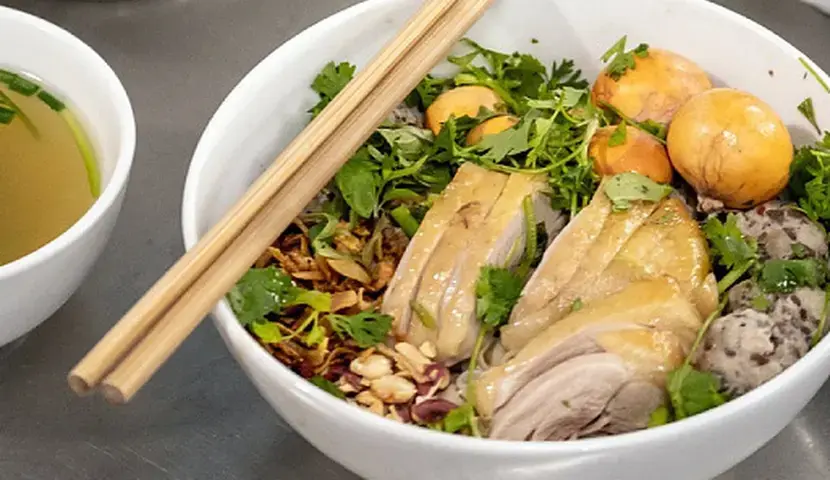
Hanoi's food is worth travelling for on its own. The city has a distinct culinary identity - northern Vietnamese cooking is generally subtler and less sweet than its southern counterpart, with broths that are cleaner and seasoning that is more restrained - and eating well here requires almost no effort at all.
Pho, the city's most famous export, is best eaten early - many of the best stalls run out by mid-morning. Bun cha, grilled pork patties served with cold vermicelli noodles and a fragrant dipping broth, is the definitive lunch. Banh mi carts appear throughout the day. In the afternoons, egg coffee - a dense, custard-like mixture of egg yolk and condensed milk whisked over robusta coffee - is worth tracking down at one of the old-school cafés in the Old Quarter that invented it.
Besides these famed dishes, be open to the amazing variety of food on offer in the city. The cheapest and most authentic way to eat is to sit down wherever locals are sitting down.
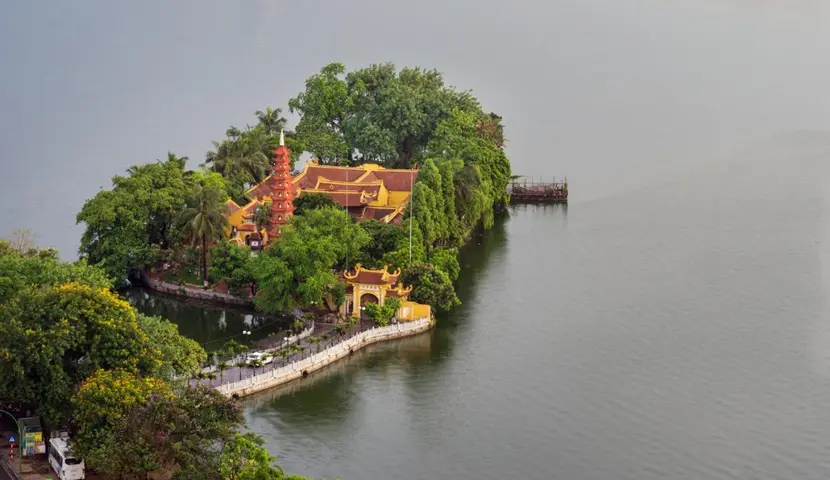
West Lake - Ho Tay in Vietnamese - is Hanoi's largest lake, sitting about two kilometres north of the Old Quarter in the Tay Ho district. The contrast with the city centre is immediate. The area is quieter and more spread out, popular with joggers and cyclists in the early morning, and the scale of the lake gives the whole neighbourhood a more open, unhurried feel.
Tran Quoc Pagoda, one of the oldest Buddhist temples in Vietnam, sits on a small peninsula jutting into the lake's southern edge. Dating to the 6th century, it is a graceful, tiered structure - particularly photogenic at golden hour when the light catches the water behind it. Worth a visit in the morning before the tour groups arrive.
The Tay Ho district that surrounds the lake has become Hanoi's most cosmopolitan neighbourhood over the past decade. Xuan Dieu Street and the surrounding streets are lined with Japanese restaurants, Korean barbecue, wine bars, rooftop cafés, and creative Vietnamese-Western fusion spots, most of them catering to the area's large expat community. It is a different Hanoi from the Old Quarter - less chaotic, more comfortable - and the food quality across the neighbourhood is consistently high. If you are spending more than two nights in the city, this is where to base yourself for a quieter experience.
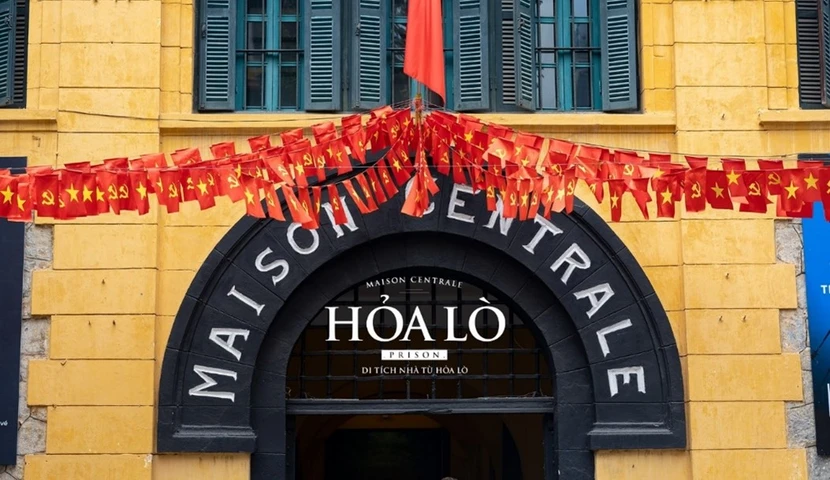
Most of the original Hoa Lo Prison has been demolished - a commercial tower stands on the site now - but the preserved section at its southern end has been converted into one of the more thought-provoking museums in the city. Known to American prisoners of war as the Hanoi Hilton, the name was sardonic: conditions here were brutal.
The museum covers two distinct periods. The first half documents the prison's use by French colonial authorities to detain Vietnamese political prisoners in the late 19th and early 20th centuries - a chapter of the story that Western visitors often know little about. The second covers the Vietnam War period and the American POW experience. The two halves offer notably different perspectives on the same walls, and that tension is part of what makes Hoa Lo worth the visit.
Allow 60 to 90 minutes for the visit. The museum is compact, rarely crowded, and easy to combine with Hoan Kiem Lake, which is a short walk east. For those who want a more atmospheric experience, night tours run on Friday and Saturday evenings and last around 45 minutes - the low light and the quieter building make for a noticeably different visit than the daytime version. The night tour is wildly popular, so if this is a priority of yours, remember to book 1 to 2 months before your trip
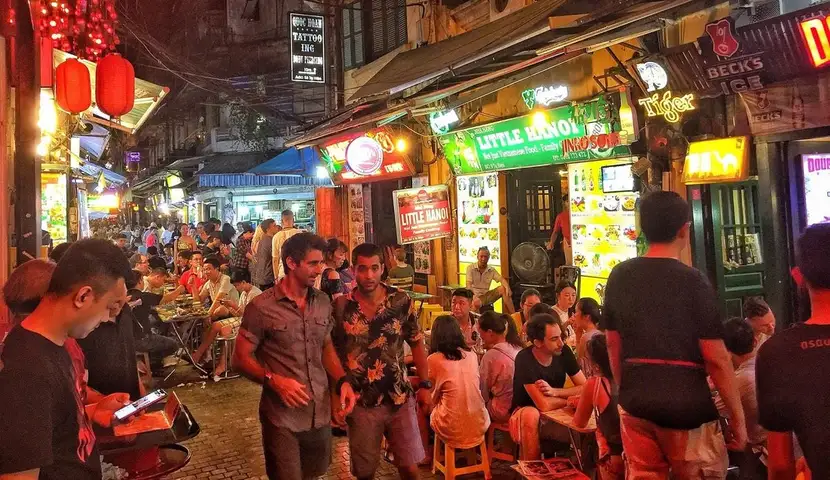
Hanoi's evenings are less about clubs and more about streets. The logical starting point is bia hoi - fresh-brewed draft beer sold cheaply at pavement stalls across the Old Quarter. The junction of Luong Ngoc Quyen and Ta Hien, known as Bia Hoi Corner, is the most concentrated version: a busy crossroads of plastic stools and cold beer, popular with locals and travellers alike.
For something quieter, the rooftop bars and wine venues along Xuan Dieu Street in the Tay Ho district cater to a more settled expat crowd, and the standard of cocktails and wine has improved considerably in recent years. The Old Quarter also has a handful of live music venues and jazz spots worth seeking out. Hanoi has a genuine jazz tradition rooted in Soviet-era cultural exchanges of the 1960s and 70s, and a small number of clubs in the centre keep it going most nights of the week.
Hanoi is best visited between October and April, when the weather is dry and temperatures are comfortable. May through September is filled with heat and humidity, with a risk of typhoons in July and August. The city's airport - Noi Bai International, around 45 minutes from the centre - is well connected to most major Asian hubs and an increasing number of European routes.
Getting around the centre is easiest on foot or by Grab - the Southeast Asian ride-hailing app that works reliably and removes the need to negotiate prices. Cash in Vietnamese Dong is still king at markets and street stalls; ATMs are plentiful throughout the Old Quarter. Budget for around three to four days to cover the city properly without rushing.
Hanoi is not the easiest city to visit - the traffic is relentless, the pavements are occupied, and the noise rarely drops below a constant hum - but it is one of the most rewarding. It has a density of history, food, and atmosphere that few cities in the region can match, and it has largely resisted the kind of sanitisation that has softened the edges of places like Bangkok or Singapore. What you get in Hanoi is the real thing. Give it enough time, and it tends to make a strong impression.
Related articles: