




Ciao splendida Sole !
Abbiamo visionato il sito e l abbiamo trovato fatto molto bene e interessante, riteniamo che sia di facile comprensione e con tutte le...
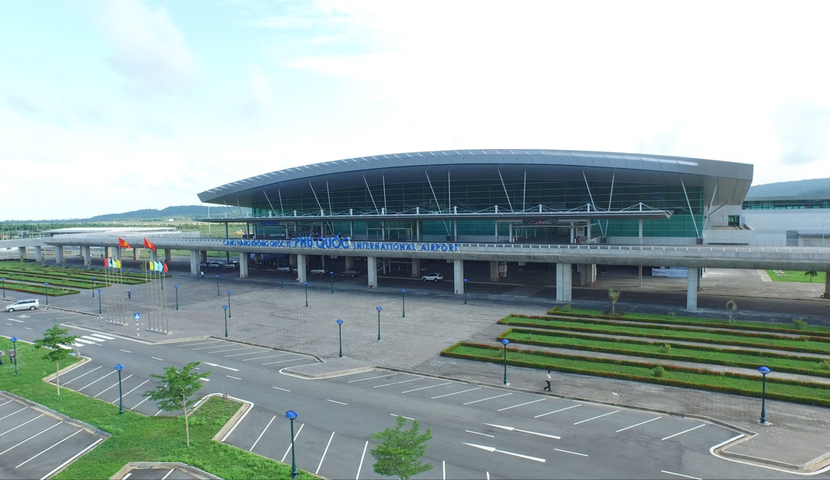
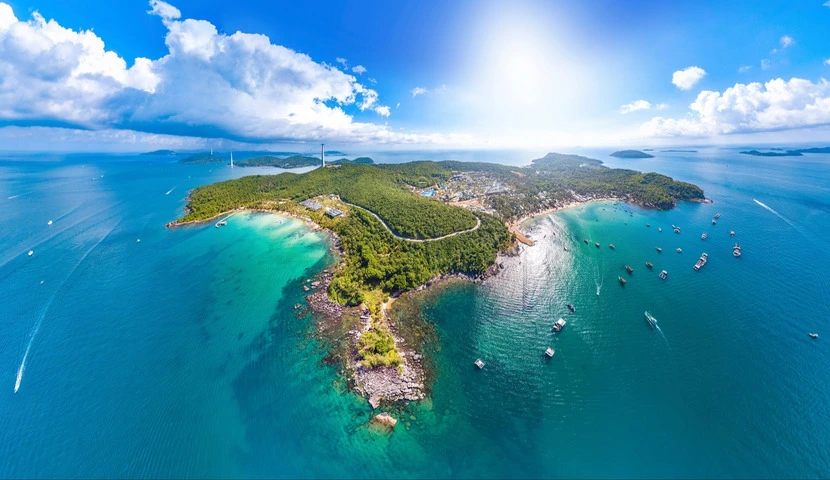
Phu Quoc is Vietnam's largest island, sitting at the country's southern tip, and for most of its history it was a remote island you had to make a deliberate effort to reach. That has since changed. What was once a quiet island of pepper farms and fishing villages is now one of the country's most visited beach destinations, with resorts stretching along its western coastline and a cable car crossing to a nearby island. The airport has grown with it at a rapid speed - passenger numbers jumped by 185% in January 2025 compared to the previous year. This guide will help you navigate the facilities of the newly popular Phu Quoc International Airport.
Phu Quoc International airport guide
1. Terminals and Facilities
2. Visa, Immigration and Baggage
3. Money and Connectivity
4. Getting to Your Resort from the Airport
5. Departing from Phu Quoc
Unlike the larger airports on the mainland, Phu Quoc has a single terminal handling both domestic and international flights, which keeps things simple. There is no second building to navigate, no confusion about which side of the airport you need. Arriving passengers are handled on the ground floor, which includes baggage claim, customs, currency exchange, ATMs. Departures are handled on the upper level.
The terminal is modern enough and easy to move through, but do not arrive expecting a large airport experience. The cafes, shops, and duty-free counters cover what you need without offering much variety beyond that. The more relevant thing to know is that when several international flights land close together - which happens often during the busy November to April season - immigration queues can stretch considerably. Free Wi-Fi is available throughout the terminal.
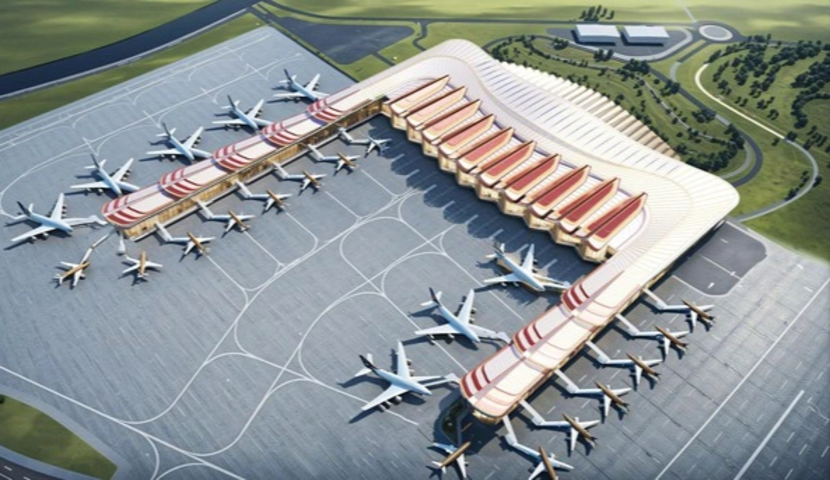
A second terminal to Phu Quoc Airport is in the plans to be built, with hopes to raise the airport’s capacity and service quality.
Phu Quoc receives direct international flights from a growing list of Asian cities, with routes from Seoul, Kuala Lumpur, Bangkok, Singapore, and several Chinese cities among the most established. If you are coming from Europe, the Americas, or Australia, you will almost certainly have to connect through Ho Chi Minh City first - Tan Son Nhat is the natural hub for this part of the country, and the onward flight to Phu Quoc takes under an hour. Domestic connections from Hanoi are also frequent, with Vietnam Airlines and VietJet running multiple departures a day. Flight schedules shift by season, with capacity expanding noticeably between November and April when the island is at its busiest, so it is worth checking current routes rather than assuming a connection you used previously is still running at the same frequency.
This is the part of a Phu Quoc trip that catches the most people off guard, therefore it is worth reading carefully.
Phu Quoc has its own visa arrangement that does not apply anywhere else in Vietnam. Travelers arriving from an international destination receive a free 30-day visa exemption stamp on arrival - no application, no fee, no paperwork prepared in advance. This is an initiative to push for tourism development on the island and applies to all nationalities.
The important caveat is that this exemption covers Phu Quoc only. If you plan to travel onward to mainland Vietnam - Hanoi, Ho Chi Minh City, anywhere on the mainland - you will need a separate e-visa. The exemption also does not apply if you fly to Phu Quoc from Ho Chi Minh City or Hanoi; it only covers travelers arriving directly from abroad. If Phu Quoc is one stop on a wider Vietnam itinerary, work out your visa situation before you fly rather than on the island to avoid any complications.
If you are arriving on the visa exemption scheme: have a return or onward international ticket booked and ready to show at immigration, and make sure your passport has at least six months of validity left.
The baggage claim is straightforward and moves at a reasonable pace.
Currency exchange counters and ATMs are on the ground floor of arrivals. Card payments are widely accepted at the bigger resorts and restaurants, but once you are in Duong Dong's local markets or eating at the smaller spots along the seafront, cash is still the norm. Withdrawing dong on arrival is a good habit here.
For connectivity, SIM cards are available inside the terminal, though the counters slow down when multiple flights land at once. For convenience and working data as soon as you get off the plane, you should get a Vietnam eSIM sorted before you travel. Data is great both for maps and for booking rides in Vietnam.
The Phu Quoc airport is about 10 kilometers from Duong Dong, the island's main town, with the drive taking around 15 to 20 minutes.
Taxis from reputable companies including Mai Linh will be waitting outside the arrivals exit; confirm the meter is running before you set off and avoid any driver who approaches you inside the terminal. Fares to Duong Dong typically run between 180,000 and 250,000 VND.
Grab is available and gives you a fixed price upfront, which is always a comfort in an unfamiliar place. Follow the app for the exact pickup location, as it may not be right at the main taxi stand.
That said, Phu Quoc's resorts are spread across a long stretch of coastline, and some of the larger properties are a considerable distance from both the airport and the town. Many of them offer airport transfers - sometimes included in the room rate, sometimes for a fixed fee - and it is worth asking when you book. A pre-arranged pickup is one less thing to sort out when you arrive tired at the end of a travel day, and on an island where distances add up, knowing the cost in advance is useful.
Another thing worth thinking about before you arrive is how you plan to get around once you are off airport grounds. Phu Quoc is a relatively large island - around 50 kilometers from north to south - and outside of Duong Dong town, public transport is essentially nonexistent. Taxis and Grab are the default for resort guests, but fares add up quickly if you are making multiple trips across the island each day. Many independent travelers opt to rent a motorbike, which gives you the freedom to reach the quieter beaches and villages on your own schedule and at a fraction of the cost. The roads are generally in good condition on the main routes, though some tracks leading to the more remote spots are unpaved and better suited to an adventurous approach. If you are not comfortable on a motorbike, a car with a driver hired for the day is a reasonable alternative that several local operators offer at fixed rates - worth asking your accommodation about when you check in.
When departing, aim to arrive at the airport at least 1.5 to 2 hours before a domestic flight and 2.5 to 3 hours before an international one. The terminal is compact, but queues at check-in and departure immigration can get crowded quickly during the high season, particularly for international flights leaving in the morning. If you are traveling without checkin baggage, online check-in for Vietnam Airlines or VietJet opens 24 hours before your flight and lets you skip the checkin queue.
One thing to sort out before you leave the island if you arrived on the 30-day visa exemption and are planning to fly onward within Vietnam: a domestic flight to Ho Chi Minh City or Hanoi requires a valid e-visa, and the application takes around five working days. The recommendation is to obtain the necessary visa before taking your flight to Vietnam if necessary.
Phu Quoc Airport is not the most polished entry point into Vietnam, and at peak season it can feel like it is working harder than it was designed to. But the island has a way of making you forget all of that fairly quickly. Get the visa situation straight before you arrive, have data on your phone, and ask your resort about transportation options. After that, the hardest decision tends to be which beach to head to first.
Related articles: