







Ciao splendida Sole !
Abbiamo visionato il sito e l abbiamo trovato fatto molto bene e interessante, riteniamo che sia di facile comprensione e con tutte le...
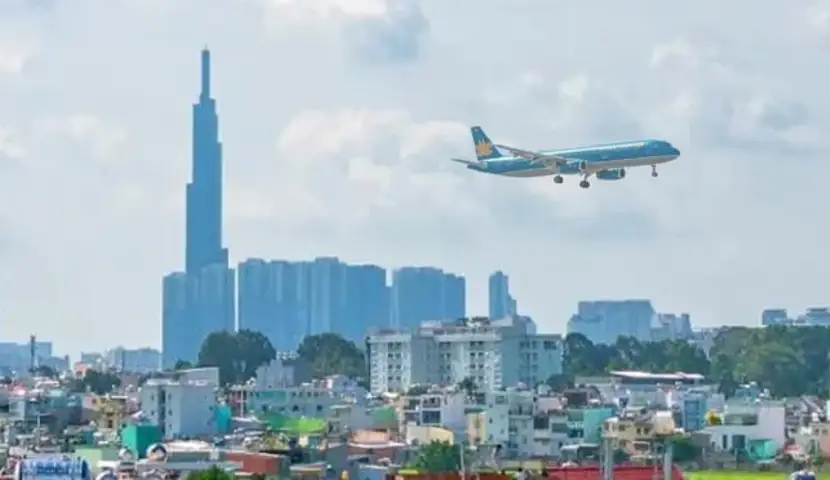
Vietnam's blend of rich culture, diverse landscapes, world-class cuisine, and warm hospitality makes it one of Asia's most rewarding destinations. The part that often causes confusion is navigating the country's visa rules and entry procedures. Vietnam's visa rules have changed several times in recent years, and a considerable number of travellers show up at immigration without the right documentation. This guide covers what you need to know about immigration for tourists: the types of visa available, who qualifies for which, what the process looks like, and what to avoid.
1. Do You Need a Visa to Visit Vietnam?
2. Types of Vietnam Tourist Visa
3. How to Apply for a Vietnam E-visa (Step by Step)
4. Things to Know Before Applying
Not everyone does. Vietnam has expanded its visa exemption programme significantly in recent years, and depending on your nationality, you may be able to enter without applying for anything at all.
Citizens of ASEAN member states - including Thailand, Malaysia, Singapore, and Indonesia - are generally exempt from visa requirements for stays of 14 to 30 days. Beyond the region, Vietnam has extended exemptions to most EU countries, as well as the UK, Australia, Japan and South Korea, with most allowances currently set at 45 days. If you hold a US or Canadian passport, however, you will need to apply for a visa as these nationalities are not currently covered by visa-free arrangements. If you are unsure whether you need a visa at all, check your nationality against the current exemption list before doing anything else.
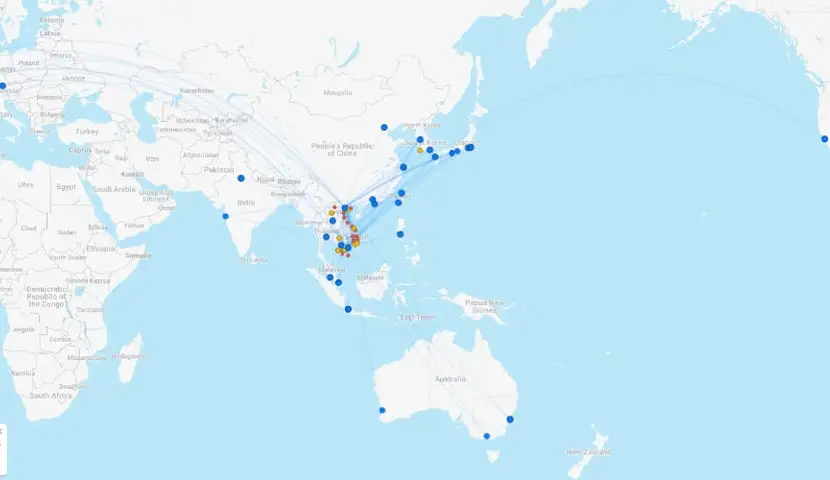
It is worth noting that visa exemptions still come with conditions. They typically apply only to tourist and transit purposes, not to work or study, and overstaying the exemption window carries the same penalties as overstaying a visa. Some exemptions also restrict re-entry - meaning if you leave Vietnam and return within a short window, you may not qualify for a second exemption stay automatically.
The exemption list changes periodically, so check your country's status directly before making any assumptions. The Vietnamese Immigration Department website is the authoritative source - do not rely on travel forums alone, as posts from even six months ago may reflect outdated policy.
There are three main routes into Vietnam for those who need a visa. They differ in process, cost, and where they can be used.
E-visa (Electronic Visa)
The e-visa is the most practical option for the vast majority of visitors. It is applied for entirely online through the official government portal at evisa.xuatnhapcanh.gov.vn, costs $25 USD, and takes around three business days to process. It is valid for up to 90 days from the date of issue, on either a single-entry or multiple-entry basis, and is accepted at all major international airports, most land border crossings, and seaports.
However, not every land border crossing is covered. Vietnam shares land borders with China, Laos, and Cambodia, and while many of the main crossings are included on the e-visa approved list, smaller or more remote ones may not be. If you are planning an overland entry, verify that your specific crossing is listed before you apply, as changing your entry port after submission requires a new application.
Visa on Arrival
Despite what the name implies, you cannot simply show up and get a visa at the counter. This route requires obtaining a pre-approval letter through an agent before you travel. At the airport, you present that letter along with your documents and pay a stamping fee to receive the actual visa - bringing the total cost to roughly $35–$75 USD depending on the agent fee and visa type.
This type of visa is available only at major international airports - Hanoi, Ho Chi Minh City, Da Nang, and a handful of others - and is not an option at land or sea borders. Given that the e-visa now covers most of the same ground with less hassle and comparable cost, visa on arrival has become a less common choice. For most travellers, the e-visa is actually the more straightforward and convenient option. Visa on arrival remains useful for certain nationalities whose e-visa applications tend to face delays, or for travellers who need a visa arranged quickly and find the approval letter route faster in their specific case.
Embassy or Consulate Visa
The traditional route involves applying in person at a Vietnamese embassy or consulate in your home country. Fees typically run $50–$80 USD or more depending on your country, and processing can take anywhere from a few days to a couple of weeks. Embassy and consulate visas may also offer different validity periods depending on the visa type approved.
This option is worth considering if your nationality is not eligible for the e-visa, if you have a complex travel situation, or if you simply prefer having a physical visa in your passport before you depart. It is also the more appropriate route for travellers with complicated circumstances - a prior overstay, for example, or dual nationality.
The process is straightforward, but there are a few points where mistakes are easy to make.
Step 1: Go to evisa.xuatnhapcanh.gov.vn - the only legitimate government portal. A large number of unofficial sites exist that charge significantly more and simply submit your application on your behalf. The official site is not the most polished in terms of design, but it is the one to use.
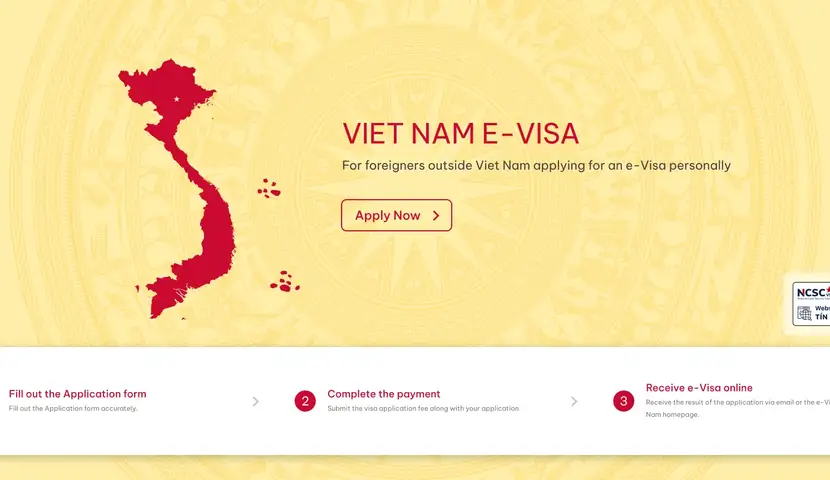
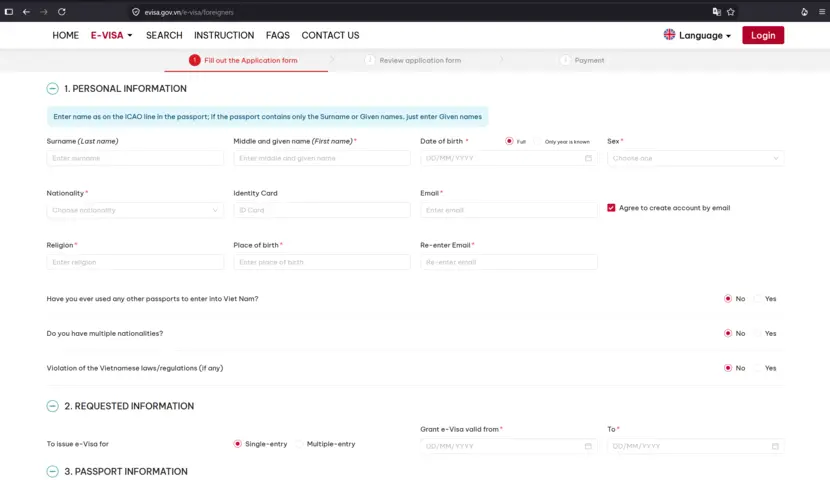
Step 2: Fill in your personal details and travel information accurately. The name on your application must match your passport exactly - this includes middle names, hyphens, and the ordering of names on passports from countries where family name comes first. Spelling errors, even minor ones, can cause problems at immigration and are not always fixable on the spot.
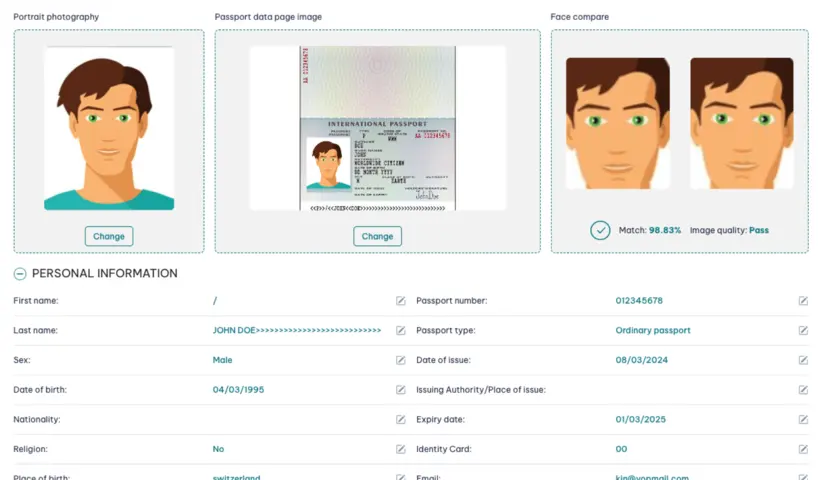
Step 3: Upload a passport-style photo and a clear scan of your passport bio page. Blurry or poorly cropped uploads are a common reason for delays, so take a moment to check both files before submitting.
Step 4: Pay the $25 USD fee by card. This is the government fee only - if you are being asked to pay significantly more at this stage, you are likely on a third-party site.
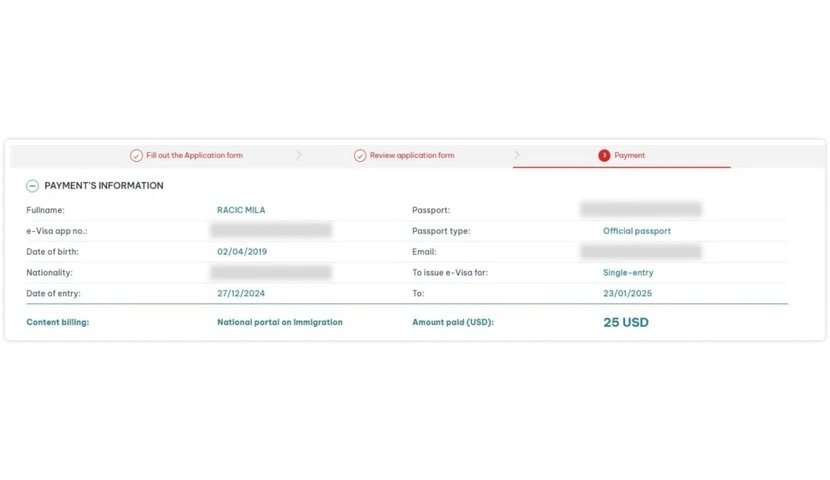
Step 5: Wait for approval. The standard processing time is around three business days, though it can occasionally take longer during busy periods. Apply at least one week before your travel date to give yourself adequate buffer. There is no reliable expedited option through the official portal, so do not leave this until the last minute.
Step 6: Download and save your e-visa once approved. Keep a digital copy on your phone and a printed version - some immigration counters in Vietnam still prefer to see a physical copy, and having both takes no effort.
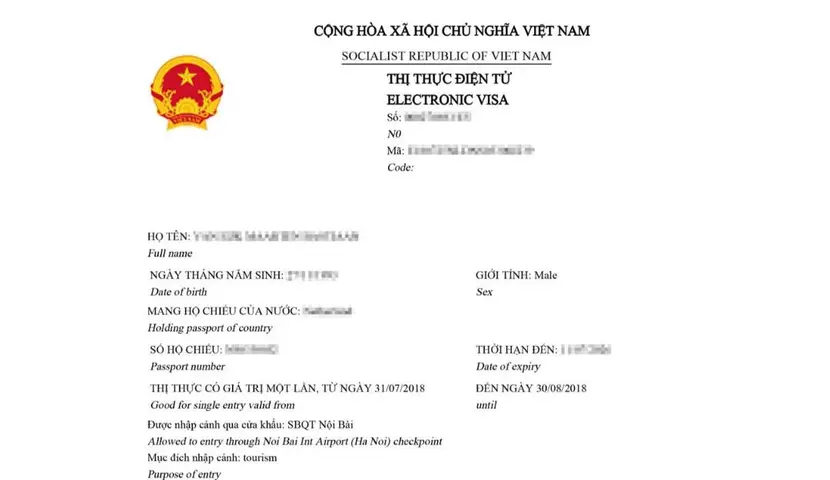
One thing to get right before you submit: the entry port listed on your application must match the actual airport or border crossing you arrive at. If you fly into Da Nang but your e-visa lists Ho Chi Minh City as the entry point, you will have a problem at immigration. If your travel plans change after you apply, you will need to submit a new application.
Your passport must be valid for at least six months beyond your intended date of entry - airlines may refuse boarding if it does not, so check well before you travel rather than at check-in.
If you plan to leave Vietnam and re-enter during the same trip - a common itinerary for travellers combining Vietnam with Laos or Cambodia - make sure you apply for a multiple-entry visa. A single-entry visa does not allow re-entry once you have left, even if you still have days remaining on it. Extensions are possible through immigration offices in-country if your plans change while you are in the country, but arranging the right duration from the start saves considerably more time and stress than sorting it out later.
Only use the official government portal at evisa.xuatnhapcanh.gov.vn. A number of third-party sites exist that charge considerably more for the same outcome. If you are being asked to pay more than $25, you are not on the right site.
When filling in your application, make sure the name you enter matches your passport exactly - middle names, hyphens, name ordering and all. Vietnam immigration checks this carefully, and even a minor discrepancy can slow things down at the counter.
Finally, do not overstay. Whether you entered on a visa or under an exemption, exceeding your allowed period results in fines and can affect your eligibility for future entry. Keep both a digital and printed copy of your visa for the same reason - a dead phone battery at immigration is not an excuse that moves the queue along.
For most travellers who need a visa, the e-visa is the right choice - inexpensive, applied for online, and accepted at the entry points the overwhelming majority of visitors use. The process takes a few minutes to complete and a few days to come back. Do it at least a week before you fly, get the details right, and it will not take up any more of your headspace than it should.
If you are unsure whether you need a visa at all, check your nationality against the current exemption list before doing anything else.
Related articles:
>> Vietnam Electronic Visa Guide Everything You Need to Know