



Ciao splendida Sole !
Abbiamo visionato il sito e l abbiamo trovato fatto molto bene e interessante, riteniamo che sia di facile comprensione e con tutte le...
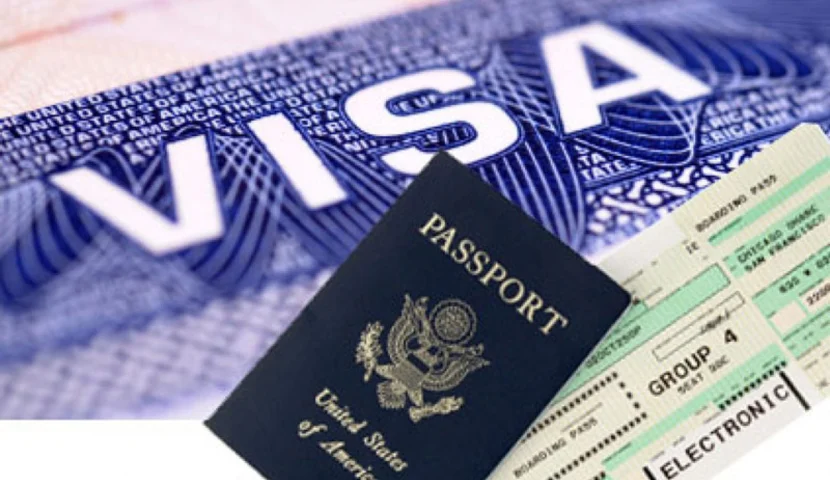
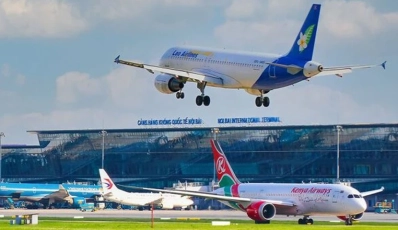
Vietnam's three major international airports - Noi Bai in Hanoi, Tan Son Nhat in Ho Chi Minh City, and Da Nang International - are increasingly serving as transit hubs for travellers moving across Southeast Asia and beyond. Whether you have a two-hour layover on your way to Bangkok or an overnight stop before continuing to Australia, the question of whether you need a visa for your time in Vietnam can be surprisingly tricky to untangle.
The honest answer is: it depends. Your nationality, the length of your layover and - crucially - whether you plan to leave the airport terminal all factor into the equation. This article breaks it down clearly so you arrive informed and avoid any unwelcome surprises at immigration.
Transit in Vietnam - Visa required or not?
1. Is Your Nationality Already Visa Exempt ?
2. Not on the List ? Here Is When You Will Need a Visa
3. How to Get a Vietnam Transit Visa ( If You Need One )
4. Practical Tips for a Smooth Transit
5. Conclusion
Here is some good news that many travellers overlook. You don't need a transit visa in Vietnam if your nationality is included in the Vietnam visa-free countries list. If your passport already grants you visa-free entry into Vietnam for tourism purposes, that same exemption covers you for transit - even if you are stepping out of the airport.
As of 2026, citizens of 38 countries can enter Vietnam without a visa, with stays ranging from 14 to 45 days depending on nationality. The list covers much of Europe - including the UK, France, Germany, Italy, Spain, the Nordic countries, and a dozen more European nations added in 2025 - as well as major Asian partners like Japan and South Korea, most ASEAN countries, and a handful of others. If you're unsure whether your passport is on the list, a quick search online will give you a definitive answer before you book.
If you hold a passport from any of these countries, you are free to leave the airport during your layover, explore the city, and re-enter without having arranged a visa in advance. Just make sure your passport has at least six months of validity remaining from your date of arrival.
A separate and very useful exemption applies to Phu Quoc Island: visitors from any country can enjoy visa-free entry to Phu Quoc for a maximum of 30 days, regardless of nationality, as long as Phu Quoc is their first destination in Vietnam and they arrive via Phu Quoc International Airport. So if your routing takes you through Phu Quoc on the way to a third country, you may be exempt from the usual requirements entirely.
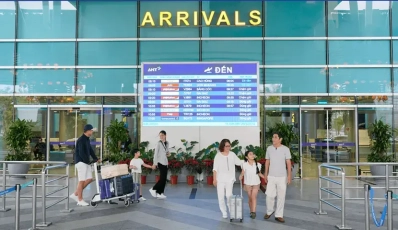
The key thing to understand is that Vietnam's immigration rules focus on whether you pass through the immigration booth - not simply how long your layover lasts. If your connecting flight is under 24 hours away and you have no reason to step outside the international terminal, you can sit in the departure lounge, grab a coffee, get some sleep, and board your next plane - all without a visa. No paperwork, no queues at the immigration counter.
There are three situations, however, that will force you through immigration:
Your layover exceeds 24 hours. Foreigners who stay in the Vietnam airport for over 24 hours and plan to leave the airport to sightsee around Vietnam must obtain a transit visa or tourist visa before doing so.
You need to collect your luggage and re-check it. This is the scenario that catches the most travellers off guard. If your luggage is not going through to your final destination and you need to leave the transit area to collect it and check in for your next flight, you will need a transit visa. Always check with your airline before departure whether your bags are checked all the way through to your final destination, or whether you will need to collect and re-check them at a Vietnamese airport.
You have a connecting domestic flight. If you fly into Ho Chi Minh City from overseas and then need a separate domestic flight to Da Nang, for example, you must pass through immigration - and therefore need a valid visa to enter Vietnam.
If your nationality is not on the visa-exemption list and you need to cross immigration during your layover, you have a few options to obtain the right documentation beforehand.
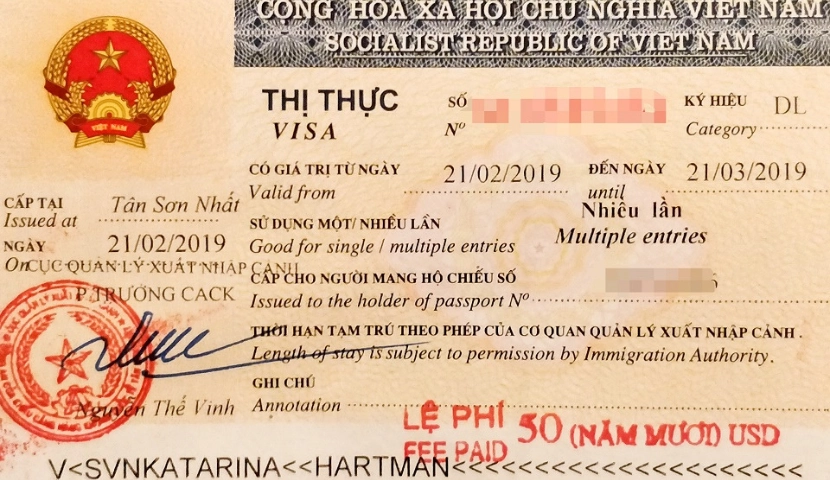
E-visa (recommended). According to the latest regulations, the Vietnam e-visa allows stays of up to 90 days with single or multiple entries. This visa is widely used by travellers who want to leave the airport during a long layover. You apply online, upload your photo and passport page, pay the fee (USD 25 for single entry), and wait around three to five working days for approval. This is the simplest and most straightforward route for most travellers - and the 90-day window means you are not cutting it close even if your plans change.
Visa through the embassy. The traditional option is to apply in person or by post at a Vietnamese embassy or consulate in your home country before departure. Processing time typically takes five to seven working days, so plan well in advance.
Visa on arrival. This option works only for air travellers and requires you to obtain a pre-approved letter online through a visa agency before you fly. You bring that letter to the airport in Vietnam, where the visa is stamped into your passport upon arrival. It is a legitimate process, though the approval letter fees vary by agency, and the stamping fee is USD 25, which must be paid in cash.
Whichever method you choose, apply before you fly. Trying to sort out a visa situation after landing is a stressful and time-consuming experience you do not want.
Check your baggage routing first. Before you leave home, confirm with your airline whether your bags are checked through to the final destination. A single conversation at check-in can save you from an unexpected immigration queue mid-journey.
Know your terminal. In Hanoi, domestic flights use Terminal 1 while international flights depart from Terminal 2. These are separate buildings connected by a shuttle bus, and switching between them means passing through immigration. In Ho Chi Minh City, the domestic and international terminals are closer together, but any terminal change involving a domestic connection still requires you to clear immigration.
Fill the pre-arrival form in advance. Foreign passengers entering Vietnam via Noi Bai, Da Nang, and Tan Son Nhat International Airport are required to complete an entry declaration either online at the official pre-arrival website or by scanning the QR code available at the airport. Getting this done ahead of time will save you a few minutes in the queue. Travellers who qualify for the visa exemption and are transiting to Phu Quoc through Tan Son Nhat are exempt from this requirement.
Give yourself adequate connection time. If you are connecting internationally to internationally, allow at least two to three hours. If you are switching between an international arrival and a domestic departure - which means going through immigration - give yourself at least three to five hours to be safe, particularly during peak travel periods.
When in doubt, get the e-visa. If there is any uncertainty about whether your layover requires you to cross immigration, the simplest insurance policy is to simply have a valid e-visa in hand. At USD 25 and a few minutes of online form-filling, it is cheap peace of mind.
Transiting through Vietnam does not have to be complicated, but the rules are specific enough that a little preparation goes a long way. If you are staying inside the international terminal for under 24 hours, and you need nothing at all. Any reason that takes you past the immigration booth requires either a visa or a visa-exempt passport.
Vietnam's door is genuinely opening wider for international visitors: more nationalities are being added to the visa-free list, the e-visa is available to almost everyone else, and the online process has become straightforward enough that there is little excuse for being caught unprepared. Check your passport's eligibility, confirm your baggage situation with your airline, and if necessary, file your e-visa application a week before you fly. After that, the transit takes care of itself - and you may even find yourself with enough time to step outside and see a little of the country on the way through.
Related articles: