
Ciao splendida Sole !
Abbiamo visionato il sito e l abbiamo trovato fatto molto bene e interessante, riteniamo che sia di facile comprensione e con tutte le...
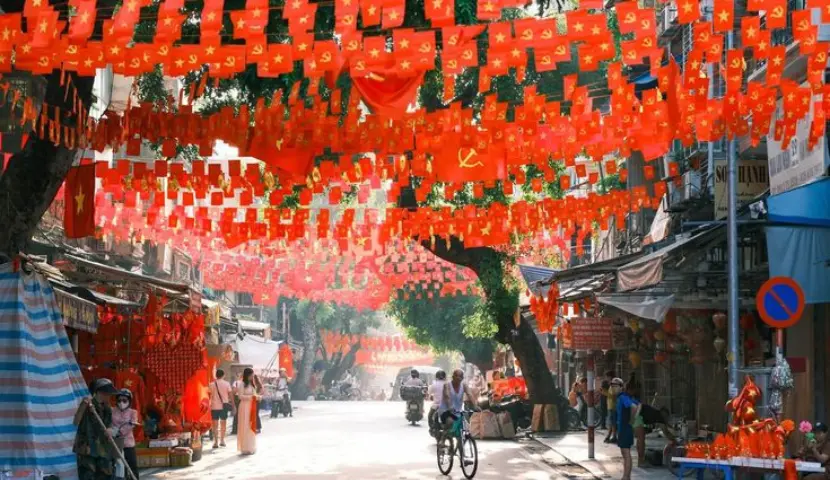
During these days, the final days of the twelfth lunar month in Vietnam come to a close, and the atmosphere changes. There isn’t any kind of sudden change: it’s just a morning in which you wake up to slightly fresher air, a few buds just starting to bloom on the branches, and you listen more to talk about the Lunar New Year in your conversations and plans. This is when the country's grandest festival truly comes about. So, what is the Vietnamese New Year actually? And to what extent is this holiday important to the Vietnamese? Let’s read until the end to truly feel the spirit of the traditional New Year in Vietnam.
Tet Holiday Vietnam
1. What is Tet ?
2. Why Tet Is So Special to Vietnamese People ?
3. From Preparation to Celebration
4. The Traditions That Make Tet Special
5. Things to Do and Avoid During Tet
6. Tet Far from Home
If you've ever looked it up online, you'll know that "Lunar New Year marks the beginning of a new year according to lunar calendars or, informally but commonly, to lunisolar calendars..." But that's in theory, so what is Tet like in reality?
It's true that the Lunar New Year originated in Asia, especially in Southeast Asian countries, but each country celebrates it differently. For Vietnamese people, it's not only the most important holiday of the year, marking the end of the old year and the beginning of the new, but also an opportunity for those far from home to return and reunite with their families, to rest and recharge, and to spend time with their grandparents and parents.
So, when does Tet officially begin? Tet begins when you see children on school holidays, the streets displaying and selling ornamental plants, or the markets bustling with goods. No one knows exactly when Tet begins, but when someone asks, "When do we get time off for Tet?" or "Have you bought your train/bus tickets home yet?", it means Tet is quietly approaching, subtly making its way through every alley and into every home.
Because during Tet, children don’t have to go to school, and adults don’t have to go to work. It is also a precious opportunity for those living far from home to return, temporarily setting aside the hustle and bustle of daily life and work to be with their grandparents and parents, sharing stories of the past year and wishing each other well in the new year. It's not just about reunion, but also a moment to strengthen family bonds, a time for each person to feel welcomed by those they love.
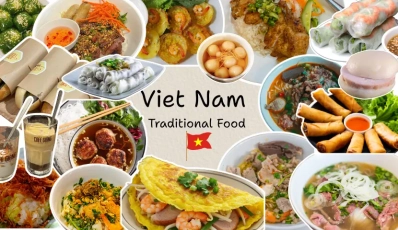
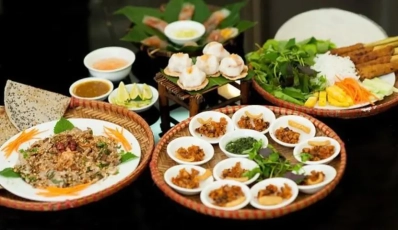
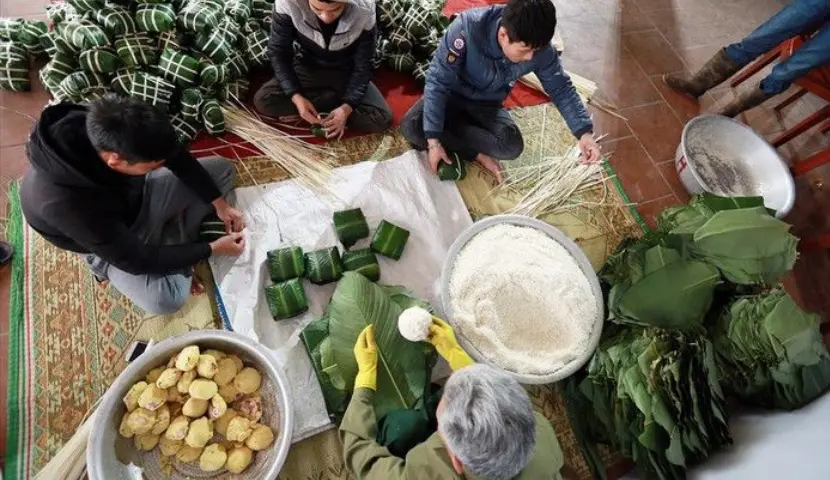
Because Tet is a time to enjoy many delicious, traditional dishes like banh chung, banh tet, braised pork, pickled onions... These dishes are not only delicious but also associated with customs and the special meaning of reunion and togetherness.
Because it holds the childhood memories of many generations of Vietnamese people. Childhood holds many of the most beautiful memories for everyone. It's the excitement of getting new clothes, going to the Tet market with parents, receiving lucky money even if it's just 2,000 or 5,000 VND. It's the steaming pot of bánh chưng (traditional Vietnamese rice cake) made by grandmother, and the moment of celebrating New Year's Eve with family. No matter how much time passes, these memories remain deeply etched in our minds, an indispensable part of each person's life.
Tet doesn't just happen in a few days. In fact, it begins many weeks beforehand, in a very natural way.
- About three weeks before Tet, the start of this festive period is marked by house cleaning, which Vietnamese people jokingly call "the time when everyone cleans their house." Everywhere you go, you see houses being meticulously cleaned, memories being rearranged, blankets, pillows, and curtains being washed, and houses being decorated... This is also like an excuse to close the chapter on the busy old year and prepare the space to welcome the new things to come.
- About two weeks before Tet, the atmosphere outside begins to change significantly. Markets become more crowded with countless goods: colorful red envelopes, sparkling LED lights, and potted plants displayed everywhere on the sidewalks, interspersed with pots of golden kumquats laden with fruit. The streets also begin to be brightly decorated, creating a bustling scene full of spring colors. The whole family goes shopping together for new clothes, sweets, food for Tet (Lunar New Year), and redecorating the house. All of this makes everyone feel excited and eager for the approaching spring.
- About a week before Tet, everything becomes busier than ever; everyone is busy preparing to welcome a truly complete and warm Tet. Spring music fills the air, and families gather in the evenings to wrap and cook bánh chưng, creating simple but meaningful memories. During this time, people also visit their ancestors’ graves, hold year-end gatherings, and celebrate traditions like sending the Kitchen God to heaven.
- The last two to three days before Tet are perhaps the most special time as people rush home from cities, filling bus and train stations like a great migration. Despite the crowds and long journeys, everyone eagerly returns to reunite with their families after a busy year. The moment they step into their warm, prepared homes, all fatigue fades, marking a meaningful transition into a new year full of togetherness and hope.
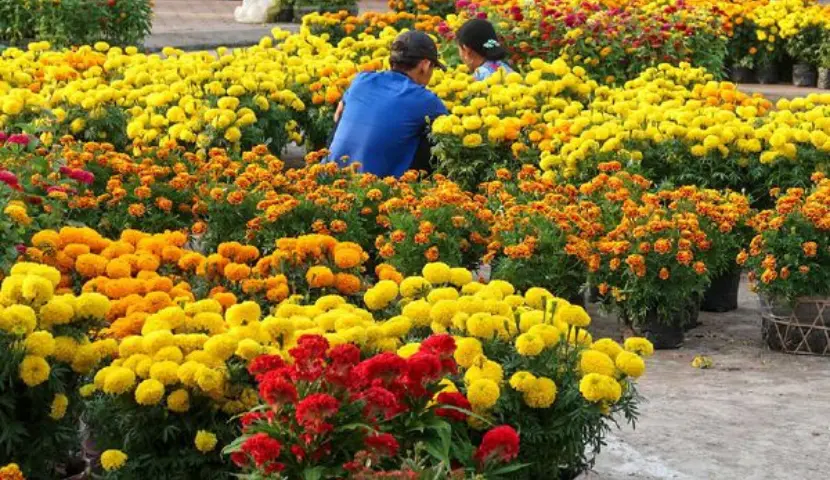
Tet is not just a national holiday; it is also a meaningful time that embodies countless traditional values cultivated over thousands of years.
- Traditional dishes: Tet cannot be without bánh chưng, bánh tét, braised pork, pickled onions… along with trays of Tet sweets and jams that are not only visually appealing but also symbolize reunion and good fortune in the new year.
- "Mâm ngũ quả" or the five-fruit tray : an indispensable part of Tet, the fruits chosen carry different meanings such as wealth, prosperity, peace, and good fortune. This is also a cultural feature and a hope of the Vietnamese people at the beginning of the new year.
- "Tiệc tất niên" or year-end party: it could be a warm meal with family, or a lively gathering with friends and colleagues, and is an opportunity for the whole family to sit together, enjoy familiar dishes, and ask each other a simple question: "How was this year?" People share stories of joys and things they couldn't accomplish in the past year in a quiet, peaceful tone. Everyone raises a glass to toast, expresses gratitude, and sometimes even offers gentle apologies for things that weren't perfect.
- "Đưa ông Táo về trời" or Kitchen Gods: every year on the 23rd day of the 12th lunar month, the kitchens of each household are filled with the fire of offerings to bid farewell to the Kitchen Gods as they ascend to heaven. People offer simple meals, release a few red carp, and send their prayers for a peaceful and prosperous new year.
- "Đêm giao thừa" or New Year's Eve: this is the most special moment of the year. As the clock ticks towards midnight, the surrounding space suddenly becomes very quiet and peaceful. Families set up offerings outdoors and indoors, light incense sticks, and wait for the fireworks to explode. Amidst the warm, fragrant smoke of incense, the moment of transition between the old year and the new year carries an extremely sacred meaning, where all worries cease, giving way to reverence and hope.
- "Xông đất" or first-footing: Vietnamese people usually choose someone cheerful and whose zodiac sign is compatible to "first-foot," hoping that person will bring good luck, fortune, and smooth sailing to the household for the next 365 days.
- "Lì xì" or lucky money: children eagerly receive bright red lucky money envelopes with wishes for good health and rapid growth, while adults wish each other health, peace, and good fortune.
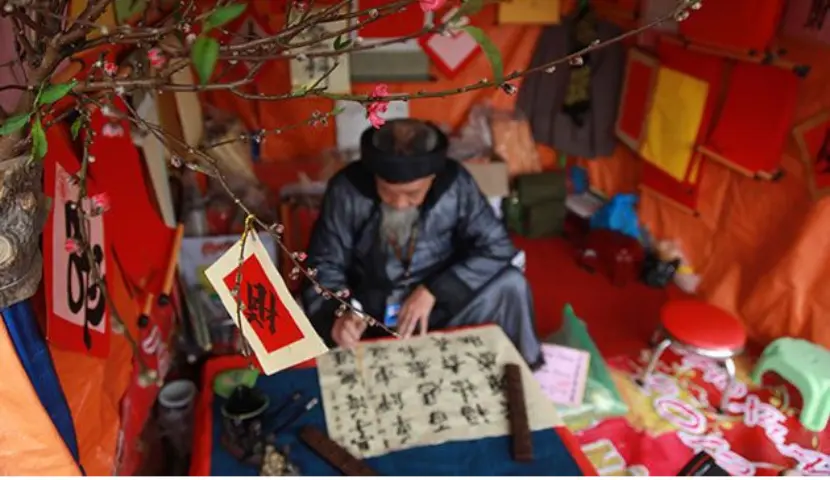
- "Xin chữ" or asking for calligraphy is an indispensable cultural tradition during Tet (Vietnamese New Year). The image of an old calligrapher, ink, and red paper has become a familiar symbol for Vietnamese people; each character given represents hope for a peaceful, lucky, and successful new year.
Things that bring good luck:
Things to avoid warding off bad luck:
Not only in Vietnam, but Vietnamese people all over the world still preserve and celebrate a very Vietnamese Tet. Although the atmosphere may not be as complete as in their homeland, the feelings for Tet remain intact. Despite being thousands of kilometers away from Vietnam, Vietnamese people living abroad still strive to celebrate Tet, preparing banh chung and banh tet (traditional rice cakes), decorating their homes, and wearing áo dài (traditional Vietnamese dress) to welcome the new year. For them, Tet is not just a holiday but also a deep longing for home, a bond connecting them to their national roots.
Tet is not just a holiday to "celebrate." It is a part of life, of memories, of how each person connects with family and with themselves. Perhaps each year you will experience Tet differently. But no matter what, there will always be one thing in common: the feeling of returning home. And perhaps, after all, Tet is not something far away. It is simply the place where one's heart finds the most peace.
Related articles: