


Ciao splendida Sole !
Abbiamo visionato il sito e l abbiamo trovato fatto molto bene e interessante, riteniamo che sia di facile comprensione e con tutte le...
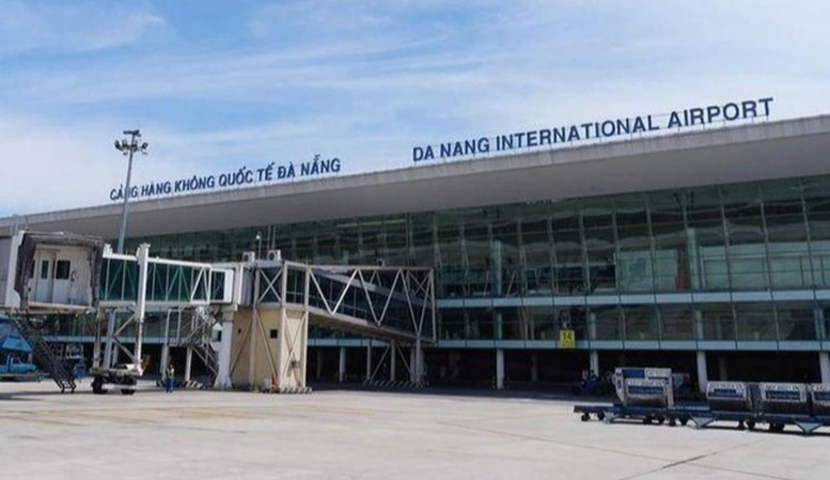
Da Nang sits at the center of Vietnam, right after Bach Ma Mountain range splits the country in half. While the city itself is interesting and a sight to see, it can also functions as the starting point for a central Vietnam trip. Da Nang is near two cultural and travel hotspots of the country: Hoi An, about 27 kilometers to the south, and Hue, roughly 90 kilometers north . Da Nang International Airport (DAD) handles its role as central Vietnam’s airway hub well. This guide will help you move through it without unnecessary friction.
Da Nang International airport guide
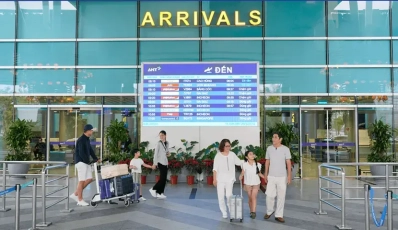
Da Nang International Airport has two terminals: Terminal 1 handles domestic flights and Terminal 2 handles international ones. Passengers making a connection that requires a terminal change need to exit the arrivals hall and walk to the other terminal through a covered corridor - the walk takes no more than five minutes and the route is clearly signed.
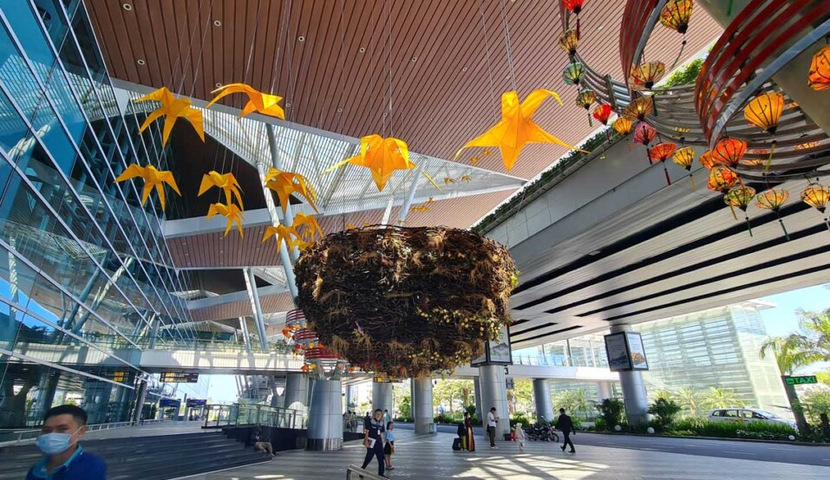
The international terminal T2 has held a 5-star Skytrax rating for two consecutive years - an attest to the terminal’s quality of service. The building is modern and equipped with a range of lounges - nine in total across both terminals, with most currently open - including the CIP Orchid Lounges in the international terminal, which are the most accessible option for travelers without business class tickets or qualifying cards. Shower facilities are available in the Orchid Lounges, which is worth noting if you are arriving on a red-eye and have a full day ahead.

Inside the terminals you will find cafes, restaurants, duty-free and souvenir shops, ATMs, and currency exchange counters. Free Wi-Fi is available throughout the airport, though the signal can be patchy in busier areas. If you are not immediately heading to a lodging, luggage storage is available on the ground floor of the international arrivals building - not in the main terminal structure itself, but in an annex across the drop-off road with a glass facade; the information desk can direct you if it is not immediately obvious.
Da Nang is the third-largest airport in Vietnam and receives more than 14 direct international routes, including flights from Hong Kong, Tokyo, Kuala Lumpur, Macau, and Beijing. South Korean and Chinese carriers are particularly well represented, and the airport sees significant traffic from both countries. If you are flying from Europe, the Americas, or Australia, you will most likely be connecting through Hanoi or Ho Chi Minh City first, though the range of direct regional connections means Da Nang is more genuinely international than many airports of its size in the country.
Visa requirements vary by nationality. Some nationalities can enter Vietnam without a visa for shorter stays; others will need to arrange one in advance so it is recommended to check your status to cut down on any complications. The e-visa - valid for up to 90 days and applied for online at evisa.xuatnhapcanh.gov.vn - is the most practical route for most visitors. Make sure the entry port listed on your application matches your flight into Da Nang before you submit it, you don’t want to find a mistake at immigration.
Baggage claim in the international terminal is generally efficient. As with any Vietnamese airport, be alert to the fact that new electronics still in their original packaging can draw attention at customs, as officers may flag items that appear to have been brought in for resale. Removing new personal devices from their boxes before you fly is a simple precaution that tends to make the customs process faster.
Both terminals of the Da Nang Airport have currency exchange counters in the arrivals and public halls. These are operated by banks including Vietinbank, Vietcombank, and VPBank. Another option is withdrawing dong from an ATM on arrival, however this may cost you transaction fees and the rates may not be as favorable. As cash is still the default at Da Nang's street food stalls, local markets, and the smaller restaurants in the old neighborhoods back from the beachfront, arriving with a reasonable amount in hand is recommended.
For mobile connectivity, SIM cards are available inside both terminals, though the counters get busy when several flights arrive at once. Picking up a Vietnam eSIM before you travel is a practical alternative - you will have data working from the moment you land, which is particularly useful given that you will likely be relying on maps and ride-hailing apps almost immediately.
The drive from Da Nang Airport to the city center typically takes between 10 and 15 minutes. This is one of the shorter airport-to-city distances in Vietnam, as the airport sits only about four kilometers from the center. For travelers heading straight to Hoi An, the journey can last around 30 to 45 minutes depending on traffic.
Recognized taxi companies operating at the airport include Mai Linh, Vinasun, and Tien Sa. When hailing a taxi directly at the airport, look for clearly marked vehicles at the official taxi stand outside arrivals, confirm the meter is running before you set off. You should avoid any driver without uniform who approaches you inside the terminal building. Taxi fares to the city center run approximately from 80,000 to 120,000 VND. For a trip to Hoi An, expect to pay around 250,000 to 350,000 VND depending on the company and time of day.
Ride-hailing services like Grab and Be are available at Da Nang Airport, but require a small amount of navigation. The Grab pickup area for the international terminal is at Lanes 1 or 2 outside the arrivals exit - not the same location as the regular taxi stand. There are usually staff in green shirts who can point you in the right direction. One caution worth noting: there have been reports of unofficial drivers near the green umbrellas posing as Grab drivers and attempting to intercept passengers. Book your ride in the app first, confirm the license plate and driver's name before you get in, and do not hand your phone to anyone who asks to see it.
Hotel shuttles are offered by many of the larger resorts along the My Khe beachfront strip and in Hoi An, and are worth asking about at the time of booking. They vary in price and some properties include them in the room rate, so it can be a convenient option.
When departing, the standard recommendation is to arrive at least two hours before a domestic flight and three hours before an international one. Da Nang is a busy airport and departure queues can build noticeably during peak holiday periods, particularly around Tet and the summer beach season when the city fills with both domestic and international visitors.
Most carriers serving Da Nang Airport, including Vietnam Airlines and VietJet offers online check-in 24 hours before your flight. Completing check-in in advance and traveling with carry-on luggage only lets you move straight to security, which can save you time on busy mornings. At the checkpoint, laptops and large power banks need to come out of your bag, and belts and shoes may be asked for separately - keeping those items accessible rather than buried in your pack will move things along faster.
Currently, Vietnam's tax refund scheme for foreign visitors currently operates only through Noi Bai in Hanoi and Tan Son Nhat in Ho Chi Minh City. If you have made qualifying purchases in Da Nang or Hoi An and plan to claim a refund, you will need to route your departure through one of those two airports.
All things considered, Da Nang Airport is one of the more pleasant entry points into Vietnam - surprisingly well-equipped for a city that sits outside the two main economic hubs. It is close to everything you need, the facilities are solid, and it connects well with the rest of the region. Take care of your visa and connectivity before you fly, note the Grab pickup spot, and you are essentially done - the rest is just the trip itself.
Related articles: