

Ciao splendida Sole !
Abbiamo visionato il sito e l abbiamo trovato fatto molto bene e interessante, riteniamo che sia di facile comprensione e con tutte le...
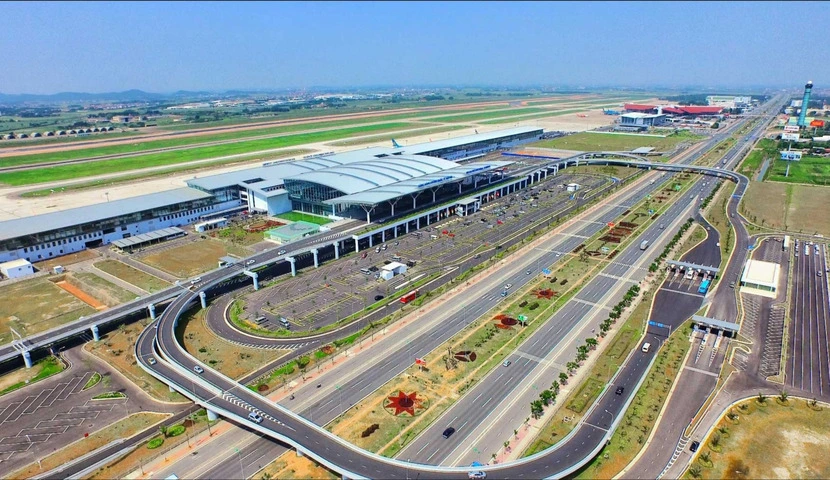
For most visitors to Hanoi, the journey into Vietnam's capital begins at Noi Bai International Airport (HAN). Located in the Soc Son district, roughly 27 to 35 kilometers north of the city center, Noi Bai is a considerably larger and busier airport than many travelers expect - it is the second busiest in the country, handling tens of millions of passengers each year. That said, with a little preparation, arrivals here are manageable, and the airport is well-organized enough that you should be on your way to the city without too much difficulty.
This guide covers the key things to know before arriving at Noi Bai, from visas and immigration to transport options and connectivity.
Noi Bai International airport guide
1. Terminals and Facilities
2. Visa, Immigration and Baggage
3. Getting Cash and Mobile Data
4. Getting to Hanoi from the Airport
5. Departing from Noi Bai
Noi Bai has two terminals - Terminal 1 (T1) for domestic flights and Terminal 2 (T2) for international arrivals and departures. T2, which opened in 2015, is the more modern of the two and handles most of what international travellers will encounter. The two terminals are not directly connected by a walkway, but a free electric shuttle bus runs regularly between them. If you are transferring between a domestic and international flight, allow yourself at least 90 minutes between connections to account for immigration, security, and the terminal transfer.
Inside T2, you will find a selection of cafes, restaurants, and duty-free shops, along with currency exchange counters, ATMs, and retail outlets selling local products and souvenirs. The dining options on the departure level are better than the arrivals area, so if you are killing time before a flight, the third floor is worth exploring. When you arrive, grab something to eat in the city rather than linger at the airport for a truly authentic experience of Hanoian cuisine.
T1 is more functional than comfortable by comparison, serving primarily domestic carriers such as Vietnam Airlines, VietJet Air, and Bamboo Airways. The facilities are adequate for a short wait, though the terminal can get congested during peak travel periods such as Tet and the summer months.
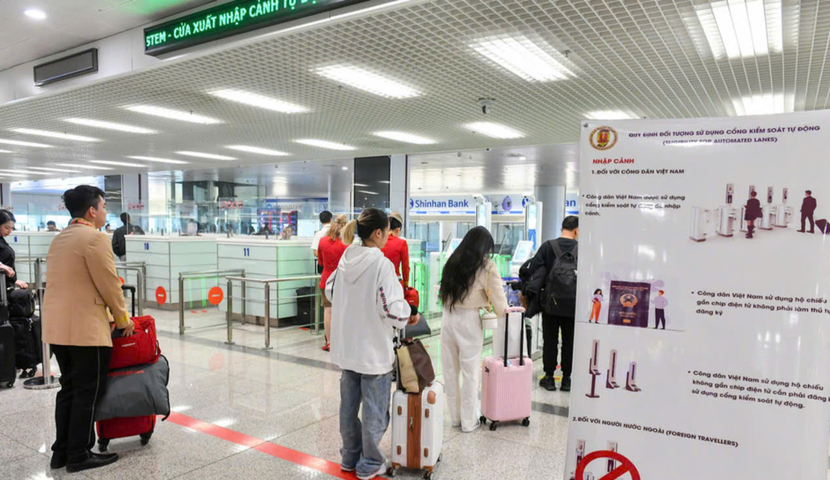
Noi Bai serves an extensive network of international routes, connecting Hanoi to destinations across Asia, Europe, and beyond. Because of this, the immigration hall in T2 for international arrivals can get busy, particularly during peak morning and evening waves. Having your documents prepared before you join the queue will make the process noticeably smoother.
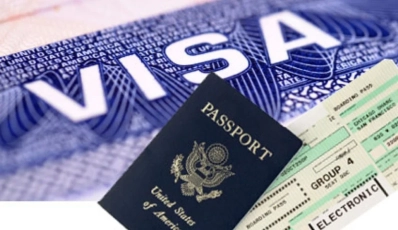
Vietnam’s entry requirements vary by nationality, so travellers should check which category they fall under before booking their trip. Citizens of more than 30 countries can currently enter Vietnam visa-free for stays ranging from 14 to 45 days, depending on their passport and country of origin. For travelers who do require one, the e-visa - which allows stays of up to 90 days - remains the most convenient option. Applications are submitted online through the official government portal at evisa.xuatnhapcanh.gov.vn Processing typically takes around three days, though you may be asked to supplement your application with additional information, so apply well in advance rather than leave it until the week before you travel. No matter which type of visa you use, you should ensure the port of entry listed on your application matches your flight to Noi Bai, as a mismatch may cause unnecessary complications at the immigration counter.
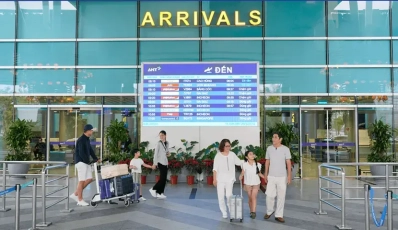
Baggage claim is on the ground floor of T2 and is clearly signposted. Wait times are generally reasonable, though the carousels can be crowded when multiple wide-body flights arrive at the same time. Baggage trolleys are available and free to use, which is worth knowing if you are arriving with heavier luggage. As with most Vietnamese airports, customs officers may pay attention to items that appear new and boxed, as they can be mistaken for goods brought in for resale. If you are carrying new electronics for personal use, removing them from their packaging before you fly is a simple way to avoid a difficult conversation at the customs desk.
Currency exchange counters are available both in the arrivals hall and airside, though airport rates are rarely competitive. If you have the option of exchanging money before you travel or withdrawing cash from an ATM on arrival, either is preferable. ATMs from Vietcombank, Agribank, and other major Vietnamese banks are available in both terminals - just factor in that international card withdrawal fees will likely apply.
Vietnam's larger cities are increasingly cashless, and most hotels, restaurants, and shops in Hanoi will accept cards without issue. That said, cash remains essential for street food, local markets, and smaller vendors, so withdrawing a reasonable amount on arrival will save you the inconvenience once you are in the city.
SIM card kiosks from Viettel, Mobifone, and Vinaphone are available in the T2 arrivals area and offer affordable tourist packages with solid data allowances. Lines can move slowly during peak arrival times, so if you would rather avoid the wait, purchasing a Vietnam eSIM before you travel is the simpler option - it gives you data from the moment you land, with no queuing required. For travelers planning to venture beyond Hanoi into more rural areas of the north, Viettel is the recommended choice for network coverage.
Free Wi-Fi is available throughout both terminals under the network name "NOI BAI AIRPORT FREE WIFI," though internet speed can be unreliable during busy periods. If you need a more reliable connection immediately upon landing, opting for a local SIM or eSIM would be worth the small investment.
The distance from Noi Bai to Hanoi city center is roughly 27 to 35 kilometers depending on your destination, and the journey typically takes between 30 and 60 minutes under normal conditions. During rush hours - broadly 7 to 9 in the morning and 4 to 7 in the evening - the roads into the city can be pretty congested, so factor in extra time if your arrival coincides with those windows. There are several reliable ways to make the trip:
Ride-hailing apps like Grab or Be are the most practical option for a majority of travelers, as both offer transparent, upfront pricing with accessible English-language interfaces. Download your preferred app before you land and link your payment card so you are less reliant on cash. Once you have booked, match the car model and license plate shown in the app to the driver’s vehicle before you get in. Something worth noting is that pickup points are designated areas outside the terminal. If you are unsure of where to wait, you should follow the signs or ask airport staff.
Airport taxis are available outside the arrivals hall of both terminals, with branded booths and staff on hand to assist. Reputable companies to look out for include Mai Linh, Airport Taxi (NASCO), G7 and Xanh SM - all operate metered services and are generally reliable. Confirm that the meter is running before the journey begins. Avoid drivers who approach you inside the terminal or offer a fixed price before you have had a chance to compare - this is a common setup for inflated fares, and using a known provider removes that risk.
Private transfers arranged through your accommodation or a tour operator offer the most straightforward door-to-door experience, especially if you are arriving late, traveling with a group, or simply want to start your trip without the hassle of negotiating transport after a long flight. Rates are typically fixed in advance, so there are no surprises on arrival. Consulting multiple options before booking is recommended, as pricing varies widely among private transfers from Noi Bai.
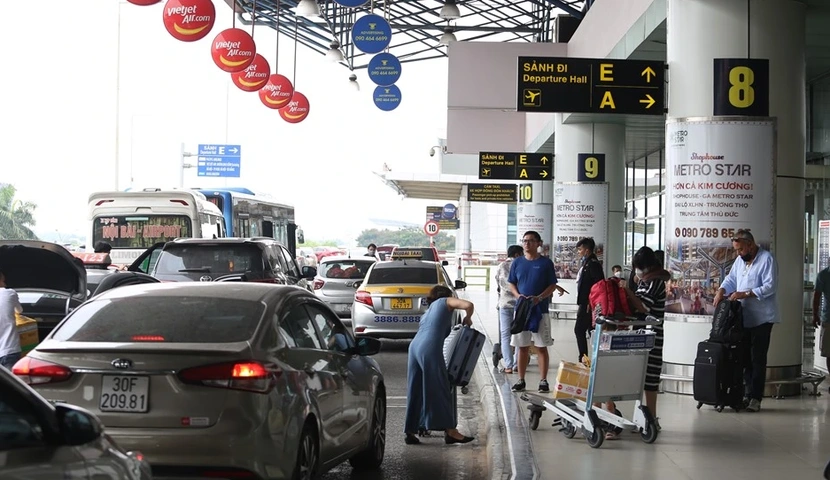
Noi Bai can get busy, and the departure process benefits from a little patience and good timing. Aim to arrive at least two hours before a domestic flight and three hours before an international one. The check-in hall on the third floor of T2 has 96 counters, and self-check-in kiosks are available for Vietnam Airlines and VietJet passengers. Online check-in is offered by most carriers operating out of Noi Bai and is worth completing 24 hours before your flight - if you are traveling with only carry-on luggage, it allows you to head straight to security and skip the queues entirely. If you have checked bags, the bag drop counter is typically faster than the standard check-in line.
Security and immigration in T2 can become congested during the morning and evening peaks, between 6 and 9 AM and 5 and 8 PM, respectively. If your flight falls within those windows, factor in extra time. At the security checkpoint, laptops and large power banks need to come out of your bag, and you may be asked to remove your belt and shoes - keeping these items easily accessible saves time and keeps the line moving.
Duty-free shops and a reasonable selection of cafes and restaurants are available on the departure level once you are through security, making the wait before boarding more comfortable than the arrivals experience might suggest.
Overall, Noi Bai is a functional and manageable airport that reflects Hanoi's growing role as a major destination in Southeast Asia. The key to a smooth experience - as with most airports in Vietnam - is sorting your visa, transport apps, and SIM card before you land, so that the practicalities are already handled and you can focus on the adventure waiting for you on the other side.
Related articles:
>> Best time to visit and travel Hanoi