
Ciao splendida Sole !
Abbiamo visionato il sito e l abbiamo trovato fatto molto bene e interessante, riteniamo che sia di facile comprensione e con tutte le...
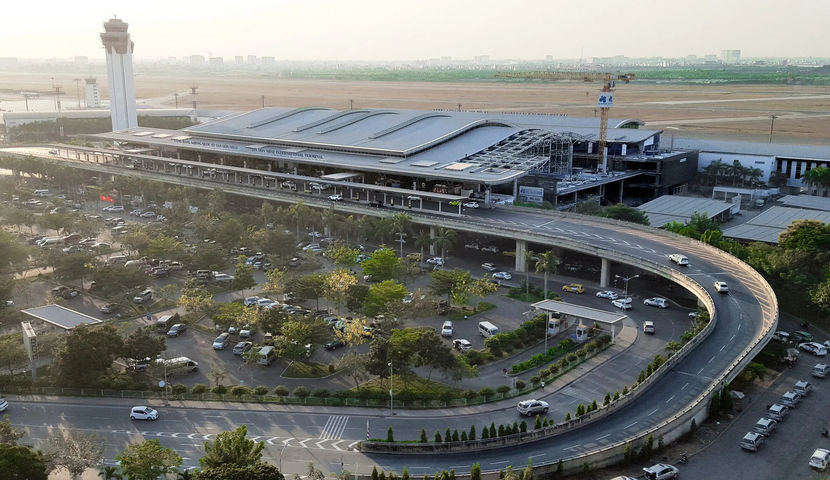
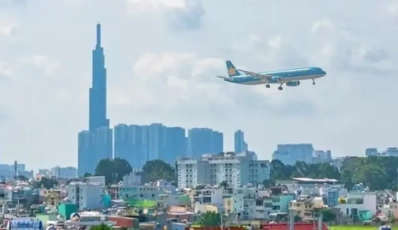
Ho Chi Minh City is Vietnam's commercial capital and its most visited city and Tan Son Nhat International Airport (SGN) is where most journeys into it begin. At just 7 kilometers from District 1, it is one of the rare major airports in the region that is located close to the city center - a real advantage after a long flight. It is also Vietnam's largest and busiest airport, connecting Saigon to destinations across Asia and beyond, which means it operates under the kind of pressure that needs a little preparation. Knowing what to expect before you land will make the difference between a smooth arrival and a frustrating one.
Tan Son Nhat International Airport Guide
Tan Son Nhat has three operating terminals: the domestic Terminal T1, the international Terminal T2, and the newer domestic Terminal T3. The size of the airport means that understanding which terminal your flight uses before you arrive or depart is a lot more important here compared to smaller airports.
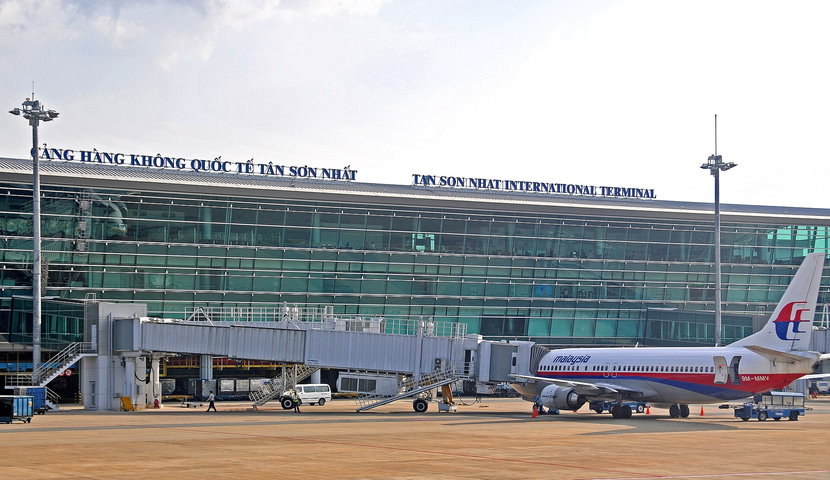
T1 and T2 stand side by side along Trường Sơn Street, connected by a covered pedestrian walkway that makes the transit between them a quick five-to-ten-minute walk. T2 is the exclusive gateway for all international arrivals and departures, handling every foreign airline and the international network of Vietnamese carriers. T2 is newer and airier, with large glass walls overlooking the runways.
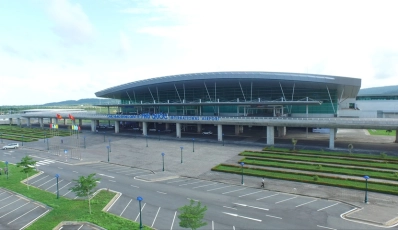
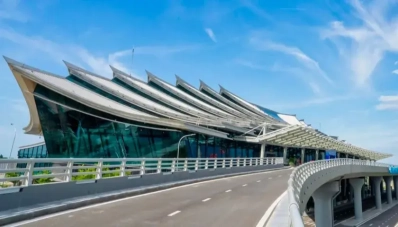
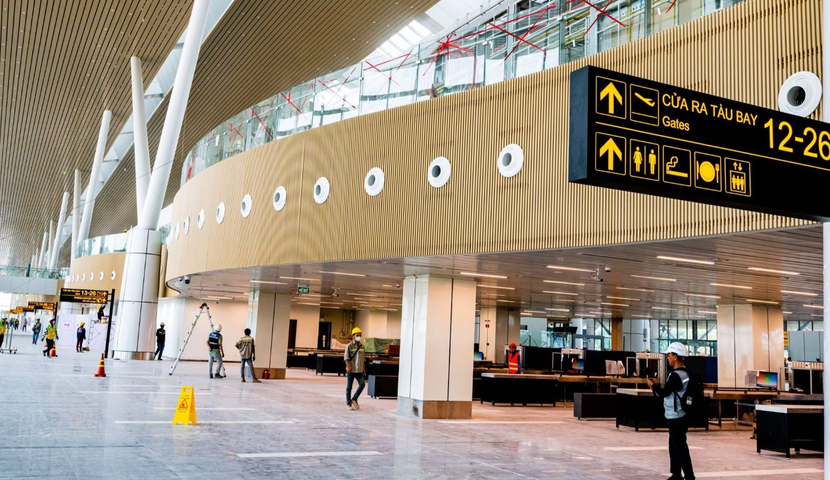
T3 was freshly opened in April 2025 and was designed to take in domestic flights to relieve congestion for T1. Its standout feature is a sweeping curved roof inspired by the Vietnamese ao dai, and the terminal is equipped with both traditional and self-service check-in options. However, T3 is situated in an entirely separate zone and is not within practical walking distance of T1 or T2. Any transfer between T3 and the other terminals requires passengers to exit the airport and take a taxi or ride-hailing car - a process that can consume considerable time, especially during Ho Chi Minh City's infamous traffic peaks. If your itinerary involves a domestic connection, confirm your terminal in advance.
Inside T2 serving international flights, the Apricot Lounge and Lotus Lounge offers shower facilities in addition to standard amenities. A children's play area is also available near gates 21 and 22 in the T2 departure hall for people traveling with family. Luggage storage is available at columns 13 and 14 on the T2 ground floor, operating from 7:00 to 23:00 for travelers with layovers who wish to explore the city.
Vietnam's entry requirements vary by nationality, so it is worth checking your status before you book a flight. Many nationalities can enter without a visa for shorter stays, while those who do need one will find the e-visa - valid for up to 90 days and applied for online at evisa.xuatnhapcanh.gov.vn - the most straightforward option. Whichever route applies to you, double-check that the entry port on any visa application matches your flight into Ho Chi Minh City.
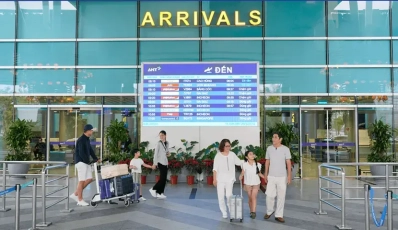
Expect longer queues during peak hours at immigration, particularly in the afternoons and on weekends. If you are arriving during busy periods, prepare to practice your patience. Once through, baggage claim is clearly signposted and trolleys are available free of charge. If you are traveling with valuable electronics that appear new and boxed, be aware that customs officers may flag them as goods brought in for resale - so unboxing anything you plan to declare as personal use before you fly is a simple way to avoid a stop at the customs desk.
Currency exchange counters are available in both the departure and arrival halls of the international terminal. Tan Son Nhat also has plenty of ATMs operated by various banks, including Vietcombank, Vietinbank, BIDV, ANZ, CitiBank, and Shinhan Bank. In the international terminal, you will find five ATMs near columns 14 and 3. Airport exchange rates are rarely the most competitive you will find in the city, but withdrawing a reasonable amount of Vietnamese dong on arrival saves the trouble of hunting for a bank later. Cash remains useful at local markets, street food stalls, and smaller restaurants throughout Ho Chi Minh City, even as cashless payment continues to expand.
For immediate connection, SIM cards are available at the airport, but the booths can be crowded during peak arrival times. Buying a Vietnam eSIM before you travel is the simpler option - it gives you data from the moment you land, which is particularly useful for setting up a ride-hailing app before you explore the city.
The journey from the airport to District 1 takes anywhere from 20 to 40 minutes, depending on traffic conditions. Although the airport is close to the city centre, Ho Chi Minh City traffic can be unpredictable, especially during rush hour. There are several reliable ways to make the trip.
Ride-hailing apps are the most reasonable option for most travelers. Grab, Be, and Xanh SM all operate in the area, is available in English and offer pre-determined, transparent pricing. Download the app before you land and add your payment card - this avoids the need for cash and avoids the confusion of negotiating a fare after a long flight. Before getting into your ride, check that the car model and license plate match what the app shows.
Airport taxis are available outside T1 and T2. Mai Linh and Vinasun are amongst the trusted brands. Taxi fares to District 1 typically runs between 200,000 and 250,000 VND. Make sure that the driver uses the meter before you set off. Upon exiting the arrivals hall, you will encounter drivers offering you a taxi - be alert and avoid unmarked vehicles or anyone who approaches you inside the terminal.
If you are in for an adventure from the get go, public bus route 109 and 152 runs from the airport to District 1. The bus is air-conditioned and operates every half hour from early morning to late at night. The buses only cost 6,000 - 15,000 VND, less than $1 per person, with tickets purchasable on board or from the dedicated booth in the arrivals area. The journey takes around 45 minutes to an hour in normal traffic. It is worth considering if you are budget-conscious and not pressed for time, though it is less practical if you are traveling with bulky luggage.
Your hotel or tour operator can also arrange a pickup service for you. This service is usually fixed-rate and door-to-door, and it is often the most convenient choice if you are arriving late, traveling with a big group, or simply want to avoid making decisions after a long journey. You should check the pricing in advance, as pricing can vary significantly between providers.
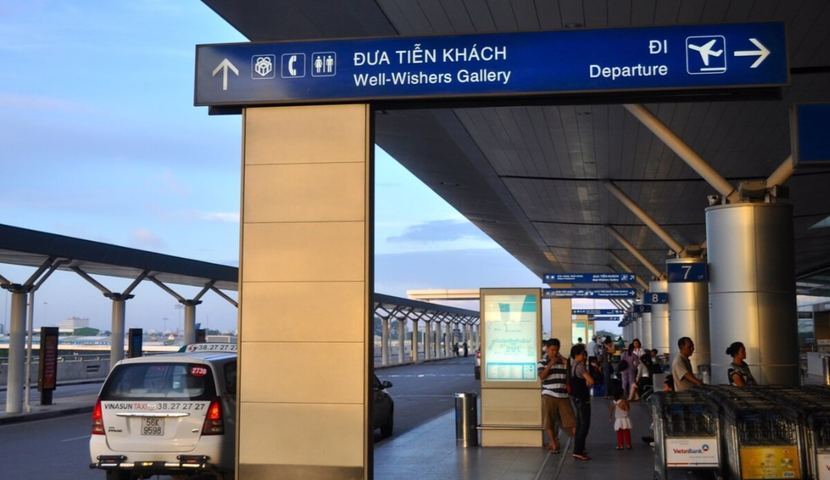
You should arrive at least two hours before a domestic flight and three hours before an international one. This is to allow you enough time for queues during check-in, security and immigration, especially during busy periods, which Tan Son Nhat has a lot of.
Online check-in is available with most carriers, including Vietnam Airlines and VietJet, and completing it in advance lets you skip the check-in desk entirely if you are traveling with carry-on only. At security, laptops and large power banks need to come out of your bag, and belts and shoes may need to be removed - keeping these accessible in your carry-on saves time at the checkpoint.
Foreign nationals who paid VAT on goods during their trip and wish to claim a refund can do so near gates 6 to 9 on the second floor of the international terminal. Bring your original receipts, the goods themselves, and your passport and boarding pass. Allow extra time for this step - it is easy to underestimate how long it takes when queues are forming.
Tan Son Nhat is a busy hub, but it becomes a lot more comfortable with preparation. Before your trip, confirm which terminal your flight uses, arrange your visa and mobile connectivity in advance, and download a ride-hailing app before landing. Those simple steps can make your arrival far smoother - leaving you more time and energy to enjoy Vietnam beyond the airport.
Related articles: